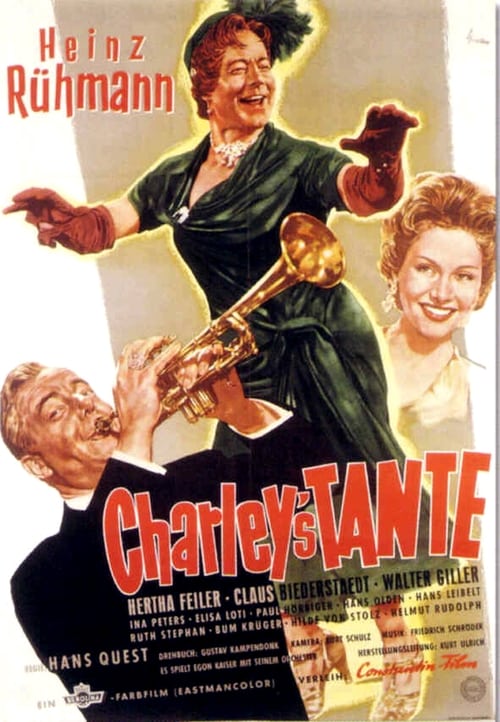
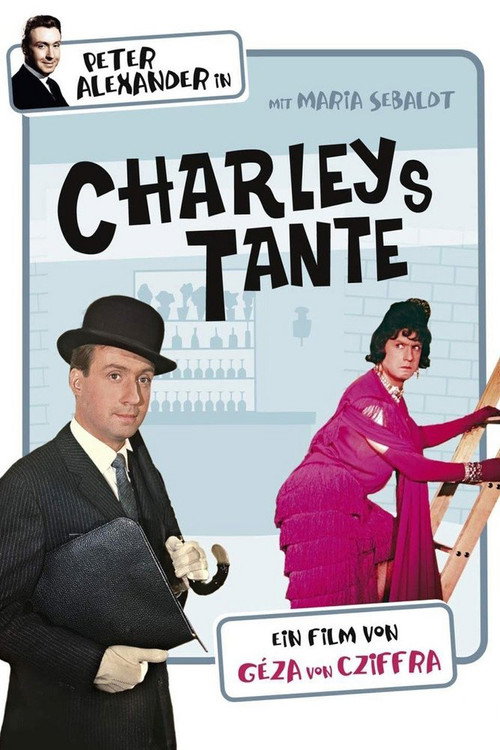
Charley's Aunt
1956
No user ratings available yet
Representation score: 2.3 out of 10
Representation Score
Minimal
1963
Director
Géza von Cziffra
Runtime
90 minutes
Average Rating
No ratings yetNew Showbiz Analysis
Charley's Aunt is a traditional farce that prioritizes situational irony and comedic timing over social commentary. While the central conceit involves gender performance, it remains firmly rooted in a straight-centered framework designed for laughs rather than identity exploration. The film reflects the era's standard production norms, presenting a homogeneous cast and a focus on established social hierarchies. It operates as a period-based diversion that avoids challenging the cultural status quo. Ultimately, the work functions as a product of its specific historical context, utilizing gender-bending as a structural device rather than a tool for progressive representation.
Category Breakdown
The film uses cross-dressing as a comedic tool rather than to explore identity. A man's impersonation of a woman helps advance a heterosexual romance, avoiding deeper questions about gender norms.
Gender roles are exaggerated for comedic effect within a classic farce structure. The plot centers on male characters navigating social complications, maintaining traditional hierarchies.
The production features a homogeneous cast typical of 1960s Austrian comedy. There is no evidence of diverse ethnic perspectives or color-blind casting in this regional genre piece.
The narrative emphasizes middle-class etiquette and social decorum. It serves as a lighthearted diversion without engaging in critiques of Western institutions or traditional family structures.
There is no visible evidence regarding the depiction of physical or neurodivergent disabilities in this film.
Present on Screen
Limited or Absent
Official Synopsis
An Austrian version of the famous farce Charley's Aunt. A man impersonates his own aunt.
1956
1952
1973
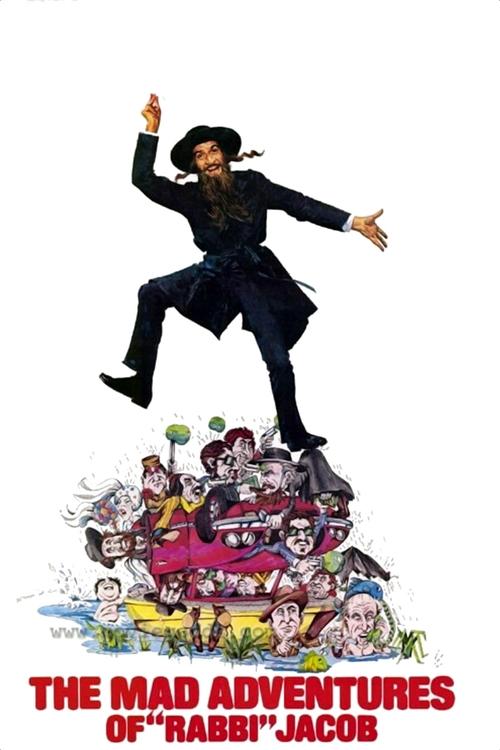
1973
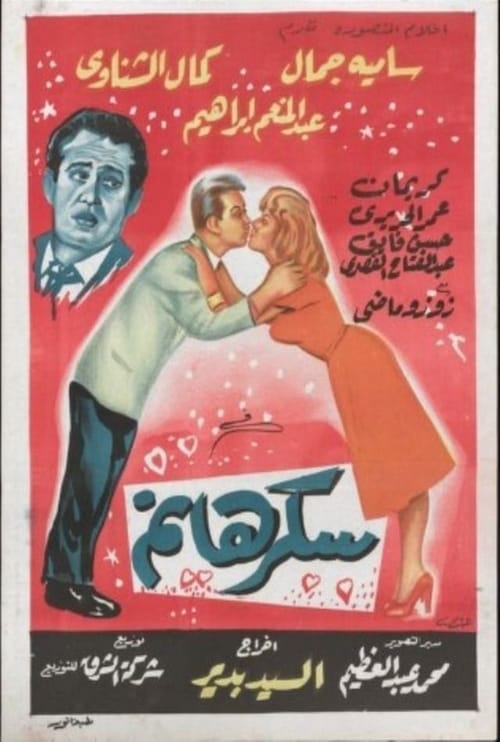
1960
1950
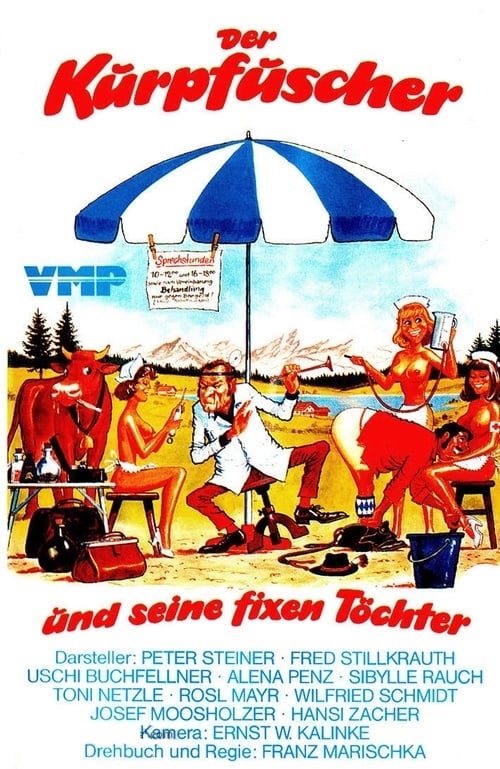
1980
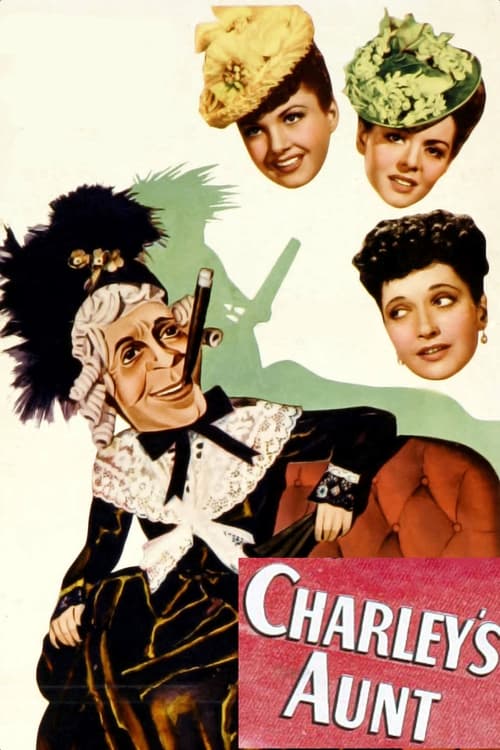
1941
No reviews yet. Be the first to share your thoughts on this movie!
Use the rating form above to leave a star rating and optional review.