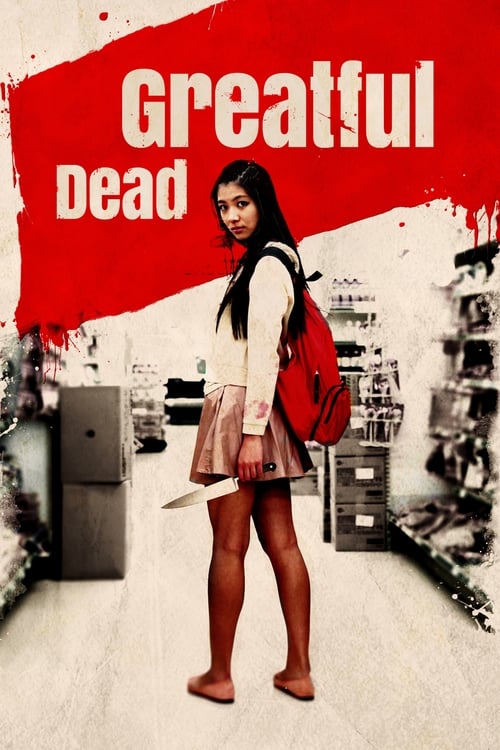
Greatful Dead
2014
No user ratings available yet
Representation score: 7.3 out of 10
Representation Score
Fair
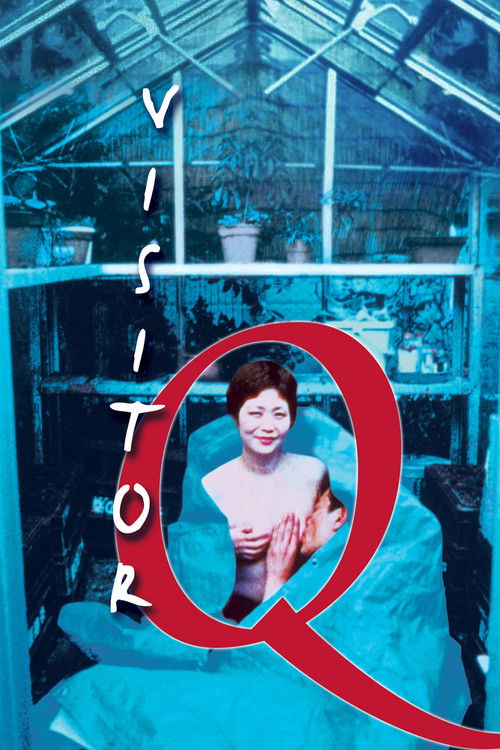
2001
RDirector
Takashi Miike
Runtime
84 minutes
Average Rating
No ratings yetNew Showbiz Analysis
Takashi Miike’s work is a radical deconstruction of the domestic sphere, using transgressive cinema to challenge the sanctity of the nuclear family. It excels in its aggressive subversion of gender roles and its critique of established social structures. However, the film's impact is limited by its narrow focus. The lack of racial diversity and the use of non-traditional gender elements purely for shock value prevent a higher score in those categories. Ultimately, the film is a study of systemic dysfunction. It trades traditional moral progression for a chaotic reality that challenges the viewer's perception of decency.
Category Breakdown
The film uses behaviors and sexualities that go against traditional norms to challenge the audience. However, these elements serve grotesque absurdity rather than providing character-driven identity stories.
Miike effectively breaks down traditional gender roles like the nurturing mother or stable patriarch. The film replaces standard power dynamics with a fluid, disturbing hierarchy that defies gendered expectations.
The story focuses on a specific Japanese domestic unit and lacks diverse racial dynamics. Instead, it explores the internal collapse of a homogeneous group.
The narrative provides a profound critique of traditional institutions by breaking down the family unit. It embraces moral relativism, framing social breakdown as a form of chaotic liberation.
There is no evidence of characters using visible or invisible disabilities as central narrative drivers. The focus remains on psychological and social transgression.
Present on Screen
Limited or Absent
Official Synopsis
In a dysfunctional family where the mother is a heroin addict and prostitute, beaten by her son, and the father is an ex-TV reporter, sleeping with his daughter and filming his son being beaten up, ‘Q’, a complete stranger enters the bizarre family, changing their lives for the better, finding a balance in their disturbing natures.
2014
2002
1993

2005

1998

1999
2016

2017
No reviews yet. Be the first to share your thoughts on this movie!
Use the rating form above to leave a star rating and optional review.