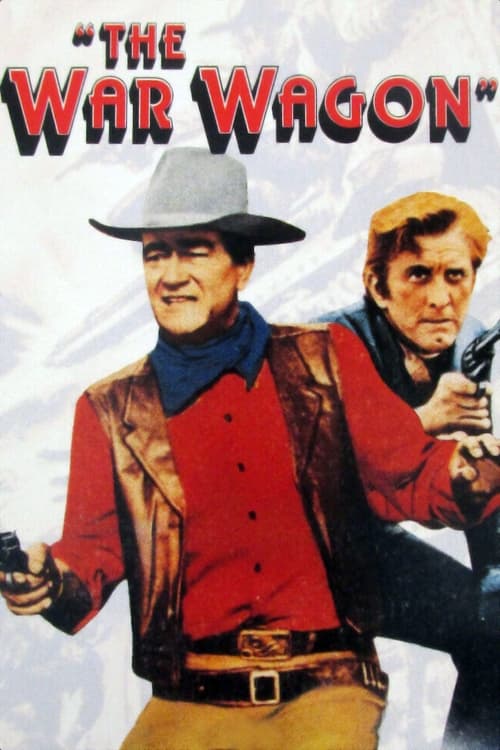
The War Wagon
1967
No user ratings available yet
Representation score: 0.6 out of 10
Representation Score
Fair
1961
NRDirector
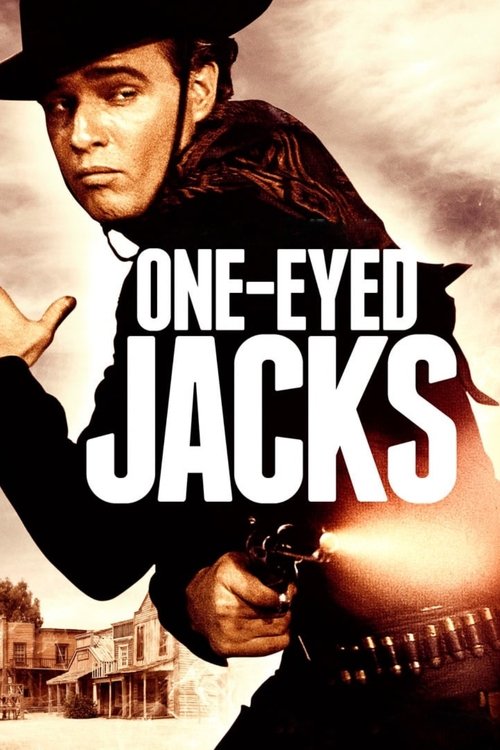
Marlon Brando
Runtime
141 minutes
Average Rating
No ratings yetNew Showbiz Analysis
One-Eyed Jacks shifts the Western genre towards psychological complexity, moving away from strict moral binaries. Brando's direction emphasizes the internal struggles of men navigating the gray areas of criminal behavior and societal respectability. The film's strength lies in its deconstruction of the heroic archetype, focusing on personal redemption and situational ethics. This contrasts with the traditional rigid hierarchies of the American frontier mythos. However, the film remains limited by its time period. It lacks representation of LGBTQ+ identities and uses physical disabilities primarily as symbolic tools for storytelling rather than addressing lived realities.
Category Breakdown
The film does not include any LGBTQ+ characters or explore non-straight relationships. The romantic tension is solely focused on the male protagonist and the female lead.
The story follows traditional gender roles, emphasizing masculine conflict and redemption. While Lou Ann has some influence as a saloon singer, her role is closely tied to the male lead's romantic interests.
The Mexican border setting includes Mexican-American characters and cultural elements, offering a richer, more varied frontier compared to many uniform Westerns of the time.
The film stands out by presenting moral relativism, challenging the typical 'good versus evil' dichotomy. It delves into situational ethics and the psychological impact of survival, avoiding reliance on conventional moral laws.
Physical scars and the 'one-eyed' theme highlight past traumas. However, these elements serve as part of the character's history rather than exploring disability through detailed lived experiences or empowerment.
Present on Screen
Limited or Absent
Official Synopsis
Running from the law after a bank robbery in Mexico, Dad Longworth finds an opportunity to take the stolen gold and leave his partner Rio to be captured. Years later, Rio escapes from the prison where he has been since, and hunts down Dad for revenge. Dad is now a respectable sheriff in California, and has been living in fear of Rio's return.
1967

1958
1968
1962
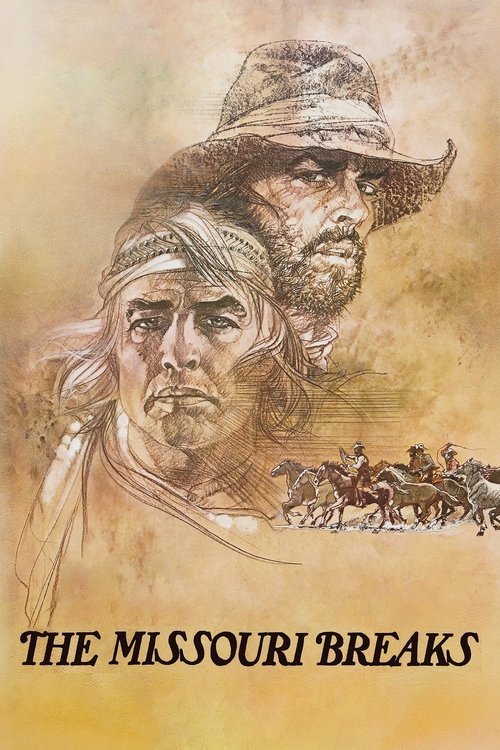
1976
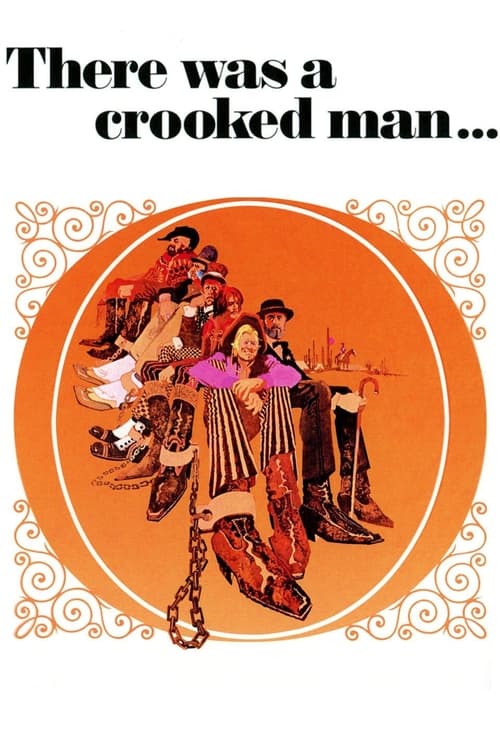
1970
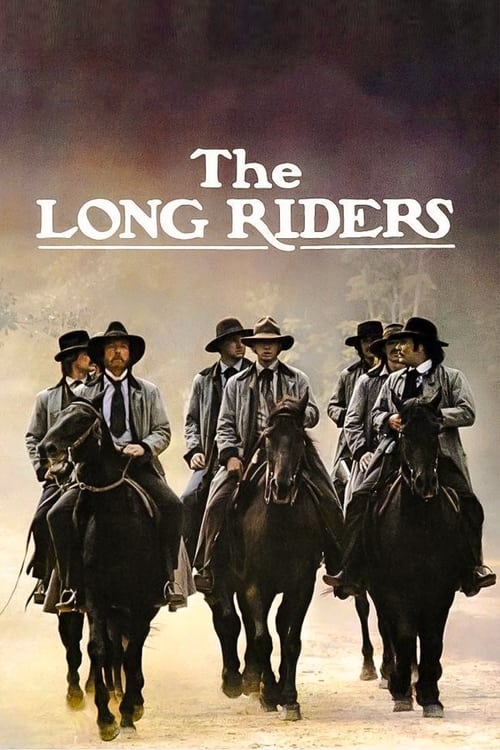
1980
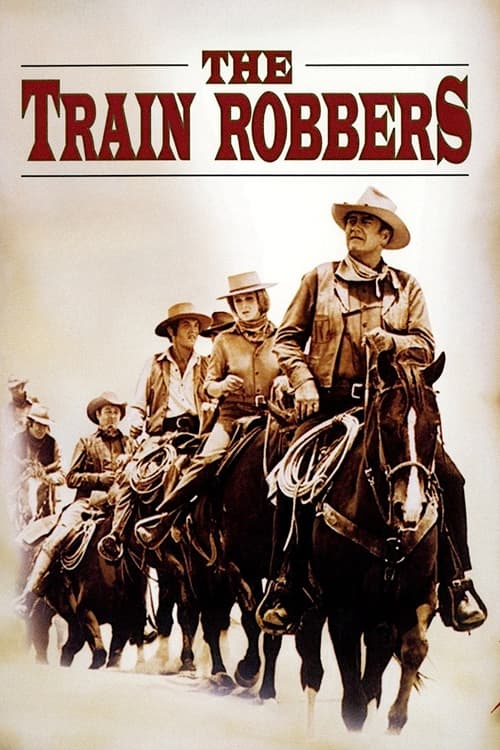
1973
No reviews yet. Be the first to share your thoughts on this movie!
Use the rating form above to leave a star rating and optional review.