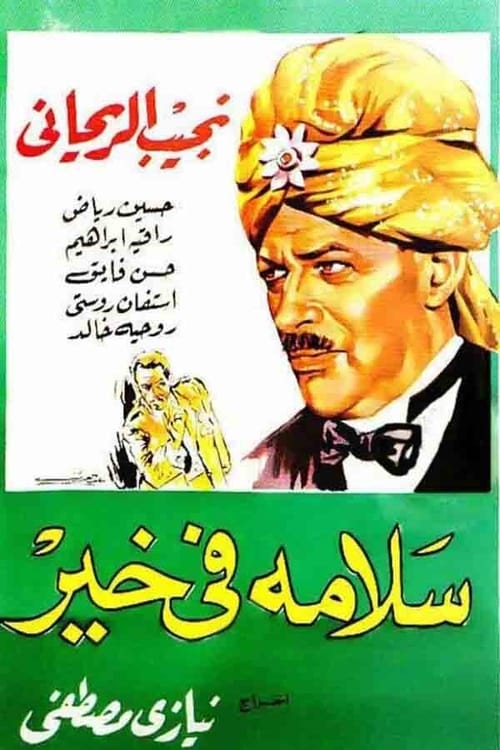
Salama Is Fine
1937
No user ratings available yet
Representation score: 1.9 out of 10
Representation Score
Fair
1941
Director
Niazi Mostafa
Runtime
120 minutes
Average Rating
No ratings yetNew Showbiz Analysis
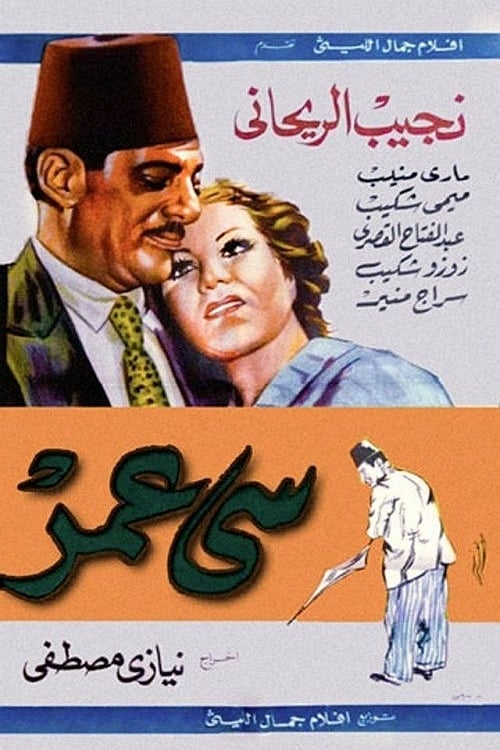
Mr. Omar is a sophisticated social comedy that uses a classic comedy of errors to challenge the perceived invulnerability of the upper class. It succeeds in deconstructing the sanctity of the 'Bey' social standing through themes of mistaken identity. While the film lacks modern characters who reflect more than one aspect of diversity, it provides a meaningful departure from conservative narratives by highlighting the instability of traditional social roles. The disruption of class-based authority remains its most significant achievement. Ultimately, the film functions more as a critique of institutional trust and class mobility than a study of diverse identity politics.
Category Breakdown
The film adheres to the social constraints of 1941, focusing on heterosexual marriage. There is no indication of non-binary identities or same-sex intimacy within the narrative.
Berlanti provides a nuanced challenge to traditional gender hierarchies by acting as the plot's catalyst. Her significant role in identifying the protagonist drives the domestic restructuring and central tension.
The story offers a non-Western perspective rooted in Egyptian cinema. However, it prioritizes internal class stratification over explicit racial or ethnic diversity.
The film critiques capitalist structures by focusing on estate fraud and wealth exploitation. It suggests a skepticism toward the morality of established class-based hierarchies.
No visible or invisible disabilities are portrayed as central to the character arcs or the progression of the plot.
Present on Screen
Limited or Absent
Official Synopsis
Gaber Effendi is a simple employee at Ezbet Omar al-Alfi's, expelled by the head of the family after Jabir discovers that there is fraud in the accounts of the estate. Gaber meets with Berlanti, the wife of Omar Bey's, noting a great similarity between him and her absent husband in India, Omar. Following the advice of a legal advisor, Omar Bey's family believes that he is still alive and living in India. By chance, Jaber Effendi goes to Omar's house and is seen by the family and gets married, but Omar finds out the truth and tries to exploit the resemblance to seize wealth, but ultimately fails.
1937
1943
1936
1984
1950

2020
1919

1956
No reviews yet. Be the first to share your thoughts on this movie!
Use the rating form above to leave a star rating and optional review.