
The City
1999
No user ratings available yet
Representation score: 4.4 out of 10
Representation Score
Fair
2003
NRDirector
Alan Taylor
Runtime
85 minutes
Average Rating
No ratings yetNew Showbiz Analysis
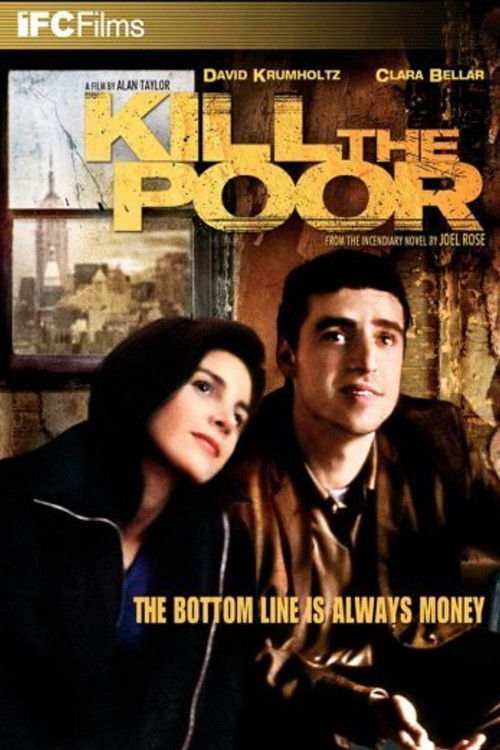
Kill the Poor is a work of intense narrative subversion that focuses on the deconstruction of systemic oppression. It achieves high progressive value by challenging the perceived morality of Western institutional efficiency and state authority. However, the film lacks traditional demographic breadth. It primarily serves as a dark, satirical examination of class warfare, leaving significant gaps in the representation of specific identities. While the film’s critique of systemic exclusion is present, it relies on socioeconomic status as a proxy for exclusion rather than exploring diverse personal identities.
Category Breakdown
The film does not include any LGBTQ+ characters. It focuses on socioeconomic conflicts and class divisions rather than exploring non-straight relationships.
Gender roles are less important than the main class struggle. The story lacks strong female characters or challenges to traditional gender leadership.
The narrative uses a cleansing metaphor that echoes historical patterns of systemic exclusion. However, the absence of explicit racial diversity limits the score.
The film provides a sharp critique of capitalist power structures. It highlights extreme wealth disparities and state-sanctioned violence as major societal issues.
The film does not offer a nuanced depiction of disability. Characters are portrayed as a uniform group of targets rather than individuals with specific disabilities or neurodivergent traits.
Present on Screen
Limited or Absent
Official Synopsis
When a marriage of convenience becomes the real thing, Joe moves his pregnant French wife to a tenement building on New York's Lower East Side. The street is like a war zone with none of the nostalgic appeal that Joe remembers from tales of his immigrant grandparents arriving in the same neighborhood with a new life. This is the urban frontier filled with comic mixture of gentrifies, homeboys, dealers and local residents simply bent on staying a float
1999
1989

2000

1945

2007
1994

1975

2014
No reviews yet. Be the first to share your thoughts on this movie!
Use the rating form above to leave a star rating and optional review.