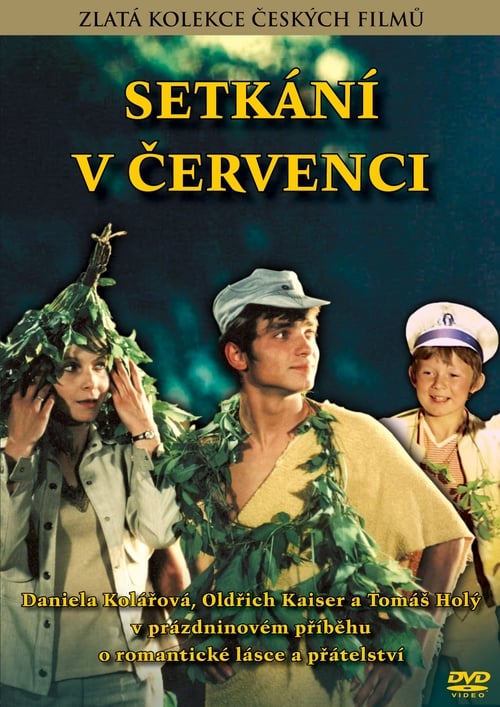
Meeting in July
1978
No user ratings available yet
Representation score: 5.8 out of 10
Representation Score
Limited
1973
Director
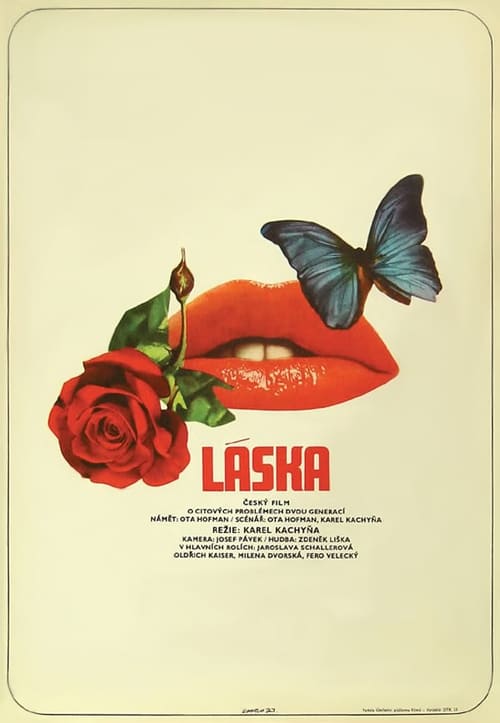
Karel Kachyňa
Runtime
88 minutes
Average Rating
No ratings yetNew Showbiz Analysis
Love (1973) is a psychological study of interpersonal dynamics set within the social fabric of mid-century Czechoslovakia. It prioritizes character-driven realism over demographic disruption, focusing on the friction between individual autonomy and provincial social structures. The film succeeds in presenting complex, non-traditional family units, such as blended families and single parenthood. It also offers a refreshing look at female professional competence through the character of Eva. However, the film remains largely anchored in the demographic norms of its era. It lacks racial diversity and queer representation, adhering strictly to the homogeneous context of the period.
Category Breakdown
The film focuses solely on heterosexual relationships and traditional courtship. There are no queer narratives or characters with diverse gender identities.
Eva is portrayed as a professional dentist and divorced mother, offering a nuanced look at female empowerment. However, the central conflicts still rely on traditional romantic storylines.
The cast is homogeneous, reflecting the demographics of mid-century Czechoslovakia. There is no evidence of whitewashing, but the film lacks racial diversity.
The story examines the tension between state-aligned values and personal truth through Andrea's essay. It deconstructs idealized family structures by focusing on divorce and single parenthood.
There is no visible or invisible disability representation within the narrative. Characters appear to function within neurotypical and able-bodied norms.
Present on Screen
Limited or Absent
Official Synopsis
Sixteen-year-old students of a grammar school are supposed to write essays on "Love". The class best student Andrea (Jaroslava Schallerová) writes about a patriotic love to a country as she has no experience with a partner love. She has been living alone with her divorced pretty mother Eva (Milena Dvorská), a dentist, for many years. Recently, however, Eva met her former school-days love at a graduates' party, nowadays a famous hockey goalkeeper Brukner (Frantisek Velecký). Also his marriage fell apart; he leaves the national team and decides to leave Prague for his home town and to share flat with Eva. He takes with him his son Petr (Oldrich Kaiser), in Andrea's age, who gets his last chance to finish a grammar school in the town.
1978

1965
1977

1970
1964
1961
1985

1970
No reviews yet. Be the first to share your thoughts on this movie!
Use the rating form above to leave a star rating and optional review.