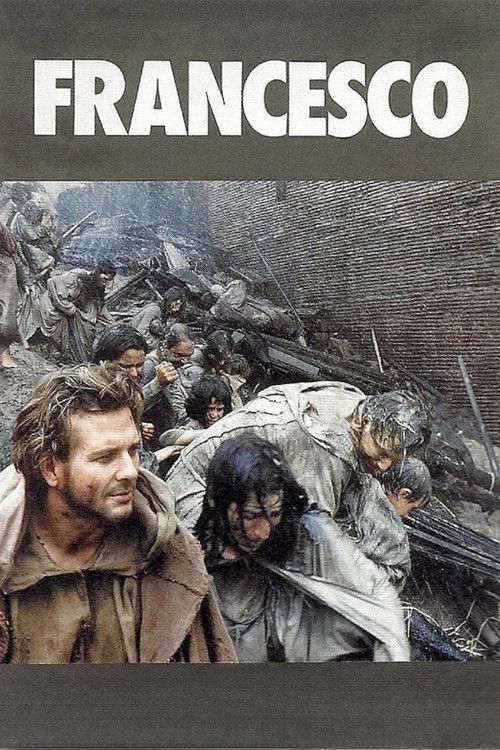
Francesco
1989
No user ratings available yet
Representation score: 2.2 out of 10

Representation Score
Minimal
2006
Director
Sandro Cecca, Antonello Belluco
Runtime
110 minutes
Average Rating
No ratings yetNew Showbiz Analysis
Antonio, guerriero di Dio is a period drama that prioritizes historical hagiography over social deconstruction. It functions as a celebration of traditional religious values and the spiritual arc of St. Anthony of Padua. The film’s structure is deeply rooted in the patriarchal and straight-centered constraints of the 13th century. It focuses on male-dominated monastic and political spheres, offering little room for diverse identity perspectives. While the film captures a specific Mediterranean historical context, it remains centered on Western Christian orthodoxy, reinforcing established social hierarchies without critique.
Category Breakdown
The film follows a traditional hagiography centered on 13th-century monastic life. The narrative focuses on religious devotion and celibacy, offering no evidence of LGBTQ+ identities or critiques of the assumption that everyone is straight or cisgender.
The story emphasizes male figures like Anthony, St. Francis, and the usurers, reinforcing patriarchal hierarchies inherent to medieval ecclesiastical and social orders.
The setting spans Sicily and Padua, reflecting Southern European demographics. While it depicts intra-European movement, the focus on Western Christian history lacks multi-layered racial diversity.
The film celebrates traditional Western religious institutions and Christian morality. It promotes the sanctity of the Church and religious authority rather than critiquing these structures.
There is no information available regarding the depiction of physical or neurodivergent characters within the narrative.
Present on Screen
Limited or Absent
Official Synopsis
The life of Anthony of Padua (1195-1231) from his arrival on Sicily's shores via shipwreck in 1221 to his death. He's a Portuguese monk who, once in Italy, seeks out St. Francis. Anthony's gift as a great preacher is discovered by happenstance. He spends much of his life in and near Padua, a city run by usurers. Anthony offers protection and friendship to Folco, at one time a petty criminal and acolyte to the usurers, later falsely accused of murder. Anthony's teaching and his spiritual strength lead to changes in the character of Padua and an end to usury. He became its patron Saint soon after his death, and 32 years later, his casket is opened and his tongue remains intact.
1989
1950
2016
1972
1931
2003
1947
2004
No reviews yet. Be the first to share your thoughts on this movie!
Use the rating form above to leave a star rating and optional review.