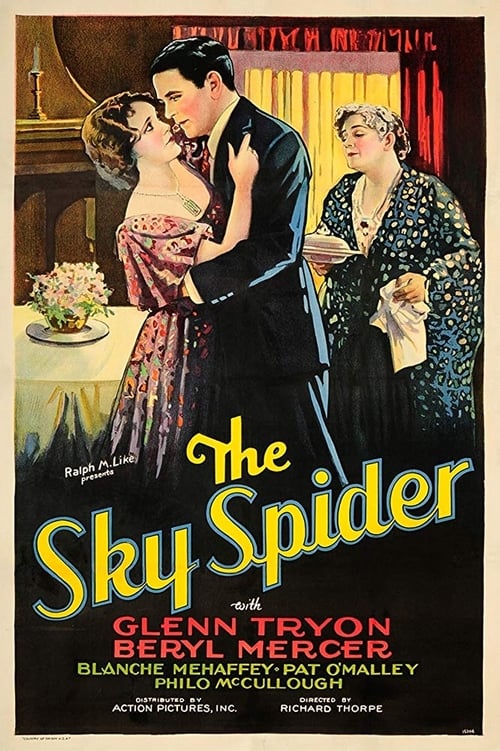
The Sky Spider
1931
No user ratings available yet
Representation score: 0.5 out of 10
Representation Score
Minimal
1928
PassedDirector
Jimmy Fulton
Runtime
102 minutes
Average Rating
No ratings yetNew Showbiz Analysis
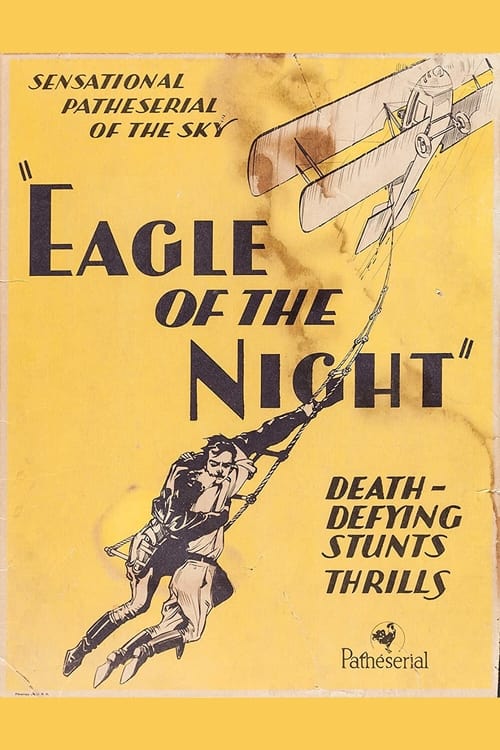
Eagle of the Night is a typical aviation-based adventure serial that operates within the social norms of the late 1920s. The plot revolves around technological innovation and a straightforward conflict between a hero and villains. The film lacks complexity in representing diverse identities, relying instead on traditional formulas of masculine leadership and Western moral frameworks. While the restored print provides a clear view of the action, the narrative remains anchored in the homogeneous casting and social structures typical of Pathe productions of that era.
Category Breakdown
The film does not include any representation of LGBTQ+ identities or same-sex relationships. It aligns with the assumption that everyone is straight or cisgender, which was common in 1928 cinema.
The story focuses on male characters and their struggles, particularly the inventor's fight against villains. Female characters do not have significant roles or challenge gender hierarchies.
The film likely reflects the homogeneous casting practices of the late silent era. It follows a conventional Western adventure framework without significant racial diversity.
The film upholds traditional Western values, emphasizing the protection of intellectual property. It uses a clear moral binary between the inventor and the villains.
There is no documented evidence of characters with physical or neurodivergent disabilities in the surviving footage.
Present on Screen
Limited or Absent
Official Synopsis
1928 was the last year when silent films dominated the market, and this aviation-based action serial from Pathe was one of the studio's last. Some pieces are no longer extant (half of chapters 3&6, all of 7, 8, and 9, and the beginning of the 10th and final chapter), but the beginning and end are there as well as enough to follow the action adequately. The surviving Grapevine print is beautifully restored and tinted in spots, although you can tell the print is deteriorated in some of the surviving sections. Basically, an inventor (Josef Swickard, in a role not unlike the one he later played in THE LOST CITY) has created a silencer/muffler for planes to silence any engine sounds, and the bad guys are out to steal the invention and put it to evil use.
1931
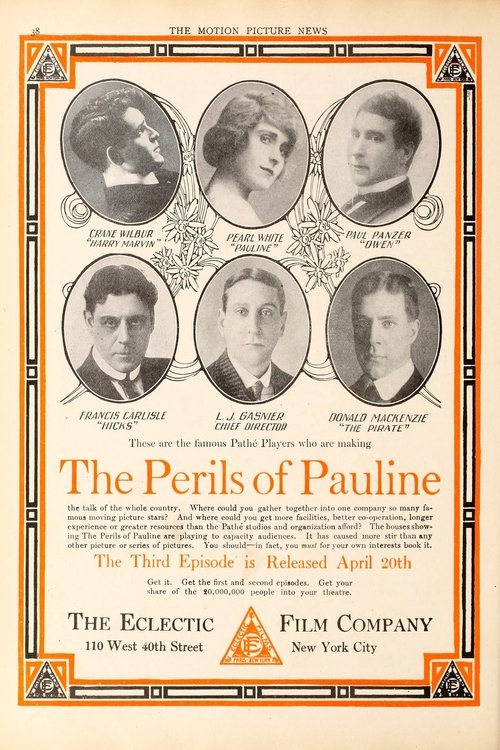
1914
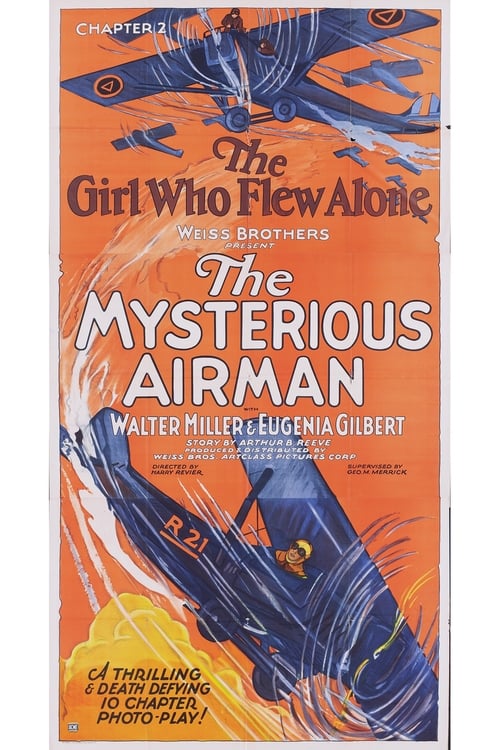
1928
1942

1919
1935
1927
1932
No reviews yet. Be the first to share your thoughts on this movie!
Use the rating form above to leave a star rating and optional review.