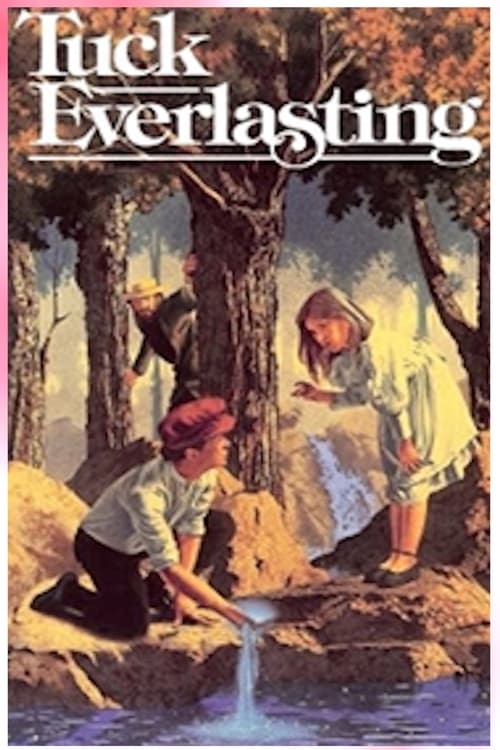
Tuck Everlasting
1981
No user ratings available yet
Representation score: 2.5 out of 10
Representation Score
Limited
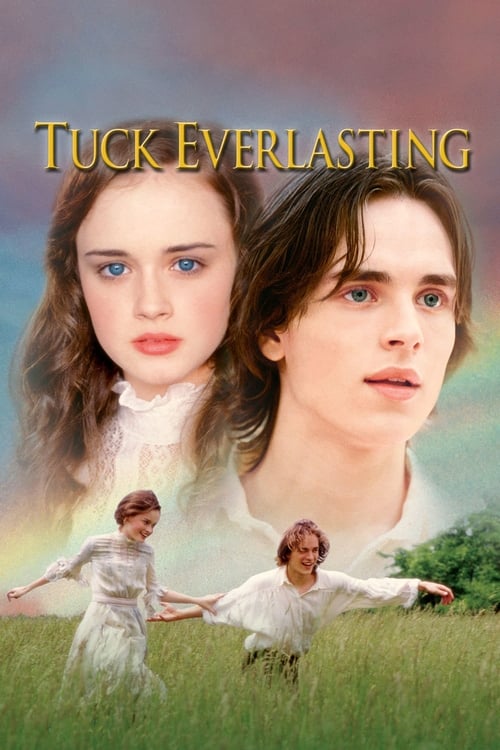
2002
PGDirector
Jay Russell
Runtime
90 minutes
Average Rating
No ratings yetNew Showbiz Analysis
Tuck Everlasting is a period drama that prioritizes romantic naturalism over systemic social critique. While it provides the female protagonist who play a significant role in driving the story, the film remains anchored in conventional social and racial structures. The film succeeds in subverting traditional gender hierarchies through Winnie's drive for independence. However, it lacks any representation of LGBTQ+ identities or racial diversity, focusing instead on a localized, homogeneous environment. Ultimately, the work offers meaningful character development within a traditionalist framework rather than attempting to disrupt established cultural norms.
Category Breakdown
The film follows a traditional romantic framework centered around the relationship between Winnie Foster and Jesse Tuck, without exploring queer dynamics.
Winnie Foster serves as an agent of curiosity, challenging early 20th-century domesticity. Her journey towards autonomy disrupts expectations of female passivity within a patriarchal household.
Set in 1914, the film features a predominantly homogeneous, Anglo-centric cast. It lacks diverse ethnic perspectives, reflecting the localized historical setting.
The narrative explores moral relativism through the ethics of immortality. It contrasts Winnie’s structured upbringing with the Tucks' fluid lifestyle, offering a mild critique of rigid social governance.
There are no prominent depictions of disabilities. No character arcs are defined by neurodivergence or physical impairment.
Present on Screen
Limited or Absent
Official Synopsis
Teenager Winnie Foster is growing up in a small rural town in 1914 with her loving but overprotective parents, but Winnie longs for a life of greater freedom and adventure.
1981
1997
2008
1985
2020
1987
1990

1959
No reviews yet. Be the first to share your thoughts on this movie!
Use the rating form above to leave a star rating and optional review.