The Odd Life of Timothy Green
2012
No user ratings available yet
Representation score: 2.6 out of 10
Representation Score
Limited
1997
PGDirector
Charles Sturridge
Runtime
99 minutes
Average Rating
No ratings yetNew Showbiz Analysis
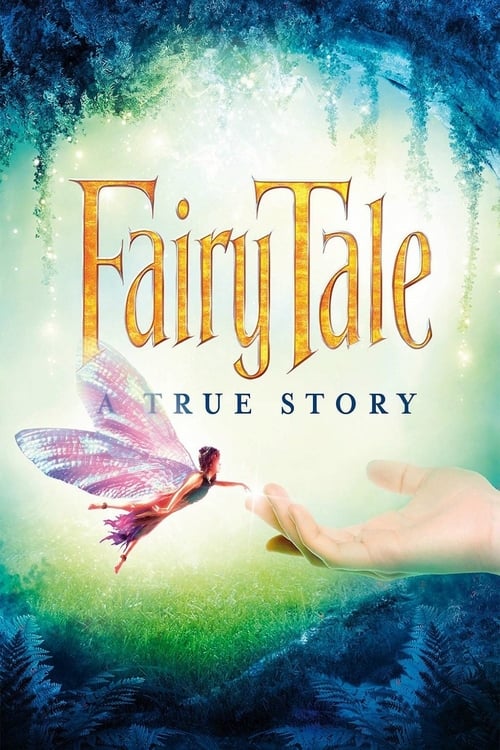
FairyTale: A True Story is a period drama that prioritizes the exploration of gendered ability to act and class-based friction. While it lacks broad demographic diversity, it offers a meaningful look at how individuals navigate systemic constraints. The film succeeds in portraying women as active drivers of their own stories rather than passive participants. However, the historical setting results in a lack of racial and LGBTQ+ representation. Ultimately, the work functions as a critique of the social orders of the early 1900s, focusing on the struggle for truth against rigid institutional authority.
Category Breakdown
The film does not include explicit LGBTQ+ characters or relationships that challenge straight-centered assumptions. It focuses on friendships and domestic life in early 20th-century settings without addressing queer identities.
The narrative centers on female protagonists pursuing intellectual independence. It highlights the tension between women's ability to drive the story and the restrictive social expectations of the era.
Set in Edwardian England, the cast is predominantly Anglo-Saxon. The story reflects the historical homogeneity of the period without exploring diverse racial backgrounds.
The film critiques rigid class structures and traditional social hierarchies. It portrays established institutions as obstacles to individual expression and truth.
There are no prominent depictions of physical or neurodivergent disabilities. No characters with disabilities serve as central narrative drivers.
Present on Screen
Limited or Absent
Official Synopsis
In 1917, two children take a photograph, which is soon believed by some to be the first scientific evidence of the existence of fairies. Based on the true story of the Cottingley Fairies.
2012
2008
2006

1959
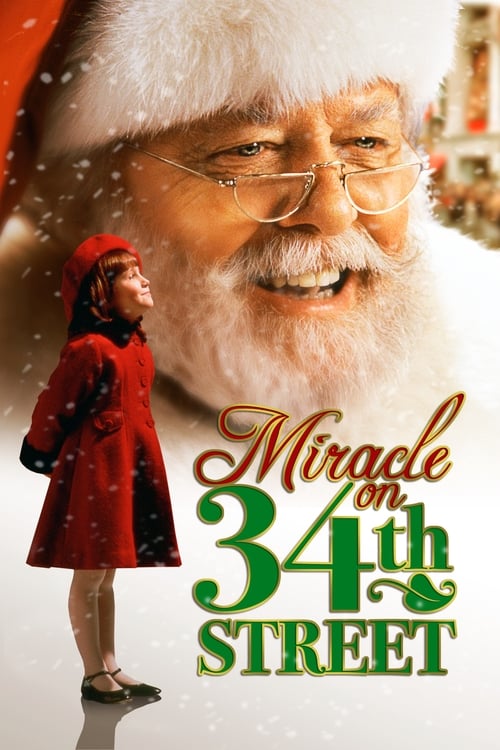
1994
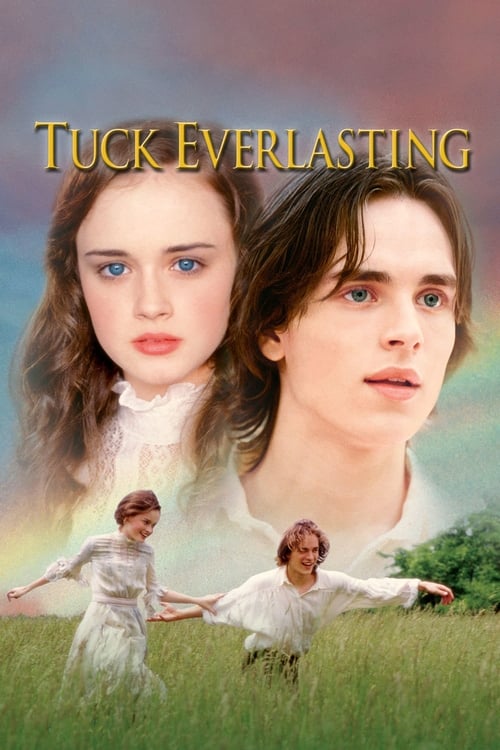
2002
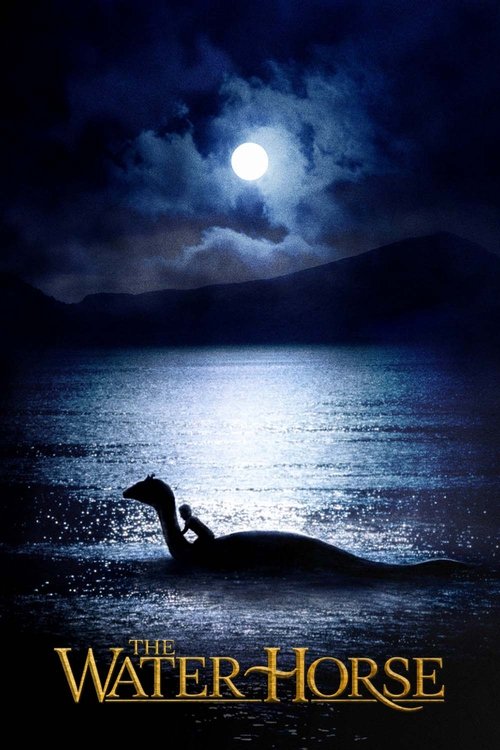
2007
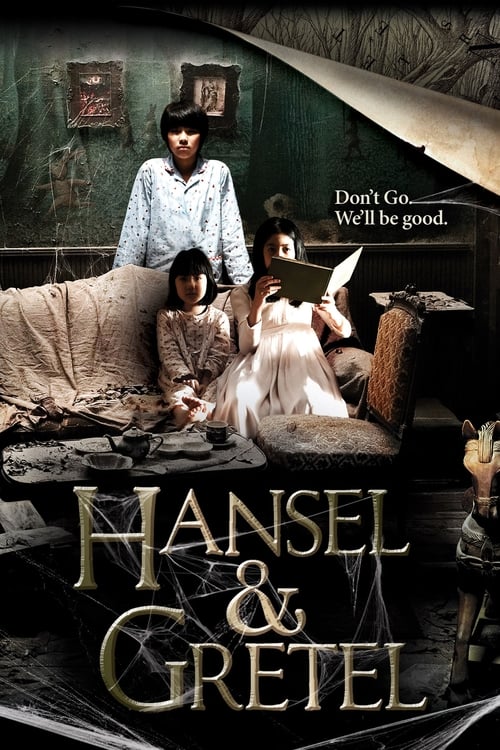
2007
No reviews yet. Be the first to share your thoughts on this movie!
Use the rating form above to leave a star rating and optional review.