Priyam
2000
No user ratings available yet
Representation score: 3.0 out of 10
Representation Score
Minimal
1993
Director
Mahesh Bhatt
Runtime
163 minutes
Average Rating
No ratings yetNew Showbiz Analysis
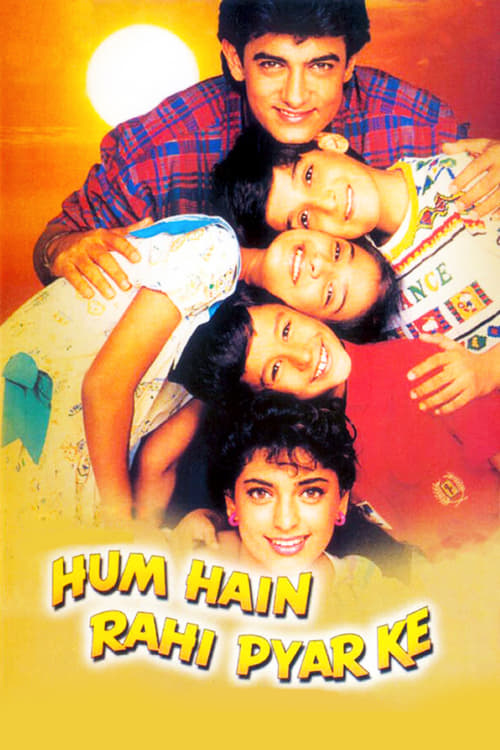
Hum Hain Rahi Pyar Ke is a typical 1990s Bollywood romantic comedy that centers on domestic melodrama and traditional social norms. It reinforces established family and social structures rather than challenging them. The film excels in providing a culturally authentic South Asian experience for its audience but lacks complexity in representing diverse identities and social critiques.
Category Breakdown
The film focuses on heterosexual relationships and does not include any LGBTQ+ identities or same-sex intimacy. There is no representation of non-binary genders either.
The story follows traditional gender roles where the male protagonist takes on nurturing roles, while the female lead's actions are influenced by patriarchal figures and romantic clichés.
The film features a predominantly South Asian cast, providing a culturally authentic experience for its target audience. However, it does not include diverse cultural backgrounds beyond South Asia.
The narrative emphasizes traditional family values and courtship norms, reinforcing the sanctity of the family unit and parental authority.
There are no characters with visible or invisible disabilities that play a central role in the narrative or character development.
Present on Screen
Limited or Absent
Official Synopsis
Rahul has his hands full taking care of his late sister’s three children. He faces a new challenge when the kids sneak a runaway bride into the house.
2000
1989

1999
1994

1990
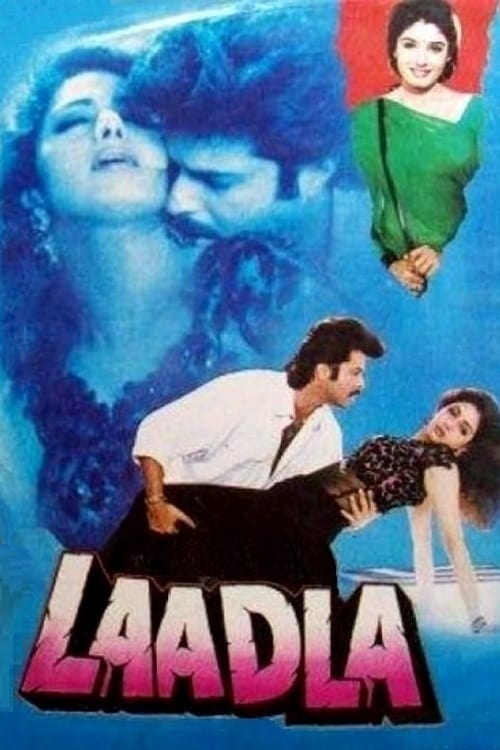
1994
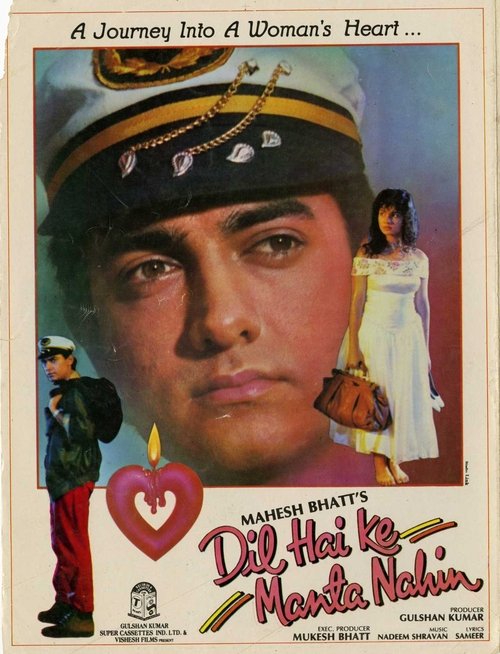
1991
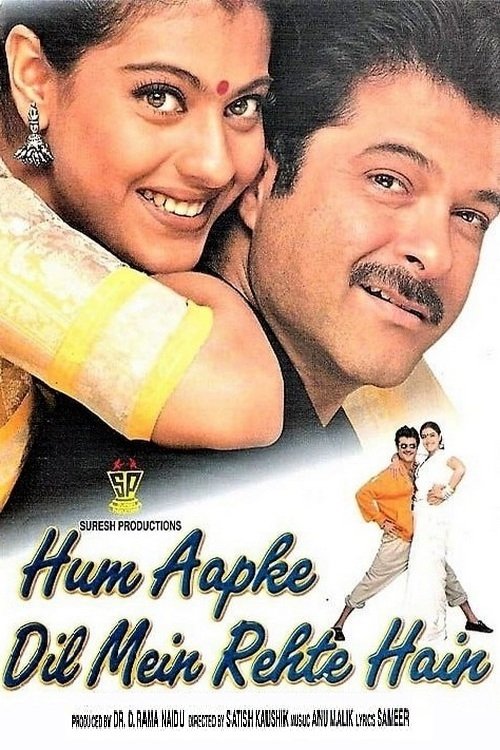
1999
No reviews yet. Be the first to share your thoughts on this movie!
Use the rating form above to leave a star rating and optional review.