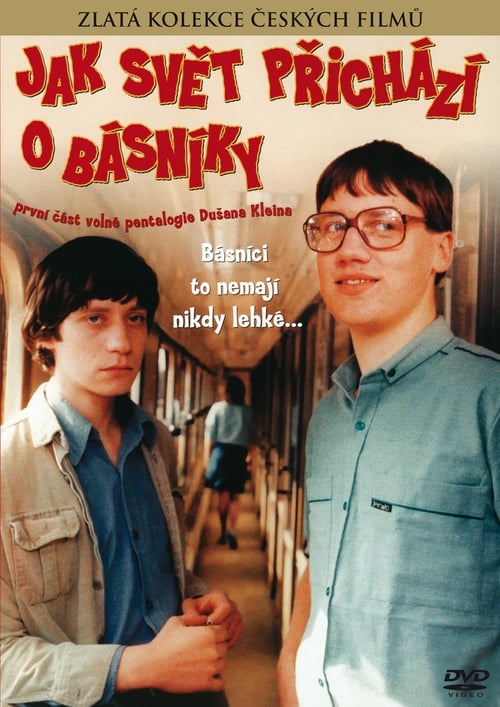
How the World Is Losing Poets
1982
No user ratings available yet
Diversity score: 4.3 out of 10
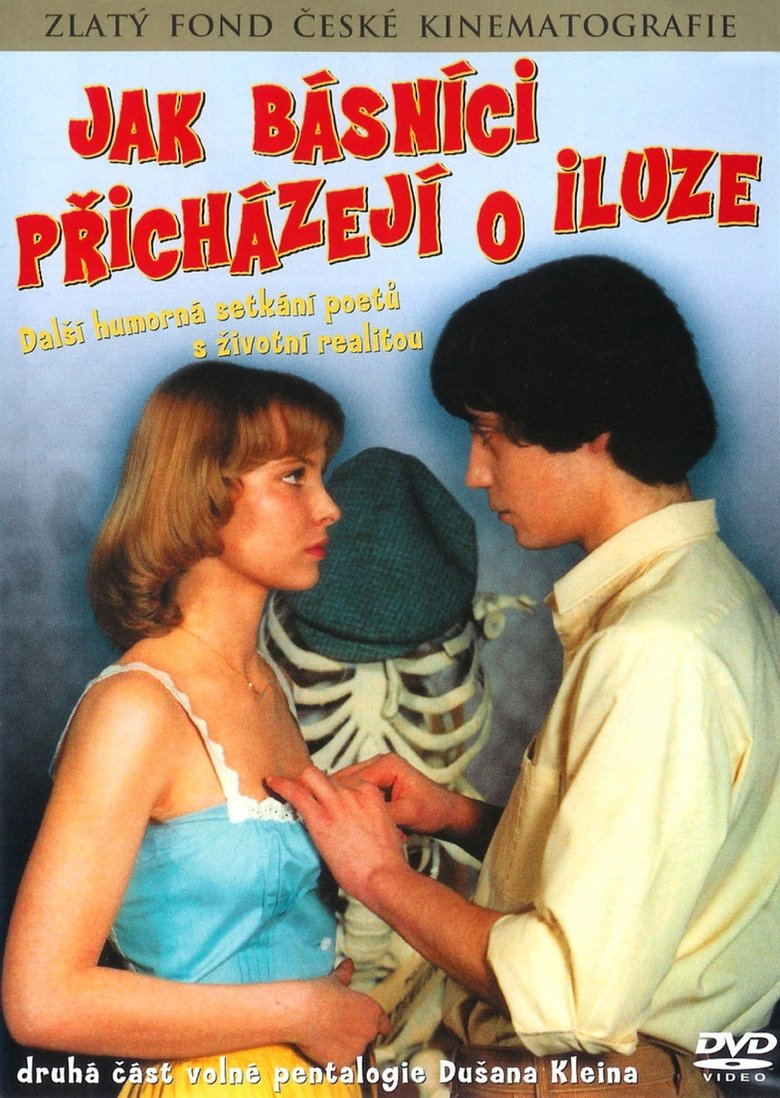
1985
Director
Dušan Klein
Runtime
98 minutes
Average Rating
No ratings yetSynopsis
A story about a young medical school student and his adventures.
Overall Score
Fair
Category Breakdown
LGBTQ+ Representation
The film lacks evidence of non-heteronormative identities or same-sex intimacy. It appears to adhere to the traditional social structures common in 1985 Eastern Bloc cinema.
Gender Representation
The story centers on a male medical student and his adventures. This structure prioritizes male agency, offering little insight into female characters' roles or influence.
Racial & Ethnic Diversity
The cast is likely ethnically homogeneous given its Czechoslovak production. There is no evidence of diverse casting that challenges the era's demographic norms.
Religious & Cultural Diversity
The theme of losing illusions suggests a tension between individual aspirations and systemic realities. This may serve as a critique of institutional structures.
Disability Representation
There is no information regarding the inclusion of characters with visible or invisible disabilities.
Strengths
Areas for Improvement
AI Analysis
The film follows a traditional coming-of-age trajectory centered on a male protagonist. Its narrative architecture reflects the specific historical and geographical constraints of mid-1980s Czechoslovak cinema. While the thematic focus on disillusionment suggests a sophisticated engagement with reality, the work does not appear to actively disrupt traditional social hierarchies. The representation remains largely conventional for its period. Overall, the film lacks intersectional depth, focusing instead on a singular, male-driven perspective that aligns with the era's standard storytelling patterns.
1982
1988
1974

1981

1994
2004
1982
1965
1985
2011
2003
2009
No reviews yet. Be the first to share your thoughts on this movie!
Use the rating form above to leave a star rating and optional review.