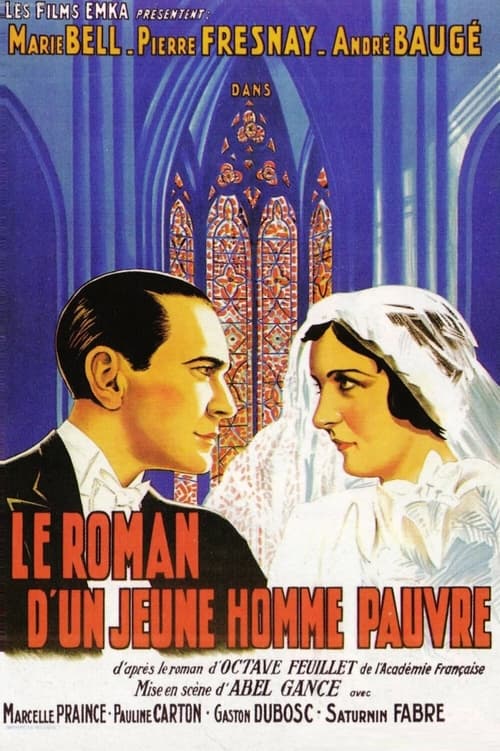
The Novel of a Poor Young Man
1936
No user ratings available yet
Representation score: 1.2 out of 10
Representation Score
Minimal
1935
Director
Douglas Sirk
Runtime
82 minutes
Average Rating
No ratings yetNew Showbiz Analysis
This period-specific social drama focuses on class conflict rather than modern characters who reflect more than one aspect of diversity. Despite a homogeneous cast, the narrative provides depth through its exploration of social stratification. Douglas Sirk's early work highlights the struggles of underrepresented individuals facing community prejudice, while giving the female lead a strong, active role.
Category Breakdown
The film follows the straight-centered standards typical of 1930s cinema, with no depictions of LGBTQ+ identities or same-sex relationships.
The female protagonist actively drives the emotional core of the story, navigating social peril and systemic suspicion without being a passive character.
The cast is predominantly white, reflecting the production standards of 1935. There are no non-white characters with significant roles.
The film critiques community judgment and social rigidity through the experiences of outsiders in a marshland setting, highlighting socioeconomic friction between socialites and the poor.
The film does not focus on physical or neurodivergent disabilities, nor do any character arcs revolve around impairments.
Present on Screen
Limited or Absent
Official Synopsis
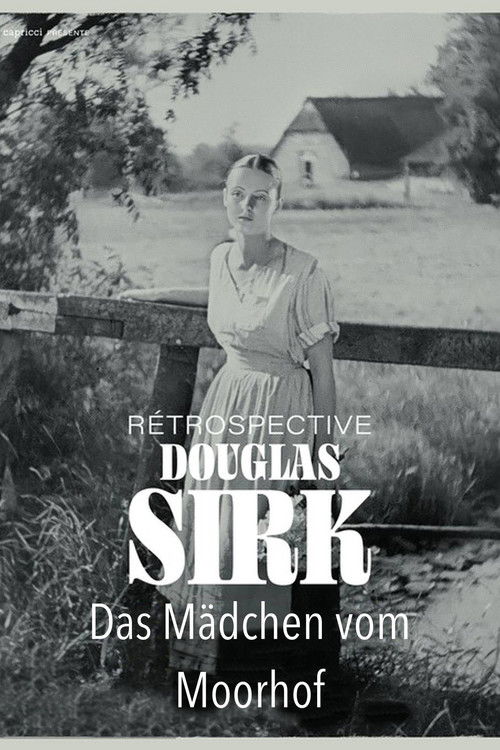
A farm boy betrothed to a socialite falls in love with his maid - an impoverished girl from the marsh.
1936

1930

1928
1920
1923
1927
1934
1930
No reviews yet. Be the first to share your thoughts on this movie!
Use the rating form above to leave a star rating and optional review.