A Wild Sheep Chase: In Search of Haruki Murakami
2008
No user ratings available yet
Representation score: 5.2 out of 10
Representation Score
Good
2017
Director
Nitesh Anjaan
Runtime
58 minutes
Average Rating
No ratings yetNew Showbiz Analysis
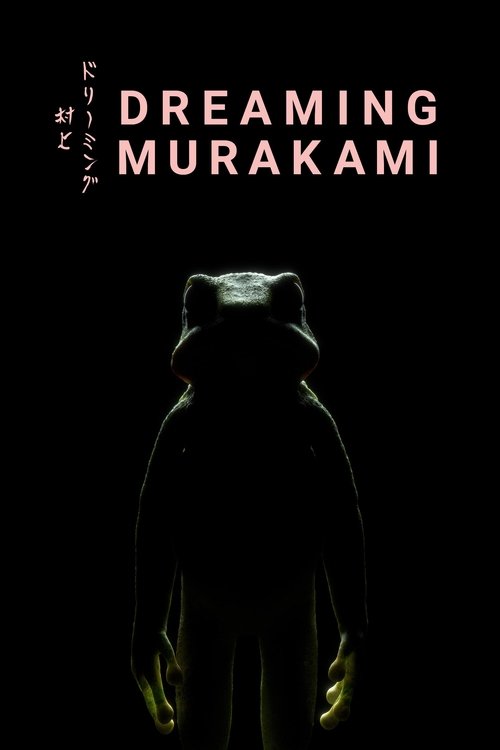
Dreaming Murakami is an intellectual and metaphysical exploration of the translation process. It uses surreal metaphors to illustrate the psychological weight of interpreting Haruki Murakami's work. The film succeeds in presenting a portrait of professional female competence and cross-cultural intellectual engagement. It blends reality with imagination, disrupting documentary conventions. However, the focus remains on the internal struggle of a single protagonist. This narrow scope limits the film's ability to address broader multi-layered themes or systemic social dynamics.
Category Breakdown
The film focuses on the solitary, introspective process of translation. There is no explicit evidence regarding the presence of LGBTQ+ characters or narratives.
The narrative centers on Mette Holm, a female professional navigating a specialized field. It highlights her ability to drive the story through her role as a translator and her engagement with complex themes.
Set in Tokyo, the film facilitates a cross-cultural dialogue between Western and Japanese intellectual traditions. However, it lacks evidence of a diverse cast or specific racialized power dynamics.
The film emphasizes subjective truth and the fluidity of perception over rigid structures. It prioritizes the individual experience through a postmodern, surrealist lens.
There is no evidence to suggest the inclusion of characters with visible or invisible disabilities. No such depictions appear to be used as plot devices.
Present on Screen
Limited or Absent
Official Synopsis
When Mette Holm begins to translate Haruki Murakami's debut novel Kaze no uta o kike, Hear the Wind Sing, a two-meter-tall frog shows up at an underground station in Tokyo. The Frog follows her, determined to engage the translator in its fight against the gigantic Worm, which is slowly waking from a deep sleep, ready to destroy the world with hatred. As Mette struggles to find the perfect sentences capable of communicating what Murakami's solitary, daydreaming characters are trying to tell us, the boundary between reality and imagination begins to blur.
2008
2013

2012
2015

2002
2014
1998

2009
No reviews yet. Be the first to share your thoughts on this movie!
Use the rating form above to leave a star rating and optional review.