Unspeakable
2017
No user ratings available yet
Representation score: 0.8 out of 10
Representation Score
Minimal
2001
TV-PGDirector
Graeme Campbell
Runtime
91 minutes
Average Rating
No ratings yetNew Showbiz Analysis
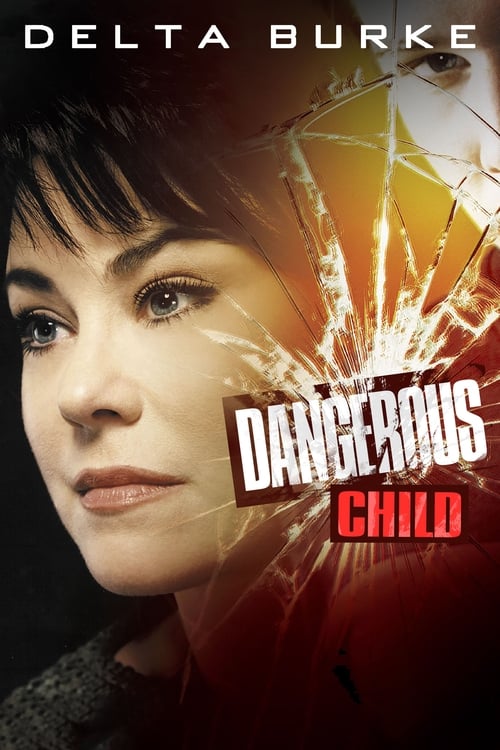
Dangerous Child is a domestic drama centered on the breakdown of the nuclear family and the failures of child protective services. It avoids promoting stable, idealized family structures, instead offering a critique of conventional social norms through its portrayal of a fractured household. However, the film lacks depth in exploring broader systemic power dynamics or diverse identity-based perspectives.
Category Breakdown
The film does not include any characters with non-straight sexual orientations or same-sex relationships. The story revolves around a traditional mother-daughter relationship.
The narrative explores gendered vulnerability by showing a female protagonist as a victim of domestic abuse. It challenges the stereotype of the invulnerable matriarch by highlighting her emotional fragility.
The film does not provide specific information about racial or ethnic diversity. There is no indication of non-Anglo-Saxon casting or diverse ethnic backgrounds.
The film critiques the idealized family institution by depicting the home as a place of conflict. It highlights the instability of traditional social structures through a depiction of a divorced household.
There is no evidence of neurodivergence, physical disabilities, or mental health conditions serving as central narrative drivers in this production.
Present on Screen
Limited or Absent
Official Synopsis
A divorced mother faces the bitter irony of being suspected of child abuse when in fact her own teen son is taking verbal and physical swipes at her.
2017

2018
1994

1998

2017
2019
1992
2016
No reviews yet. Be the first to share your thoughts on this movie!
Use the rating form above to leave a star rating and optional review.