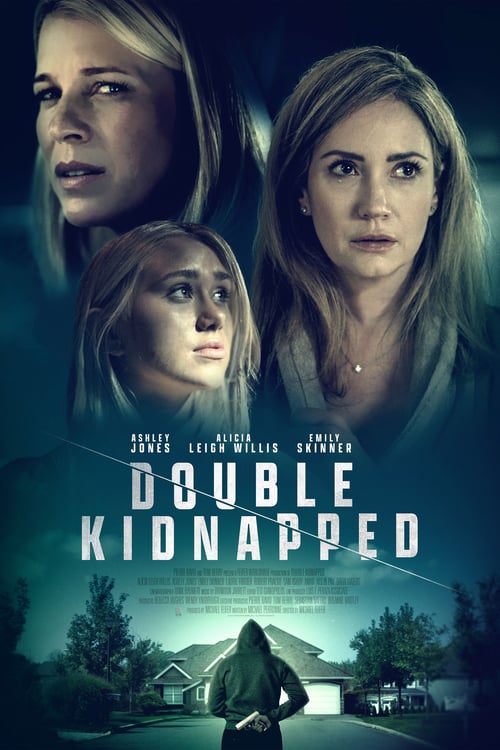
Saving My Daughter
2021
No user ratings available yet
Representation score: 0.9 out of 10

Representation Score
Limited
2013
TV-14Director
Doug Campbell
Runtime
90 minutes
Average Rating
No ratings yetNew Showbiz Analysis
Missing at 17 is a conventional thriller that prioritizes genre-driven mystery over deep social commentary. While it centers on female-led ability to act through maternal cooperation, the representation feels incidental to the plot rather than a deliberate challenge to systemic norms. The film succeeds in subverting the male-dominated thriller archetype by placing women in roles of protection and investigation. However, it lacks the thematic depth required to explore multiple aspects of identity or deconstruct social hierarchies. Ultimately, the work functions as a standard drama. It explores non-traditional family structures through adoption but does not engage with broader identity politics or cultural critiques.
Category Breakdown
The film focuses on the relationship between an adoptive mother and a biological mother. It does not include explicit LGBTQ identities or narratives that challenge the assumption that everyone is straight or cisgender.
Women play a significant role in driving the plot as primary investigators and protectors. This challenges the typical thriller cliché where the male character is the main protagonist.
There is insufficient information to confirm the racial identities of the characters. The ethnic backgrounds of the mothers remain unverified.
The story explores the complexities of biological versus chosen family. However, it follows standard crime clichés without critiquing Western institutions.
The narrative does not feature neurodivergence, physical disabilities, or mental health conditions as central character drivers.
Present on Screen
Limited or Absent
Official Synopsis
A woman tries to save her adopted daughter from a criminal, with help from the girl's biological mother.
2021

2001
2012

2017
2020

2015
2011

1999
No reviews yet. Be the first to share your thoughts on this movie!
Use the rating form above to leave a star rating and optional review.