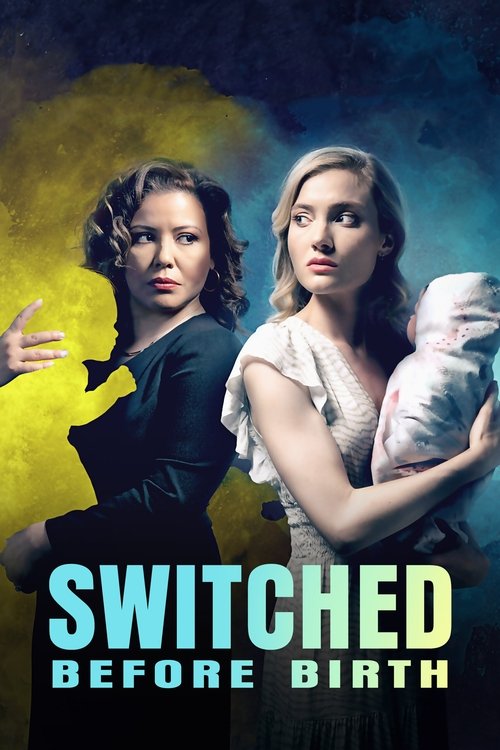
Switched Before Birth
2021
No user ratings available yet
Representation score: 4.8 out of 10
Representation Score
Fair
2011
Director
Christiane Balthasar
Runtime
90 minutes
Average Rating
No ratings yetNew Showbiz Analysis
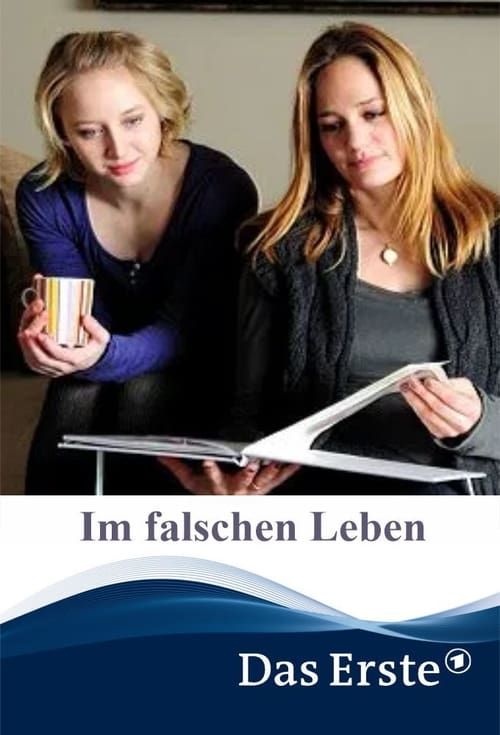
Im falschen Leben is a social drama that uses a medical error to highlight the fragility of the traditional family unit. It successfully uses a crisis to question class-based prejudices and the perceived moral superiority of the middle class. However, the film lacks depth in representing diverse identities. The narrative remains confined to a seemingly homogeneous European social context, offering limited representation for LGBTQ+ or multi-ethnic audiences. Ultimately, the film's strength lies in its psychological realism and its willingness to deconstruct socioeconomic hierarchies.
Category Breakdown
The film focuses on a heterosexual family unit and does not include any non-cisgender identities or same-sex romantic relationships.
Marie's character challenges the strong matriarch stereotype by showing her as overwhelmed. The tension between her and Holger disrupts traditional provider roles.
The story seems centered on a localized European social conflict and does not include a multi-ethnic or non-white cast.
The story critiques socioeconomic hierarchies by contrasting a middle-class family with a single-parent student, challenging class-based biases.
The film does not provide any information about the depiction of physical, neurodivergent, or mental health disabilities.
Present on Screen
Limited or Absent
Official Synopsis
Marie thinks to return to her job one year after the birth of her daughter Nora. Her husband Holger is already looking forward to two-month parental leave in which he wants to be totally there for her daughter. Her daughter? They rush into an emotional hell without warning. The youth welfare office informs them that their child has been swapped in the clinic. Sandra, the other mother with the exchanged and actually biological child of theirs, is a single-parent student. While Sandra outwardly comparatively seems to handle it with ease, Marie is completely overwhelmed. Sandra's life situation leads to a dispute with Holger, because Marie can not accept that "her" daughter should grow up with a poor single parent. When the press also gets wind of the matter, there is no turning back: The children must be exchanged.
2021

2017

1995
1995
2018
2017

2005

2021
No reviews yet. Be the first to share your thoughts on this movie!
Use the rating form above to leave a star rating and optional review.