Pépé le Moko
1937
No user ratings available yet
Representation score: 3.9 out of 10
Representation Score
Minimal
1952
ApprovedDirector
Josef von Sternberg
Runtime
81 minutes
Average Rating
No ratings yetNew Showbiz Analysis
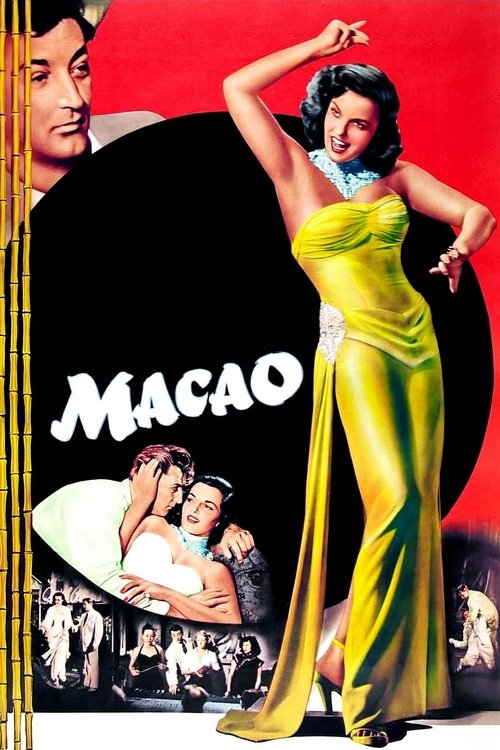
Macao is a mid-century crime drama that emphasizes its atmospheric and noir elements over challenging social norms. The story focuses on individual redemption and romantic tension within a local criminal underworld. The film uses an exotic setting to create atmosphere but does not delve into nuanced, multi-layered representation. The focus is on style rather than deconstructing demographic hierarchies. The reliance on a homogeneous central cast and the absence of a systemic examination result in a traditional, non-challenging narrative approach.
Category Breakdown
The film follows the heterosexual norms typical of 1950s movies. It does not show any non-binary gender identities or same-sex relationships.
The main female character's influence is tied to her relationship with the male protagonist and the moral conflicts between them. The power dynamics follow traditional mid-century gender roles.
The story centers around a mostly white cast. Local characters are used more as part of the setting rather than being given depth or ability to act.
The movie portrays a world of gambling and deceit but does not critically examine capitalism or religion. Morality is shown as personal rather than challenging societal norms.
There are no visible representations of physical, sensory, or neurodivergent conditions within the main cast or storyline.
Present on Screen
Limited or Absent
Official Synopsis
Nick Cochran, an American in exile in Macao, has a chance to restore his name by helping capture an international crime lord. Undercover, can he mislead the bad guys and still woo the attractive singer/petty crook, Julie Benson?
1937
1932
1957
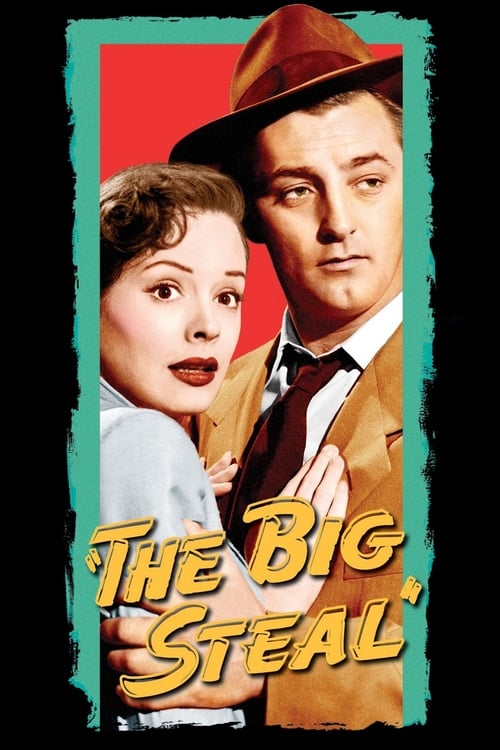
1949
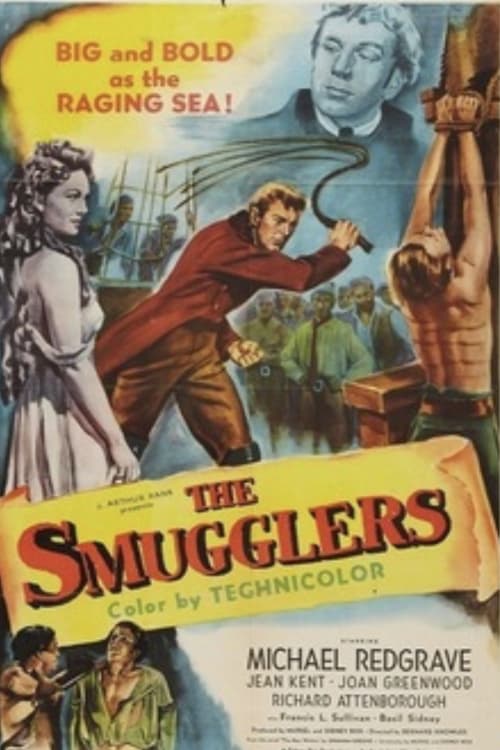
1947
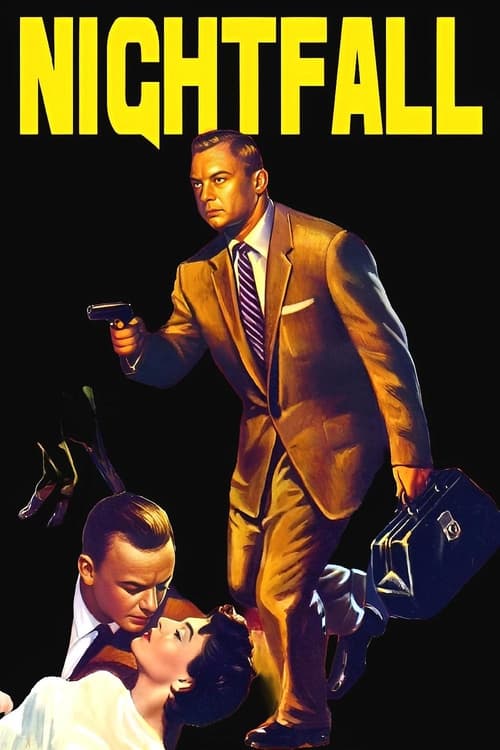
1956
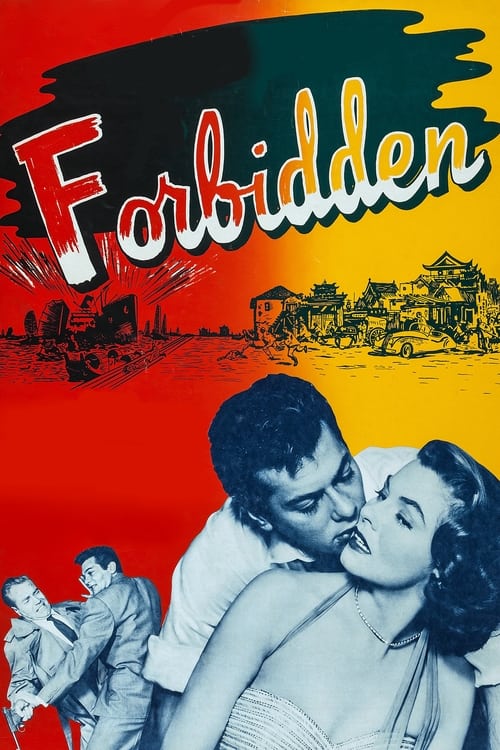
1953

1938
No reviews yet. Be the first to share your thoughts on this movie!
Use the rating form above to leave a star rating and optional review.