
Akeelah and the Bee
2006
No user ratings available yet
Representation score: 4.1 out of 10
Representation Score
Fair
2000
PG-13Director
Mimi Leder
Runtime
122 minutes
Average Rating
No ratings yetNew Showbiz Analysis
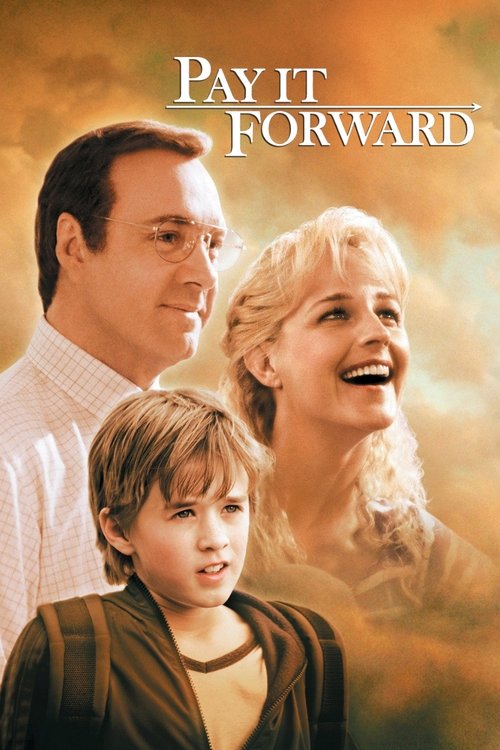
Pay It Forward offers a progressive critique of social apathy and the shortcomings of traditional institutions. It highlights the deconstruction of the idealized Western family and emphasizes individual ability to act to overcome systemic issues. However, the film adheres to the conventional cinematic norms of its time. Its demographic profile is largely homogeneous, with limited engagement with racial, ethnic, or LGBTQ+ diversity. While the film addresses psychological trauma and gendered struggles effectively, it misses opportunities for broader characters who reflect more than one aspect of diversity. It focuses more on a domestic tragedy than a diverse social landscape.
Category Breakdown
The film does not include LGBTQ+ identities or relationships that go beyond the assumption that everyone is straight. Character dynamics focus on traditional family breakdowns and social interactions centered around heterosexual relationships.
Arlene's character explores female autonomy and recovery in the face of personal trauma. However, the film does not significantly challenge traditional masculine roles, focusing instead on depicting the father as a source of domestic dysfunction.
The setting reflects a homogeneous suburban American community. The narrative emphasizes class-based struggles over the intersection of race and ethnicity, leading to a lack of ethnic diversity.
The story critiques Western individualism by suggesting that traditional institutions are inadequate. It presents the family unit as a place of trauma rather than stability, challenging the idealized family structure.
Addiction and alcoholism are examined through a neuro-psychological perspective. These elements support the melodramatic plot rather than giving characters with specific chronic conditions a sense of control and ability to act.
Present on Screen
Limited or Absent
Official Synopsis
Like some other kids, 12-year-old Trevor McKinney believed in the goodness of human nature. Like many other kids, he was determined to change the world for the better. Unlike most other kids, he succeeded.
2006

1992

2020
2003

2008

1999
2009

2013
No reviews yet. Be the first to share your thoughts on this movie!
Use the rating form above to leave a star rating and optional review.