American Underdog
2021
No user ratings available yet
Representation score: 0.3 out of 10
Representation Score
Limited
2009
PG-13Director
John Lee Hancock
Runtime
129 minutes
Average Rating
No ratings yetNew Showbiz Analysis
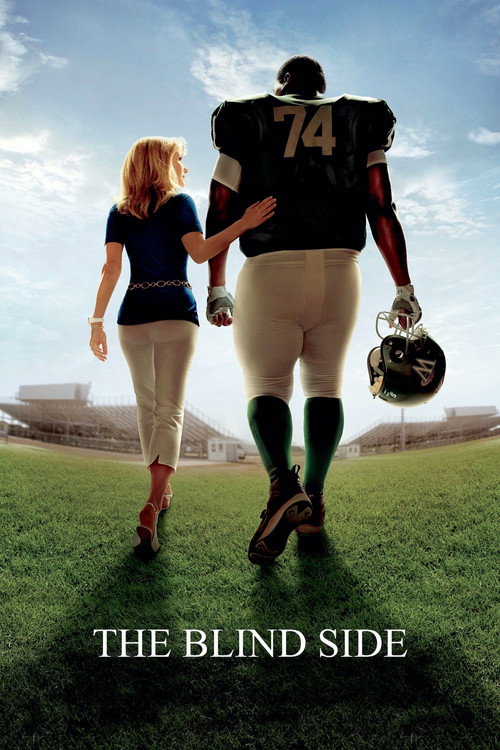
The Blind Side utilizes a diverse lead cast to tell a story that ultimately validates traditional social and institutional hierarchies. While it provides visibility for a Black lead, the narrative structure prioritizes the benevolence of the dominant class over the deconstruction of systemic inequities. The film functions as a traditional drama where the stabilization of a underrepresented individual is achieved through the intervention of established socioeconomic institutions. This approach reinforces existing power structures rather than challenging them. Ultimately, the film's success is framed through integration into conventional social and economic frameworks, presenting the nuclear family and wealth as the primary means of social salvation.
Category Breakdown
The film does not include any visible LGBTQ+ characters or explore non-straight identities. The story operates entirely within a framework that assumes everyone is straight and cisgender.
Leigh Anne Tuohy is portrayed as a commanding and assertive matriarch who challenges passive feminine clichés. However, her role remains tied to preserving the traditional family structure.
While featuring a Black protagonist, the story focuses on individual benevolence rather than systemic issues. The protagonist's role often remains secondary to the moral arc of the white characters.
The film celebrates traditional Western institutions like capitalism and the nuclear family. It presents social integration into existing economic structures as the primary engine of salvation.
The protagonist's trauma and socioeconomic hardships are used primarily as catalysts for the growth of privileged characters. His struggles are framed as a device for the white family's emotional development.
Present on Screen
Limited or Absent
Official Synopsis
The story of Michael Oher, a homeless and traumatized boy who became an All American football player and first round NFL draft pick with the help of a caring woman and her family.
2021
2003
2006
1962
2013
2020
2003

2020
No reviews yet. Be the first to share your thoughts on this movie!
Use the rating form above to leave a star rating and optional review.