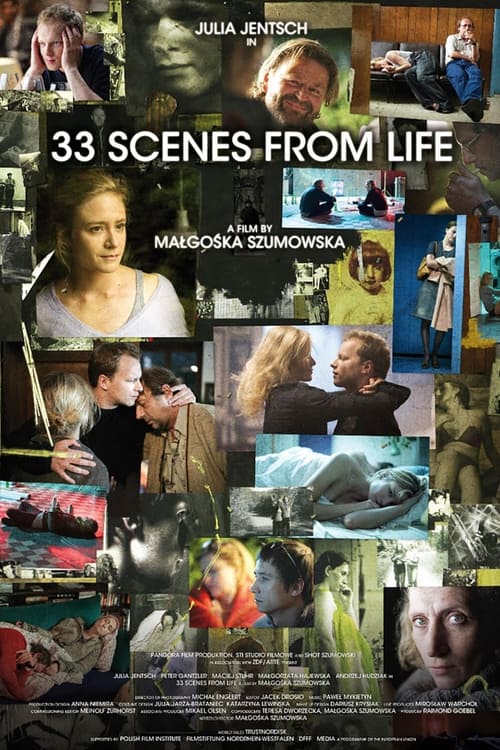
33 Scenes from Life
2008
No user ratings available yet
Representation score: 7.3 out of 10

Representation Score
Good
2003
Director
Reza Bagher
Runtime
105 minutes
Average Rating
No ratings yetNew Showbiz Analysis
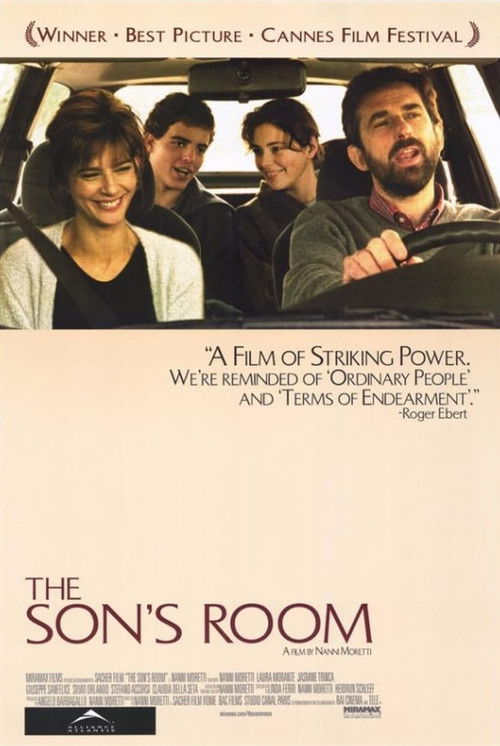
Capricciosa primarily serves as a character study on the fragility of conventional social structures. It emphasizes the deconstruction of the nuclear family rather than promoting diverse identities. The film's strength lies in its subversion of the 'competent patriarch' cliché and its realistic portrayal of illness. It avoids sentimental clichés, focusing instead on the emotional consequences of a family's systemic collapse. However, the narrative lacks explicit representation of LGBTQ+ characters or non-straight relationships. It also does not provide clear details about racial or ethnic diversity within the cast. The focus on a domestic crisis limits broader storytelling that reflects multiple aspects of identity opportunities.
Category Breakdown
The film centers on a traditional nuclear family dealing with a medical crisis. There are no explicit mentions of LGBTQ+ characters or non-straight relationships.
The story challenges the typical strong patriarch figure by showing the father as a source of instability. This portrayal highlights the breakdown of traditional gender roles.
Set in a Malmö suburb, the film hints at a possible shift from homogeneous storytelling due to the director's background. However, specific racial dynamics within the family are not detailed.
The narrative questions the stability of the traditional Western family unit. It explores how grief and loss can corrupt and dismantle conventional family bonds.
A terminal cancer diagnosis drives the plot. The film realistically portrays the impact of chronic illness on a family without resorting to sentimentality.
Present on Screen
Limited or Absent
Official Synopsis
Henrik is seventeen years old and dreams of becoming a professional soccer player. He lives with his parents and two siblings, Johanna and Oliver, in a suburb of Malmö. They live a happy life filled with warmth and love, but their existence is about to undergo a drastic change. Henrik's mother has been diagnosed with cancer, and one day the unthinkable and inevitable happens. Their whole world is turned upside down and the family's relationships are put to the test. Although Henrik's father tries to keep the family together, his grief over the loss of his wife becomes overwhelming and his betrayal of his children is severe.
2008

2011
1995
2001

2006

2004
2005
2011
No reviews yet. Be the first to share your thoughts on this movie!
Use the rating form above to leave a star rating and optional review.