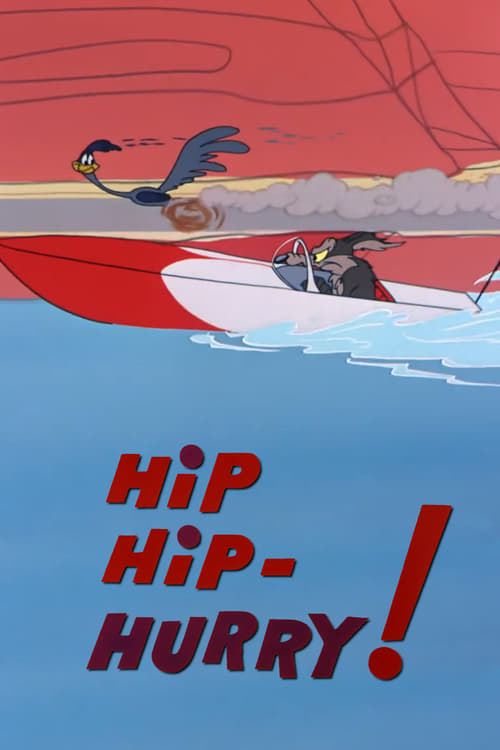
Hip Hip-Hurry!
1958
No user ratings available yet
Representation score: 2.8 out of 10
Representation Score
Limited
1954
NRDirector
Chuck Jones
Runtime
7 minutes
Average Rating
No ratings yetNew Showbiz Analysis
This mid-century animation emphasizes kinetic comedy and archetypal conflict over social representation. The story revolves around the Coyote's repeated failures to catch the Road Runner. While the film avoids direct social commentary, it subtly critiques consumerism through the Coyote's reliance on Acme products. The characters are presented as biological archetypes rather than subjects of identity. Ultimately, the work lacks the depth and systemic critique found in modern narratives, focusing instead on the protagonist's existential struggle.
Category Breakdown
The film centers on a predator-prey relationship between two non-human species and does not include any representation of LGBTQ+ identities or non-cisgender gender expressions.
The movie lacks female characters and focuses on biological conflict, presenting a strictly masculine-coded framework of aggression and evasion.
The characters are anthropomorphized animals living outside human social structures. The slapstick nature of the conflict does not address issues related to racial or ethnic diversity.
The film hints at a mild skepticism towards industrial capitalism through the use of Acme products but does not engage with broader critiques of religious or Western institutions.
Physical trauma and the use of vitamins are used as comedic devices, framing bodily inadequacy as a humorous element rather than a serious depiction of lived disability or neurodivergence.
Present on Screen
Limited or Absent
Official Synopsis
A Burmese tiger trap, a pop-up steel wall, a motorcycle, and a box of Acme-brand leg-building vitamins can't help the Coyote (Eatibus anythingus) catch the Road Runner (Hot Rodicus supersonicus).
1958
1956
1961
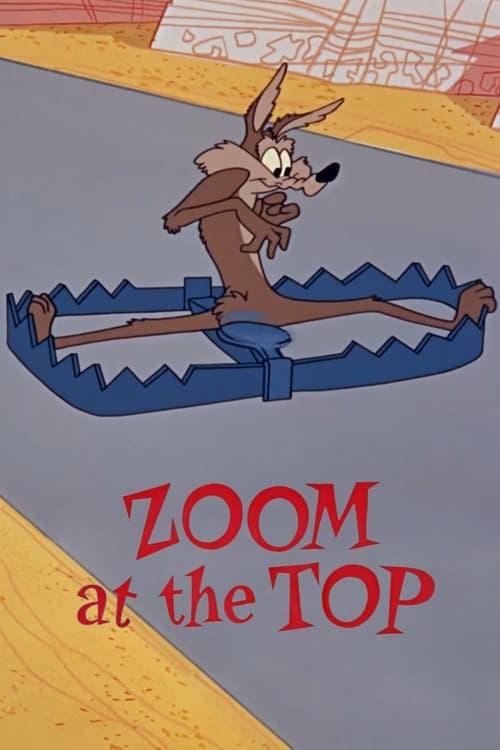
1962
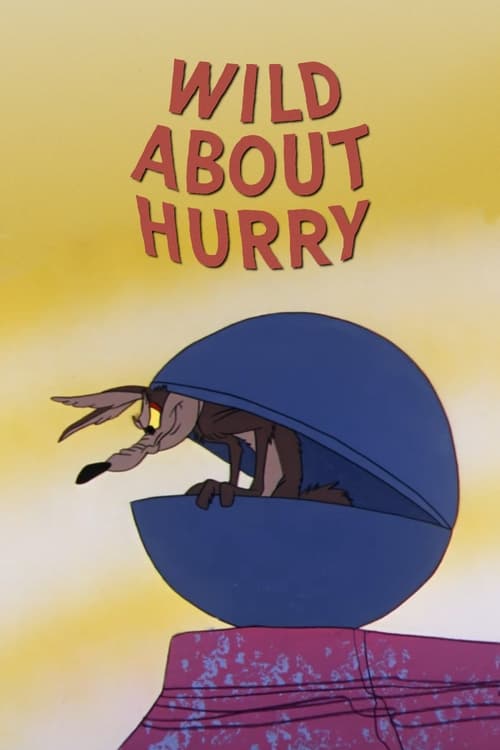
1959
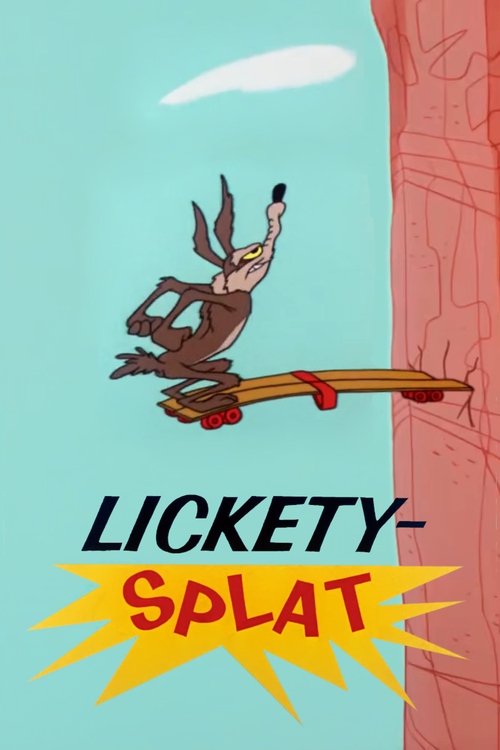
1961
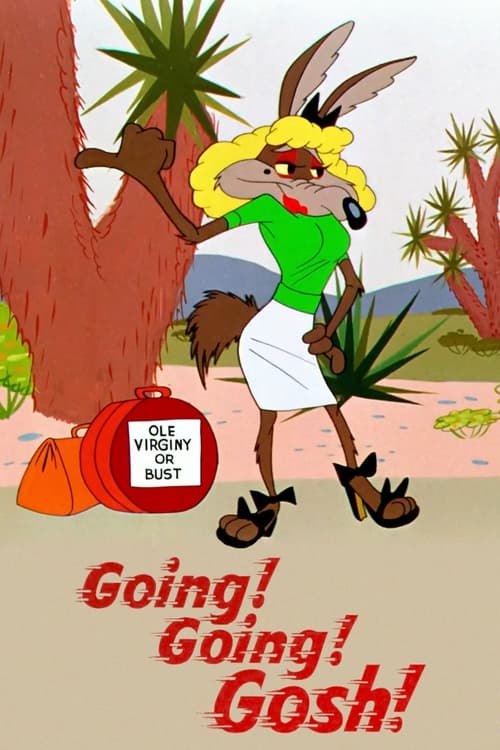
1952
1956
No reviews yet. Be the first to share your thoughts on this movie!
Use the rating form above to leave a star rating and optional review.