Of Feline Bondage
1965
No user ratings available yet
Representation score: 0.6 out of 10
Representation Score
Limited
1967
ApprovedDirector
Chuck Jones
Runtime
7 minutes
Average Rating
No ratings yetNew Showbiz Analysis
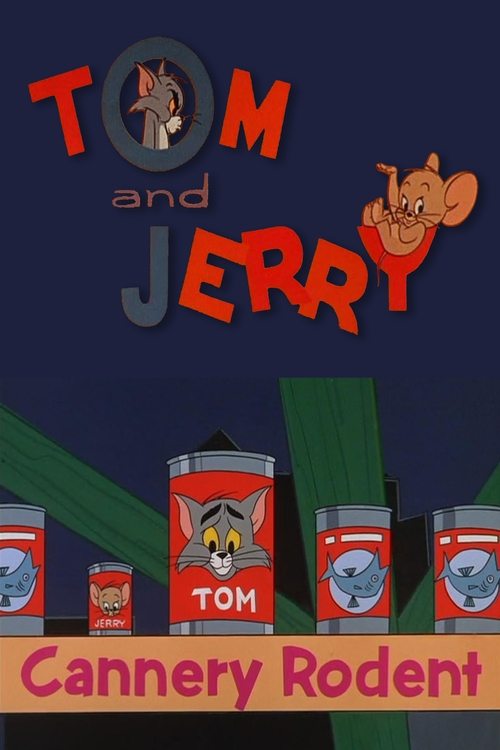
Cannery Rodent is a classic kinetic animation centered on the cyclical conflict between Tom and Jerry. The narrative prioritizes physical comedy and situational irony over complex character development or identity-based themes. Because the characters are anthropomorphic animals, the film avoids human social structures entirely. This results in a lack of representation across most demographic categories, as the story functions through archetypal predator-prey dynamics rather than social commentary. The film is a product of mid-century animation, focusing on slapstick pacing and visual storytelling. It does not engage with the overlapping aspects of identity or the subversion of social hierarchies.
Category Breakdown
The film focuses entirely on a predatory and prey dynamic between two animals. There are no depictions of non-straight or non-cisgender identities or same-sex relationships.
The characters are non-human animals defined by their roles in a chase. The narrative lacks any challenge to traditional gender roles or social hierarchies.
The animated short features anthropomorphic animals in a cannery setting. It lacks a human cast to evaluate for racial or ethnic diversity.
The setting depicts a capitalist industrial environment. While it shows characters interacting with machinery, it lacks an intentional examination of cultural institutions.
The slapstick comedy relies on standard clichés like falling and biting. There is no representation of neurodivergence or physical impairment.
Present on Screen
Limited or Absent
Official Synopsis
Tom chases Jerry into a fish cannery; they get sealed into cans. Tom breaks out, but falls off a pier as the cans roll under him. A shark chases him out of the water; Tom drops an anchor on the shark. Meanwhile, Jerry has been hopping in his can; Tom opens it, and puts his finger in, which Jerry bites. Jerry tricks Tom into falling off the end of another pier, and right into the shark's path again. The shark manages to get Tom into a very precarious position, barely holding the jaws apart. Jerry takes pity, and dumps a shaker full of pepper into the shark, which ends up on the processing line and stuffed into a huge can. Tom is unrepentant, so Jerry tricks him with a fake shark fin.
1965
1965
1967
1963
1951
1958
1946
1965
No reviews yet. Be the first to share your thoughts on this movie!
Use the rating form above to leave a star rating and optional review.