
Say a Word for the Poor Hussar
1980
No user ratings available yet
Representation score: 1.2 out of 10
Representation Score
Fair
2008
Director
Horațiu Mălăele
Runtime
87 minutes
Average Rating
No ratings yetNew Showbiz Analysis
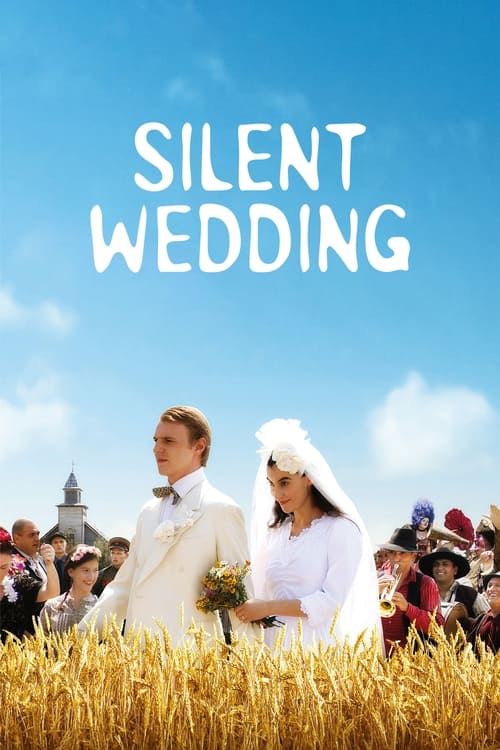
Silent Wedding functions as a historical allegory rather than a detailed exploration of demographic diversity. Its depth comes from critiquing systemic oppression and dismantling state-imposed social norms. The film uses the specific geopolitical moment—the death of Stalin—to examine how totalitarian regimes impact personal milestones. This provides a meaningful commentary on the vulnerability of social institutions. However, the film remains confined to traditional social structures, lacking explicit representation of modern identity politics or diverse demographic markers.
Category Breakdown
The film does not include explicit LGBTQ+ narratives or characters with non-straight identities. The plot revolves around a traditional wedding, adhering to conventional romantic structures.
The story employs a traditional gender binary through its main characters, a bride and groom. Political forces interfere with their ability to act independently, challenging typical romantic clichés through situational irony.
Set in Communist-era Romania, the cast reflects the era's cultural homogeneity. While the film lacks racial diversity, this aligns with the historical context.
The film offers a strong critique of totalitarianism. It uses a communal wedding ritual to show how state power can disrupt fundamental human connections.
There are no characters with visible or invisible disabilities in the narrative.
Present on Screen
Limited or Absent
Official Synopsis
In a small village of Communist-era Romania a young couple wish to marry, but Joseph Stalin dies the night prior to their wedding ceremony forcing the bride and groom to marry in silence.
1980
2006
1978

2011
2017
1999
1934
1999
No reviews yet. Be the first to share your thoughts on this movie!
Use the rating form above to leave a star rating and optional review.