Silent Wedding
2008
No user ratings available yet
Diversity score: 5.5 out of 10
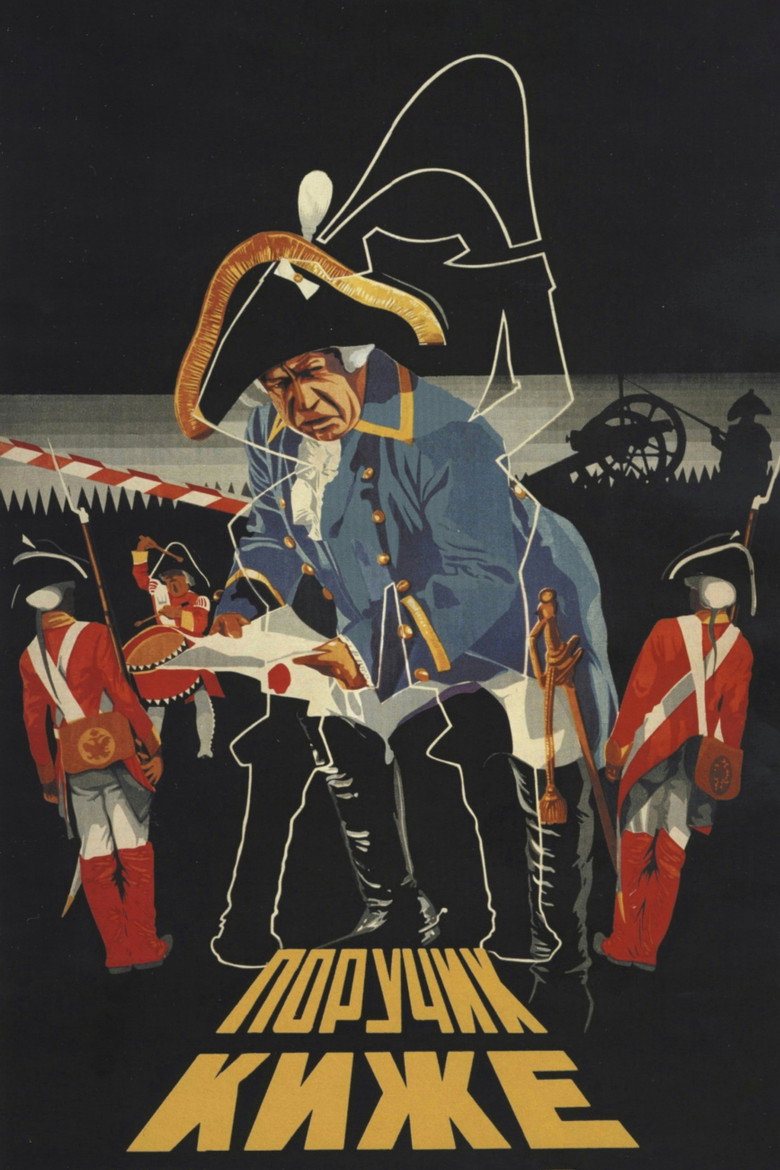
1934
Director
Alexandr Faintsimmer
Runtime
83 minutes
Average Rating
No ratings yetSynopsis
A copying error by a military scribe turns the Russian words "the lieutenants, however" into what looks like "lieutenant Kizhe". The Tsar reads the error, and wants to meet this (non-existent) lieutenant. The courtiers, eager to avoid the wrath of the temperamental Tsar, create a Kizhe to serve as their royal scapegoat.
Overall Score
Limited
Category Breakdown
LGBTQ+ Representation
The film lacks any evidence of LGBTQ+ characters or non-heteronormative narratives. The story remains focused on the political and bureaucratic maneuvers of the Tsarist court.
Gender Representation
The narrative centers on male-dominated military and Imperial hierarchies. While it critiques courtly incompetence, it reinforces traditional masculine roles within leadership and service.
Racial & Ethnic Diversity
Set within the Russian Imperial context, the casting and narrative are inherently homogeneous. This reflects the specific demographic norms of the era's aristocracy.
Religious & Cultural Diversity
The film offers a sharp critique of monarchical institutions. It deconstructs the perceived stability of the Imperial state by portraying the Tsar as temperamental and the courtiers as deceptive.
Disability Representation
There is no documented evidence of characters with visible or invisible disabilities in this work.
Strengths
Areas for Improvement
AI Analysis
Lieutenant Kizhe is a historical satire that prioritizes systemic critique over demographic variety. The film uses a linguistic error to expose the fragility of autocratic power and the corruption of the ruling class. While the film lacks modern intersectional representation in terms of gender and race, it succeeds as a social commentary. It subverts the myth of absolute monarchical truth by showing how institutions manufacture reality to protect themselves. Ultimately, the film's value lies in its ability to disrupt the 'divine right' narrative through a lens of bureaucratic dysfunction.
No reviews yet. Be the first to share your thoughts on this movie!
Use the rating form above to leave a star rating and optional review.
