Frauen sind für die Liebe da
1957
No user ratings available yet
Representation score: 0.5 out of 10

Representation Score
Minimal
1958
16Director
Thomas Engel
Average Rating
No ratings yetNew Showbiz Analysis
The film presents a conventional domestic drama centered on a married couple. The wife acts as the moral anchor, while the husband requires her guidance to resolve their conflict. The narrative upholds traditional values, treating the nuclear family and Christian ethics as the foundation for happiness. The cast is entirely white, reflecting the era’s social norms. There are no LGBTQ+ characters, same-sex relationships, or disabled individuals. The story focuses on private morality and marital duty, avoiding broader social or political commentary. The story ends with reconciliation, reinforcing the idea that a stable home, maintained through mutual respect and duty, is the source of true contentment. The framing is straightforward, with no subversion of traditional gender or family structures.
Category Breakdown
No same-sex romance or LGBTQ+ characters appear in this 1958 domestic comedy. The narrative focuses exclusively on heterosexual marital dynamics and family life.
The wife serves as the moral and emotional center, managing the household with dignity. The husband is framed as needing guidance or correction to restore domestic stability.
The cast consists entirely of white German actors. The story takes place in a homogeneous post-war West German setting with no non-white characters.
The nuclear family is treated as the primary source of value and happiness. Christian moral norms regarding duty, fidelity, and forgiveness form the unchallenged background of the plot.
No characters with disabilities are depicted. The plot relies on emotional and relational conflicts rather than physical or mental health conditions.
Present on Screen
Limited or Absent
1957

1957
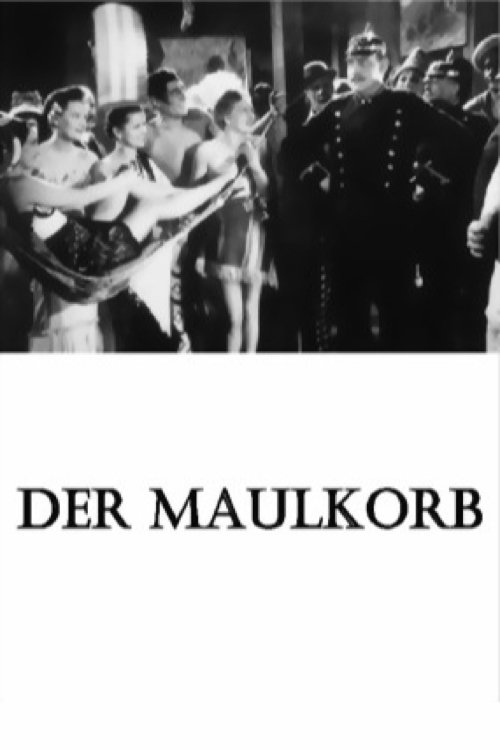
1938
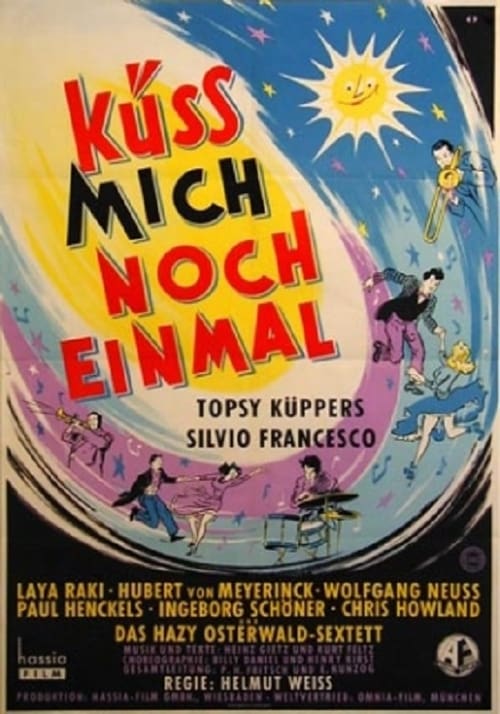
1956
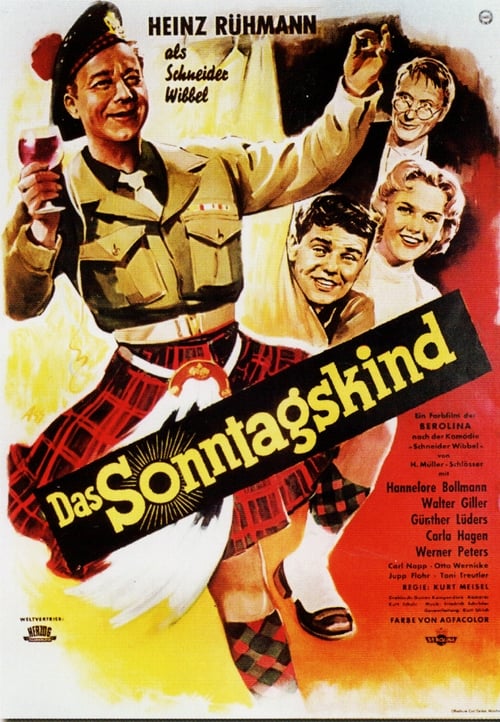
1956
1964
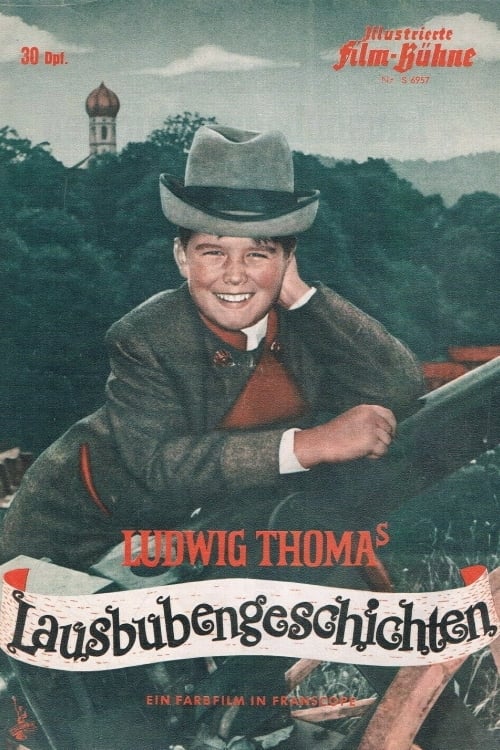
1964

1961
No reviews yet. Be the first to share your thoughts on this movie!
Use the rating form above to leave a star rating and optional review.