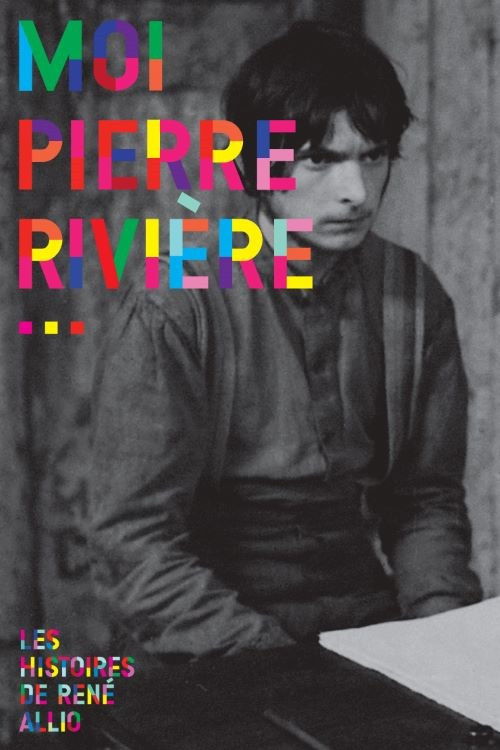
Reconstruction
1970
No user ratings available yet
Representation score: 2.7 out of 10
Representation Score
Limited
1976
Director
René Allio
Runtime
130 minutes
Average Rating
No ratings yetNew Showbiz Analysis
René Allio’s film is an intellectual exploration of institutional power rather than a study in modern demographic diversity. It challenges the sanctity of Western social institutions through its narrative structure. While it lacks modern representation in terms of race and LGBTQ+ identities, it provides a nuanced look at mental instability and the impact of social authority.
Category Breakdown
The film is set in 19th-century rural France and does not include any non-traditional gender or sexual identities.
The story follows a traditional patriarchal structure but disrupts the family stability by focusing on the violent breakdown of the domestic sphere.
The film focuses on a homogeneous, white, rural French population and does not include any diverse racial or cultural representation.
The film critiques traditional Western institutions such as the legal system, portraying them as oppressive rather than moral.
The protagonist's mental state is a central theme, explored deeply as a complex driving force rather than a simple plot device.
Present on Screen
Limited or Absent
Official Synopsis
Based on documents compiled by leading French philosopher Michel Foucault, this unique and original film charts the gruesome events which took place in a Normandy village in 1835, when a young man, Pierre Rivière, murdered his mother, sister and brother before fleeing to the countryside. With a cast made up of real-life villagers from the area where the events took place, the detailed re-enactments and careful attention to the gestures of their ancestors serve to create an intense and sometimes disturbing atmosphere of hyper-realism. Details of the crime and of the trial that followed are told from varied perspectives, including the written confession of Pierre himself, and form a rich and complex narrative that interrogates the concepts of “truth” and “history”.
1970
1962
1997
2010

1976
1971

2005
1996
No reviews yet. Be the first to share your thoughts on this movie!
Use the rating form above to leave a star rating and optional review.