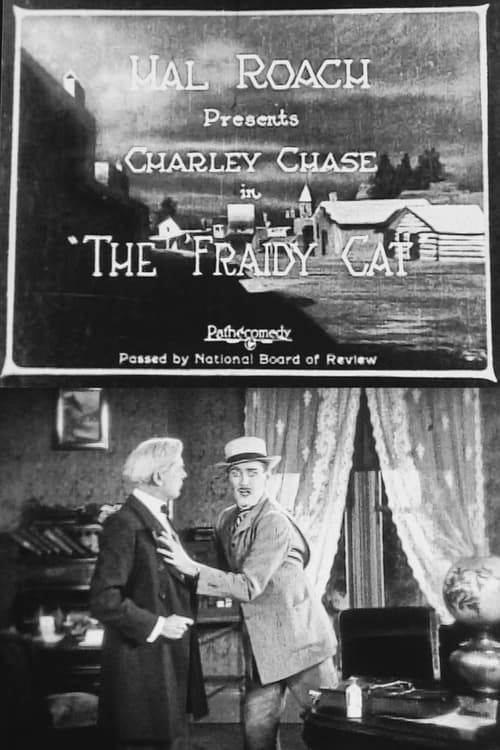
The 'Fraidy Cat
1924
No user ratings available yet
Representation score: 2.3 out of 10
No Poster Available
Representation Score
Limited
1912
Director
Max Linder
Runtime
2 minutes
Average Rating
No ratings yetNew Showbiz Analysis
Max Linder's short film is a historical example of early physical comedy rather than a modern representation of diverse identities. The narrative is centered on a single character's phobia, limiting the scope for diverse perspectives. While the protagonist's vulnerability offers a subtle challenge to traditional masculinity, the film remains anchored in the demographic norms of early 20th-century European cinema. It lacks intentional engagement with social or political issues. Ultimately, the film serves as a foundational piece of the gentleman comedian archetype, prioritizing slapstick mechanics over the deconstruction of systemic hierarchies or diverse identity representation.
Category Breakdown
The film does not include any LGBTQ+ characters or stories. It focuses solely on a single character's journey, which involves a phobia.
The story revolves around the male protagonist's physical struggles. Although his intense fear challenges the stereotype of stoic masculinity, the absence of female characters prevents a deeper exploration of gender dynamics.
The film features a cast that reflects the homogeneity typical of early 20th-century European cinema. There is no indication of a diverse cast or the use of non-human characters as racial metaphors.
The narrative adheres to a traditional slapstick framework. It avoids criticizing Western institutions or religion, focusing instead on situational humor and physical comedy.
The film portrays a phobia, which can be considered a psychological condition. However, it emphasizes comedic elements over a nuanced exploration of the condition.
Present on Screen
Limited or Absent
Official Synopsis
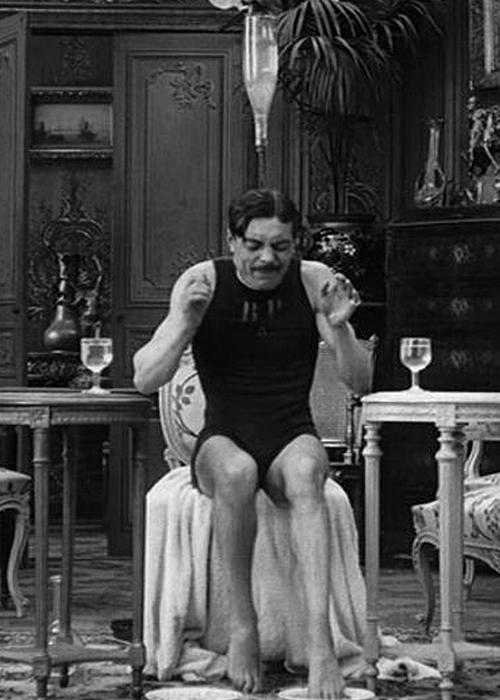
Max, who fears dogs, is chased by them through the city, over walls, and even up a chimney and onto a roof.
1924
1912

1896

1907
1926

1915

1914
1912
No reviews yet. Be the first to share your thoughts on this movie!
Use the rating form above to leave a star rating and optional review.