Chance and Love
1915
No user ratings available yet
Representation score: 0.9 out of 10
Representation Score
Fair
1912
Director
Max Linder
Runtime
14 minutes
Average Rating
No ratings yetNew Showbiz Analysis
Max Linder’s 1912 comedy offers a fascinating look into early character-driven storytelling. While constrained by the limitations of its time, the film successfully disrupts the rigid patriarchal structures common in early 20th-century cinema. The film stands out by presenting a vulnerable male lead and a female character with significant influence over the relationship. This shifts away from traditional domestic roles. However, the demographic scope is narrow. The film lacks representation of racial and LGBTQ+ identities, and it uses a psychological condition primarily as a comedic tool.
Category Breakdown
The story focuses on a heterosexual relationship between Max and Lili. There are no characters with non-cisgender identities.
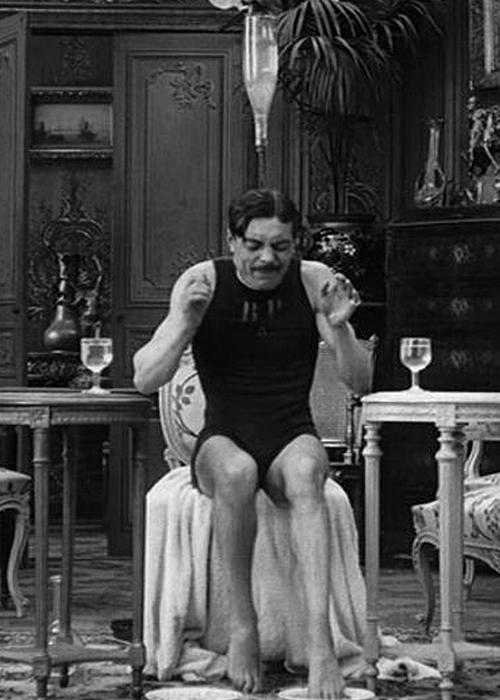
Lili plays a significant role in defining the terms of the relationship. Max challenges the typical stoic masculinity by showing deep vulnerability and fear of water.
The film seems to reflect the homogeneous demographics typical of early French silent cinema. It does not feature a multi-ethnic cast or non-Anglo-Saxon characters.
The conflict stems from personal whims and individual desires. This indicates a secular, character-focused storyline rather than one grounded in institutional religious values.
Max's fear of water adds psychological complexity to the main character. However, the condition serves mainly as a comedic element rather than a nuanced exploration.
Present on Screen
Limited or Absent
Official Synopsis
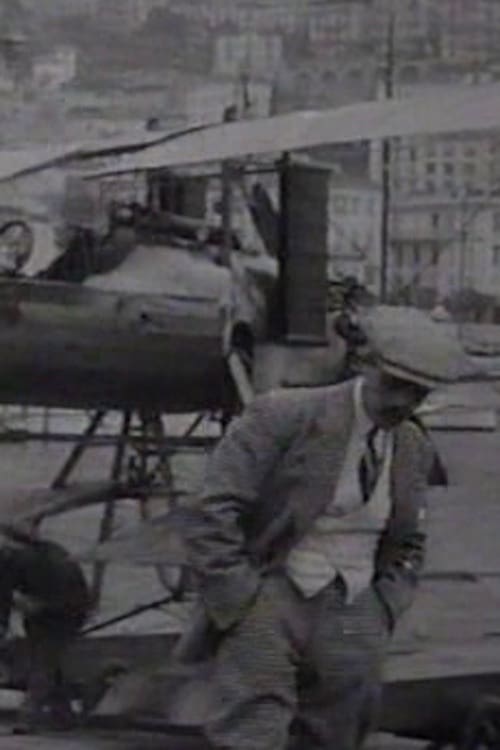
Max is in love with Lili, capricious bride who won't do his will until he has recovered the ring she launched into the sea. But Max is afraid of water...
1915
1927
1912
1926
1913
1914
1914
1913
No reviews yet. Be the first to share your thoughts on this movie!
Use the rating form above to leave a star rating and optional review.