
The Gamblers
1950
No user ratings available yet
Diversity score: 3.6 out of 10
1977
Director
Yan Frid
Runtime
138 minutes
Average Rating
No ratings yetSynopsis
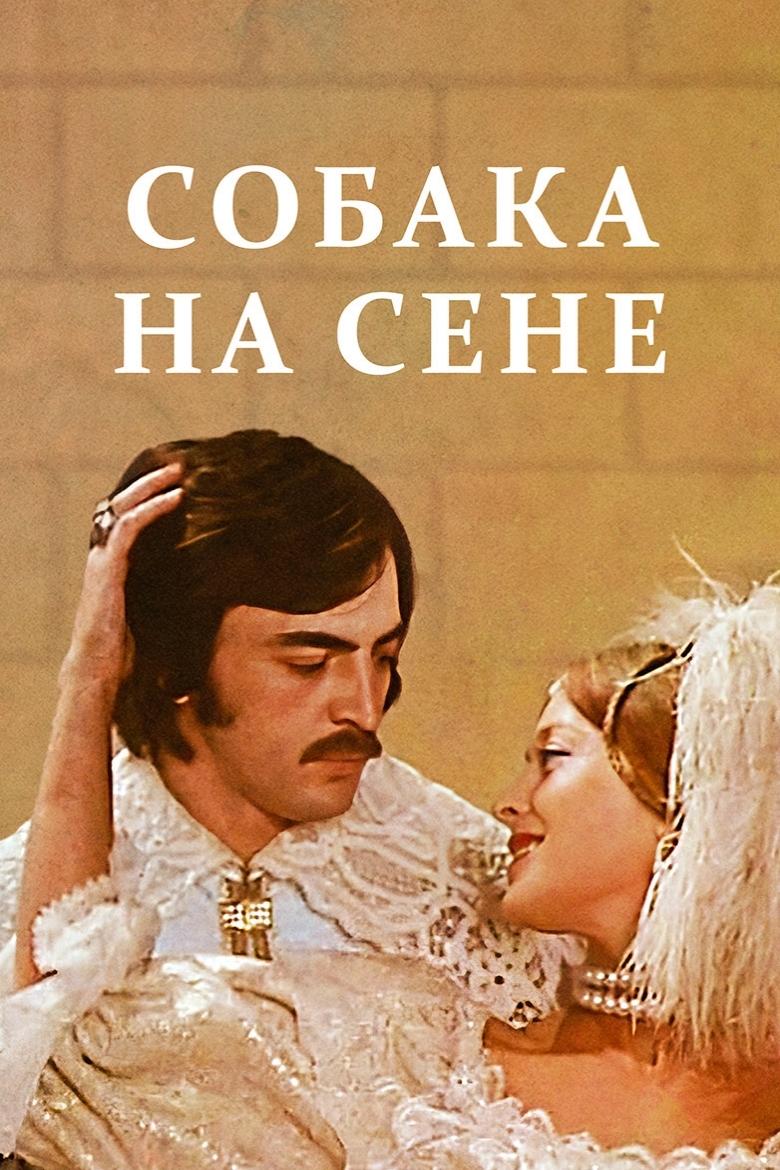
The rich and noble Signora Diana is tormented by doubts: she has to choose between suitors worthy of her hand and her handsome and seductive personal secretary. And the latter, in turn, can not decide who is more to his heart - his charming mistress or her maid...
Overall Score
Fair
Category Breakdown
LGBTQ+ Representation
The film centers on a romantic quadrangle involving a noblewoman, her secretary, and a maid. While the central conflict disrupts traditional courtship patterns, there is no explicit evidence of queer identities or non-cisnormative expressions.
Gender Representation
Signora Diana serves as the primary driver of the plot's emotional stakes through her internal torment. The secretary's indecision also complicates traditional masculine roles of decisive leadership.
Racial & Ethnic Diversity
The setting appears to adhere to traditional historical European social constraints. The narrative focuses on class distinctions between nobility and domestic staff rather than racial or ethnic diversity.
Religious & Cultural Diversity
The story explores the tension between social duty and personal desire. It critiques rigid social hierarchies by prioritizing individualistic morality over strict class-based structures.
Disability Representation
The available narrative details provide no information regarding the portrayal of physical or neurodivergent disabilities.
Strengths
Areas for Improvement
AI Analysis
The film operates as a classic period comedy that uses class friction to drive its plot. It provides a foundation for character development by giving the female lead agency in her own emotional conflict. However, the production remains rooted in a traditional European framework. It lacks explicit intersectional markers or systemic subversions, focusing instead on the established tropes of a romantic comedy of errors. Ultimately, the film's diversity is limited by its historical setting and its focus on conventional romantic structures rather than diverse identity representation.
1950

2014

1970
1976
1970

1950
1977

1980
1979
1983

1961

1974
No reviews yet. Be the first to share your thoughts on this movie!
Use the rating form above to leave a star rating and optional review.