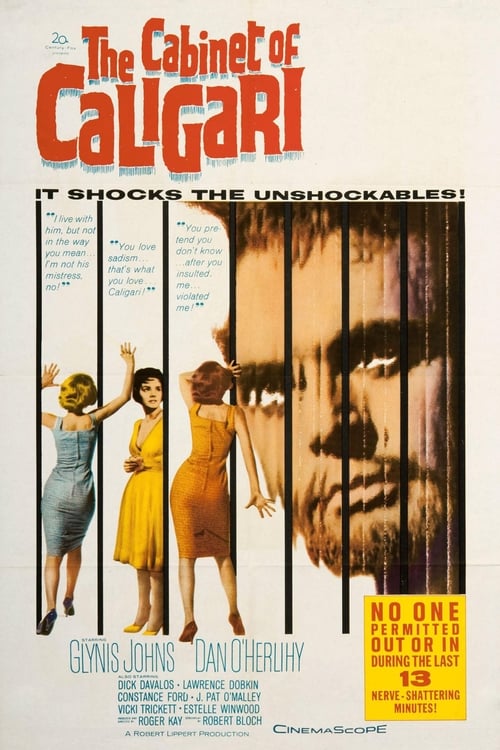
The Cabinet of Caligari
1962
No user ratings available yet
Representation score: 1.6 out of 10
Representation Score
Minimal
1964
ApprovedDirector
Walter Grauman
Runtime
94 minutes
Average Rating
No ratings yetNew Showbiz Analysis
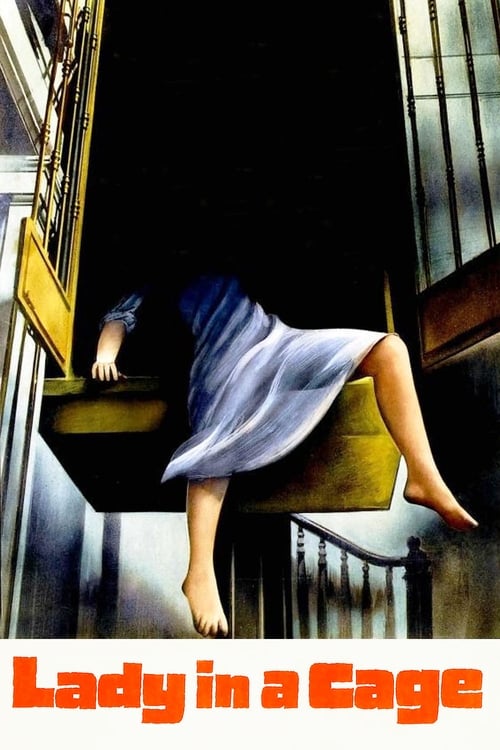
Lady in a Cage is a claustrophobic mid-century thriller that emphasizes genre-standard tension over social complexity. While the film centers on a female lead, it does so through established clichés of domestic vulnerability rather than challenging existing power dynamics. The production reflects the demographic homogeneity of its era, lacking the intentionality needed to introduce perspectives that reflect multiple aspects of identity or disrupt social hierarchies. Ultimately, the film functions as a standard suspense piece that reinforces, rather than subverts, the social and demographic norms of its time.
Category Breakdown
The film does not depict any queer relationships or non-binary identities. The characters adhere to traditional assumptions about gender and sexuality.
Joan Bennett's protagonist plays a central role in driving the narrative, but the story reinforces traditional views of female vulnerability during a domestic crisis.
The cast is predominantly white, reflecting the demographics of its era. There is no multi-layered depth or racialized subtext in the character archetypes.
The narrative operates within a conventional Western moral framework, maintaining a clear binary between law-abiding citizens and criminals.
There is no representation of physical or neurodivergent disabilities. The plot focuses solely on the physical suspense inherent to the thriller genre.
Present on Screen
Limited or Absent
Official Synopsis
A woman trapped in a home elevator is terrorized by a group of vicious hoodlums.
1962
1946

1972

1964

1974

1955

1989

1964
No reviews yet. Be the first to share your thoughts on this movie!
Use the rating form above to leave a star rating and optional review.