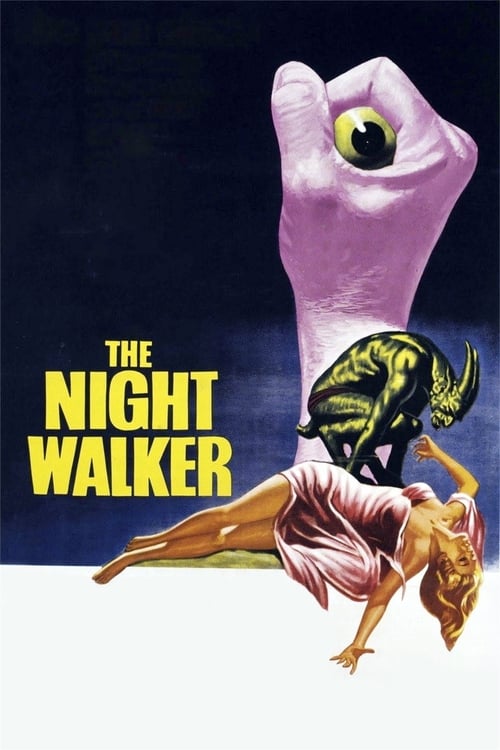
The Night Walker
1964
No user ratings available yet
Diversity score: 1.8 out of 10
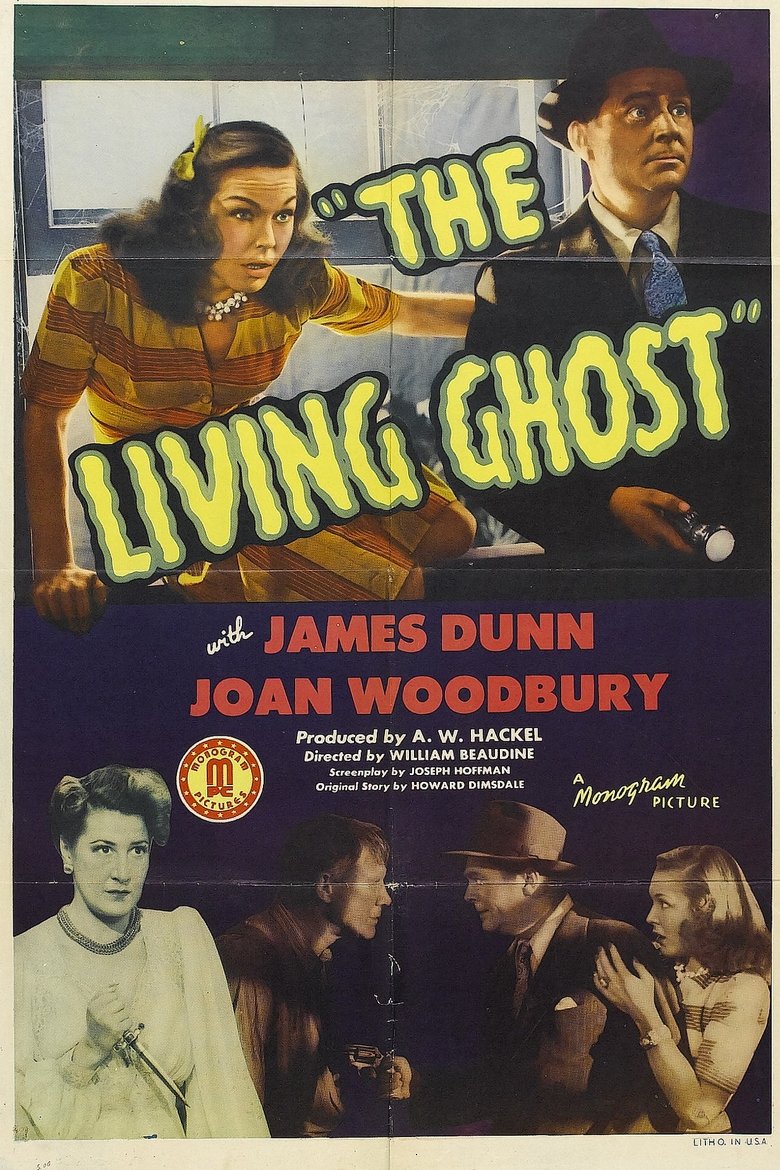
1942
Director
William Beaudine
Runtime
61 minutes
Average Rating
No ratings yetSynopsis
A detective investigating kidnapping case discovers the victim, who may be a zombie.
Overall Score
Limited
Category Breakdown
LGBTQ+ Representation
The film lacks any evidence of non-heteronormative identities. Given the 1942 production date, the narrative likely adheres to the strict social censorship and traditional roles of the era.
Gender Representation
The plot centers on a detective, a role traditionally held by men in this era. While a victim drives the mystery, agency remains with the male investigator.
Racial & Ethnic Diversity
The film likely utilizes a homogeneous white cast typical of 1940s studio productions. There is no indication of significant non-white agency or diverse casting.
Religious & Cultural Diversity
The mystery framework upholds established social orders and moral certainties. The narrative focuses on restoring order through a central authority figure rather than challenging cultural norms.
Disability Representation
The 'zombie' element involves a character with profound physical alterations. However, such portrayals often function as 'othered' plot devices rather than nuanced representations of disability.
Strengths
Areas for Improvement
AI Analysis
The Living Ghost is a product of the 1942 studio system, prioritizing genre conventions over social complexity. The narrative structure follows a standard detective mystery, which reinforces the traditional hierarchies of the era. Representation is limited by the historical context of the Golden Age of Hollywood. The film relies on established tropes, such as the male investigator and the 'othered' supernatural entity, to drive its thriller elements. Ultimately, the film serves as a snapshot of early 1940s cinematic standards, offering little in the way of intersectional depth or subversion of the status quo.
1964
1963
1932
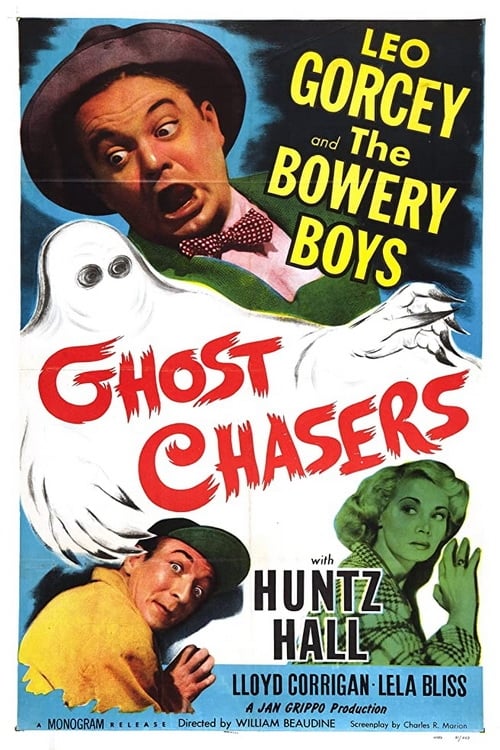
1951
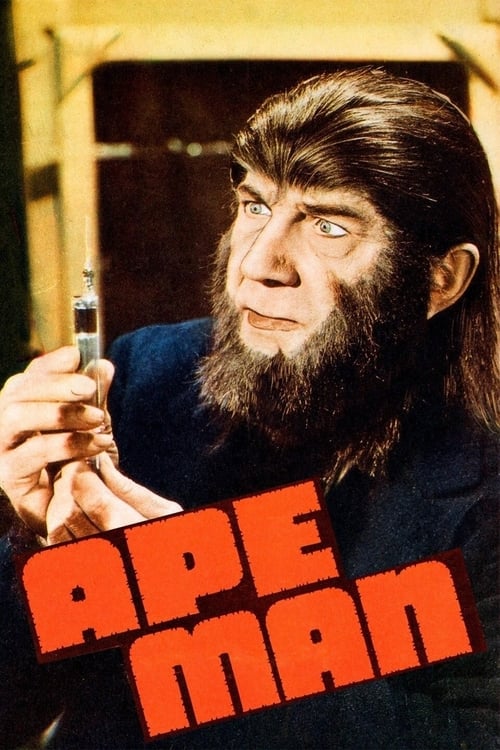
1943
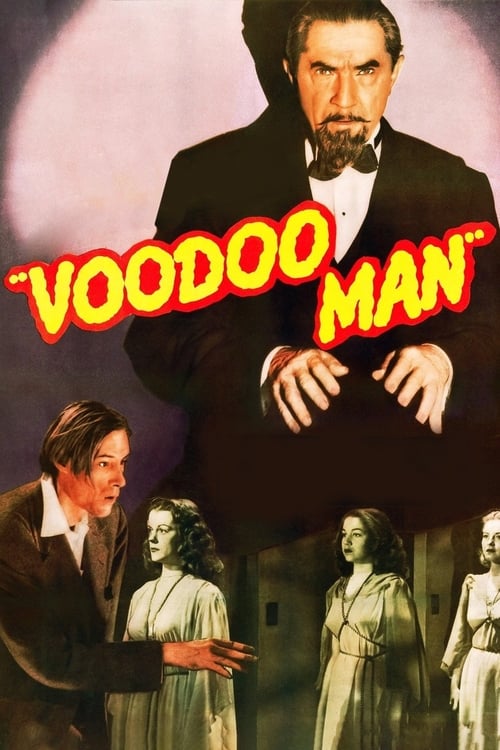
1944
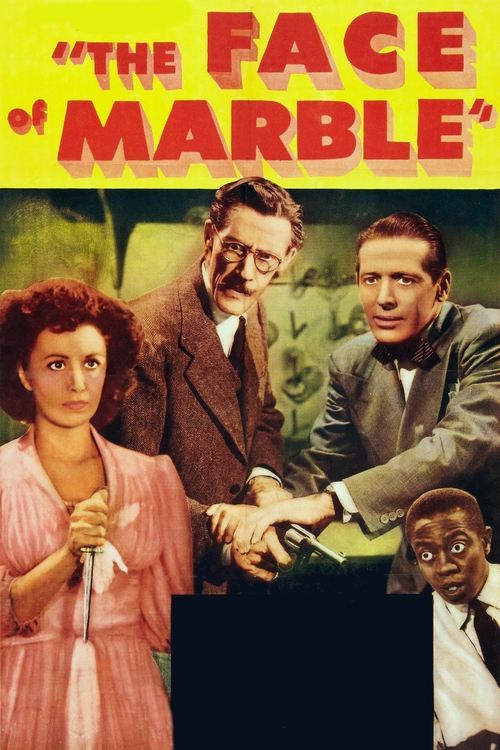
1946
No reviews yet. Be the first to share your thoughts on this movie!
Use the rating form above to leave a star rating and optional review.