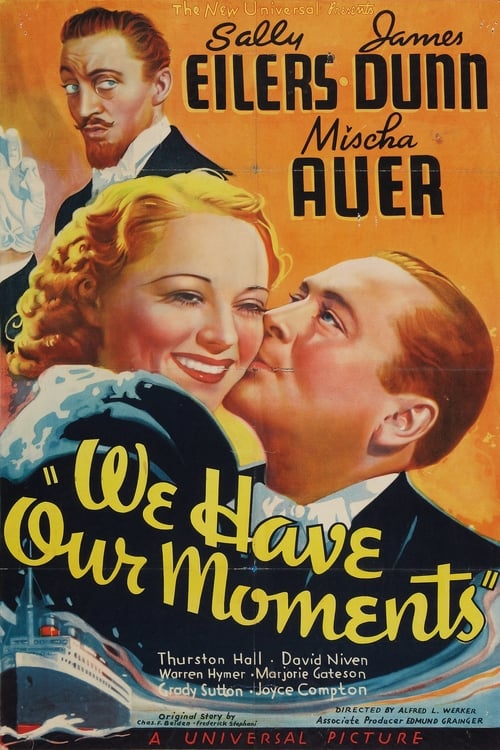
We Have Our Moments
1937
No user ratings available yet
Diversity score: 2.6 out of 10
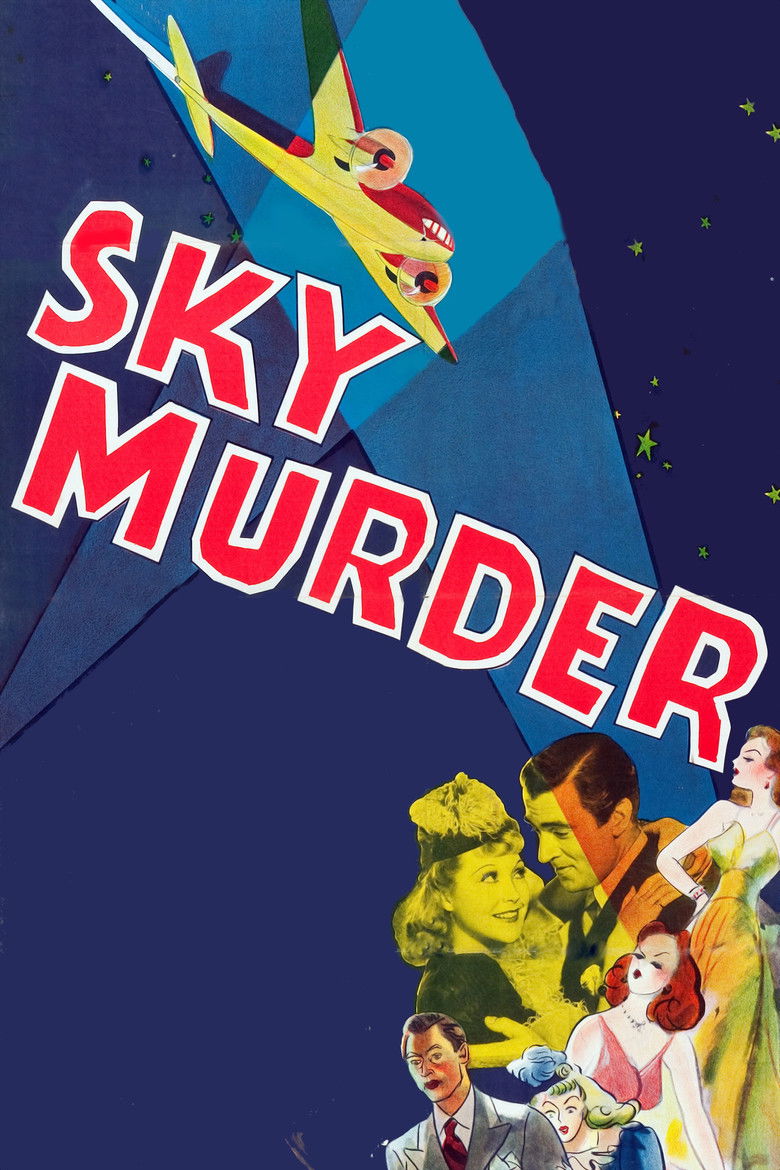
1940
NRDirector
George B. Seitz
Runtime
72 minutes
Average Rating
No ratings yetSynopsis
This final Carter film is a lot of fun, with Nick (unwillingly, at first) taking on a ring of Fifth Columnists (since this was filmed before the US entered the war, we're not told the villains are Nazis, but it's pretty clear anyway). Of course, the helpful and persistent Bartholomew is at his side--much to Nick's irritation. To further complicate things--and to make them still funnier--Joyce Compton is along for the ride too, as a delightfully brainless "detective" named Christine Cross.
Overall Score
Limited
Category Breakdown
LGBTQ+ Representation
The film focuses on traditional romantic dynamics typical of the era. There is no evidence of non-cisnormative identities or narratives that challenge heteronormativity.
Gender Representation
Christine Cross is portrayed as a 'delightfully brainless' detective. This reinforces gender hierarchies by framing female agency through comedic incompetence rather than intellectual parity.
Racial & Ethnic Diversity
The narrative appears to reflect the homogeneous casting standards of 1940s Hollywood. There is no indication of a diverse or non-Anglo-Saxon majority cast.
Religious & Cultural Diversity
The plot centers on a struggle against Fifth Columnists to reinforce patriotism. This framework supports traditional Western social order rather than critiquing established institutions.
Disability Representation
The provided material contains no mention of characters with visible or invisible disabilities.
Strengths
Areas for Improvement
AI Analysis
Sky Murder is a conventional 1940s genre piece that relies heavily on established social and gender archetypes. The narrative structure prioritizes mainstream entertainment and nationalistic themes over social subversion. While the film offers comedic mystery, it reinforces period-specific hierarchies. Female characters are used for comedic effect through tropes of incompetence, and the casting appears to follow the era's demographic norms. Ultimately, the film functions as a product of its time, upholding traditional Western institutional stability and standard romantic dynamics without challenging the status quo.
1937
1932
1935
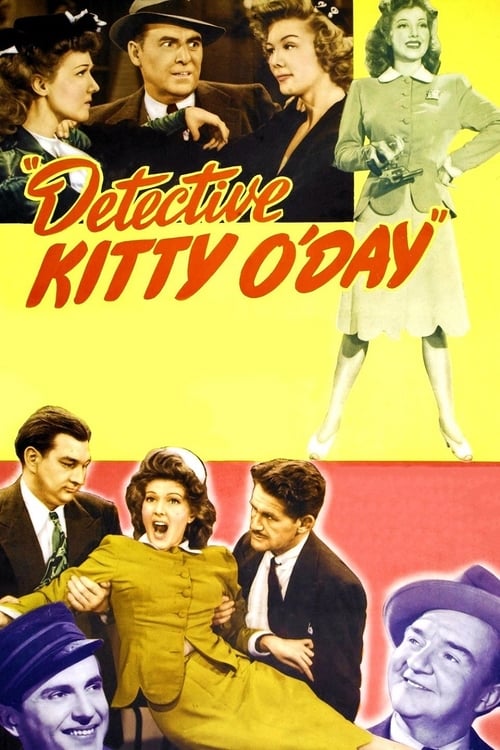
1944
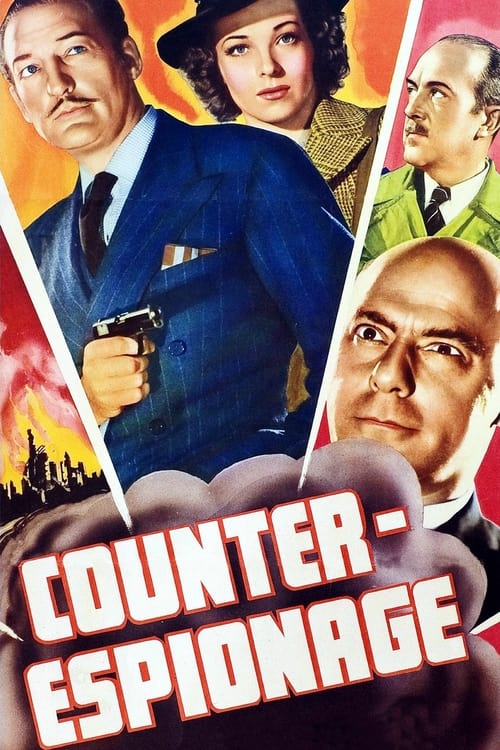
1942
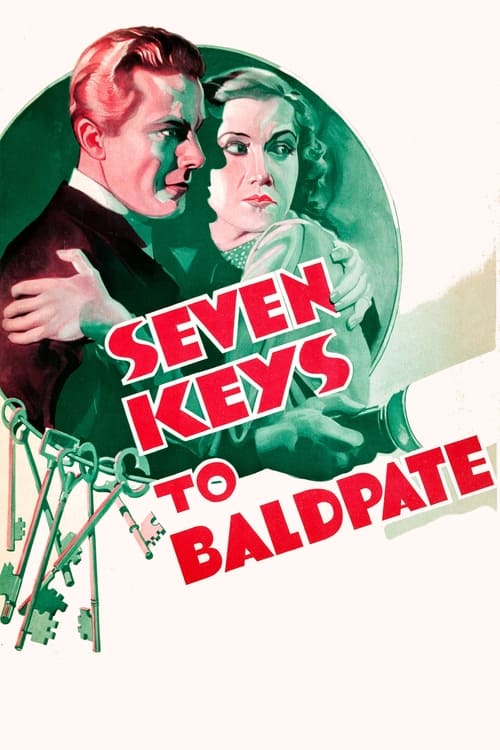
1935
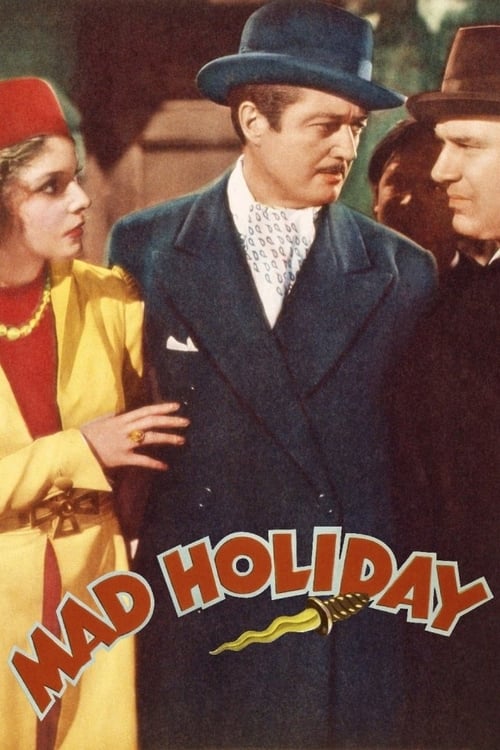
1936
1937
No reviews yet. Be the first to share your thoughts on this movie!
Use the rating form above to leave a star rating and optional review.