
Decent People
2015
No user ratings available yet
Representation score: 3.7 out of 10
Representation Score
Limited
1998
Director
Alla Surikova
Runtime
94 minutes
Average Rating
No ratings yetNew Showbiz Analysis
Alla Surikova's comedy serves as a social satire that prioritizes slapstick and absurdity over addressing diverse identities. While it offers a mild critique of authority by presenting a foreign penal system as a comfortable space, it remains rooted in the demographic homogeneity of the late 1990s. The narrative structure relies on traditional masculine clichés and does not intentionally address LGBTQ+ visibility or female empowerment. It operates within a framework of social satire rather than proactive storytelling centered around identity. Ultimately, the film reflects the social realities of its time, focusing on the protagonist's situational absurdity rather than challenging systemic hierarchies through diverse casting.
Category Breakdown
The film focuses on a male-dominated prison setting with no representation of non-straight or non-cisgender identities. There is no critique of the assumption that everyone is straight or cisgender.
The story emphasizes male perspectives and lacks opportunities for women to take control of their own stories. It portrays the prison as a masculine space that reinforces traditional gender roles.
The cast reflects the region's demographic makeup from the post-Soviet era with no attempt to include actors from different racial backgrounds.
The film uses social satire to mock state institutions and treats the penal system as an absurd space through a postmodern critique of authority.
There is no indication of characters with physical or neurodivergent disabilities. The focus remains on the socioeconomic absurdity of the situation.
Present on Screen
Limited or Absent
Official Synopsis
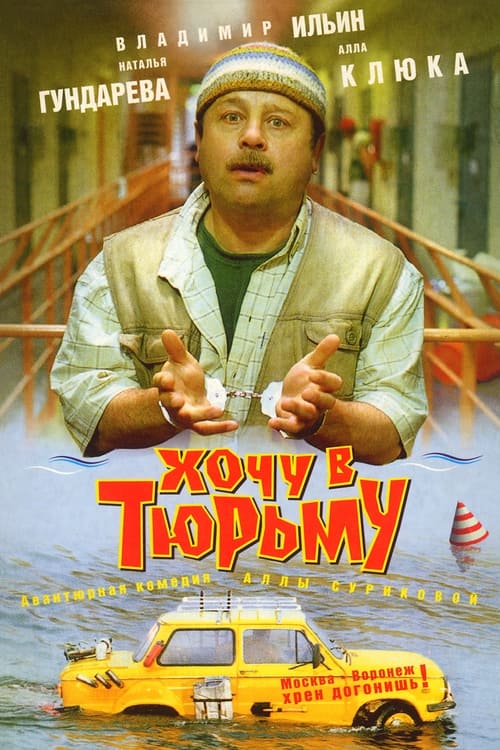
After Semyon helps a man commit a crime, he learns the gravity of his actions and decides to go to jail. But he chooses to get imprisoned in the Netherlands to get some comfort.
2015

1988
1999

2009
1994
2006

2009
1996
No reviews yet. Be the first to share your thoughts on this movie!
Use the rating form above to leave a star rating and optional review.