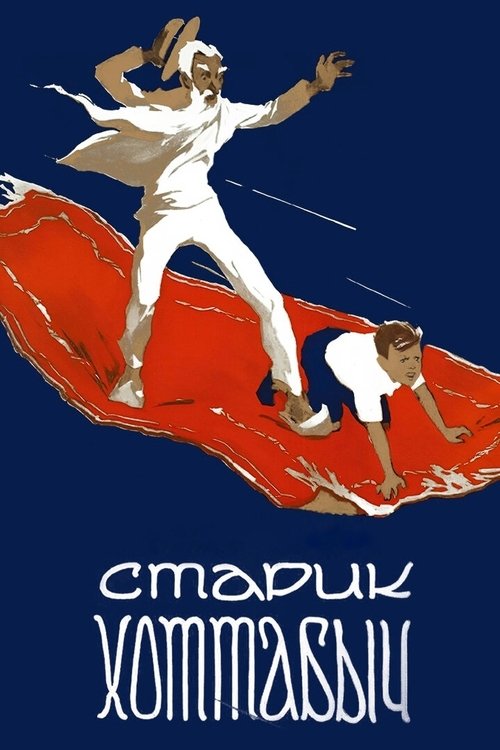
Old Man Khottabych
1957
No user ratings available yet
Representation score: 2.0 out of 10
Representation Score
Minimal
1970
Director
Mikhail Yuzovskiy
Runtime
69 minutes
Average Rating
No ratings yetNew Showbiz Analysis
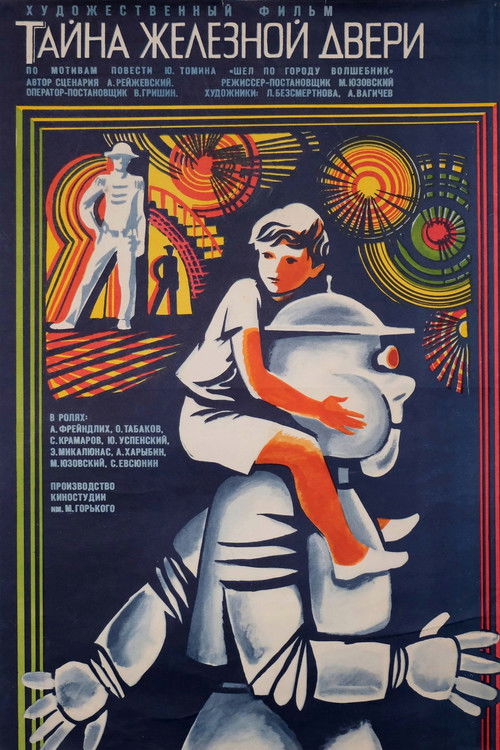
The Secret of the Iron Door is a didactic Soviet adventure designed to instill moral responsibility in its young protagonist. The film prioritizes social integration and adherence to rules over exploring diverse identities or challenging established norms. While the magical realism provides a whimsical backdrop, the narrative remains firmly rooted in the conventional social structures of 1970. It serves as a tool for teaching discipline and respect for authority rather than challenging broader societal hierarchies. Ultimately, the film lacks depth in reflecting multiple aspects of identity, focusing instead on a singular moral journey that reinforces traditional cultural and gendered expectations.
Category Breakdown
The film follows a traditional coming-of-age structure within a family adventure. It contains no representation of non-binary or transgender identities or narratives addressing the assumption that everyone is straight or cisgender.
The story centers on a young boy's character development. Female characters like the mother play traditional familial roles without challenging gender hierarchies.
Reflecting the demographic homogeneity of Soviet-era children's tales, the film lacks intentional racial blending. The setting and cast do not include diverse ethnic representation.
The narrative functions as a cautionary tale emphasizing obedience to authority and social regulations. It uses a secular magical framework to reinforce social cohesion and respect.
There is no discernible evidence regarding the portrayal of physical or neurodivergent disabilities. The plot focuses on behavioral misconduct rather than disability.
Present on Screen
Limited or Absent
Official Synopsis
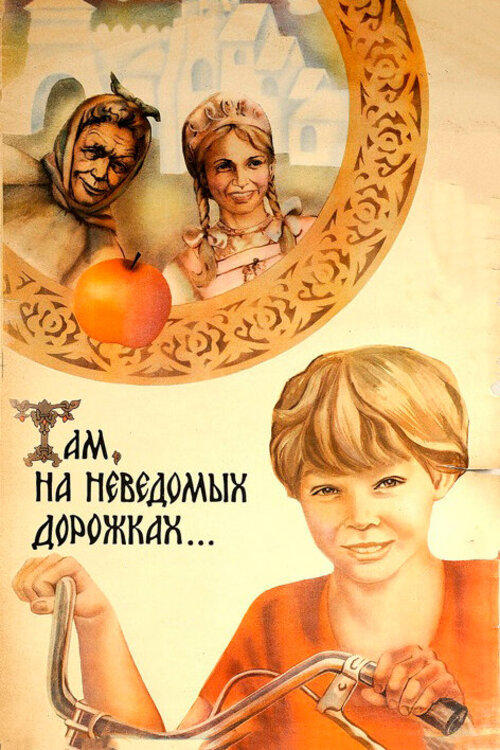
Every one of us dreams of finding a magic wand, matches or, at least, an enchanted flower that would make any wish come true. Well, we’re just dreaming, but a boy named Tolya Ryzhkov did find one, though, between us, he didn’t deserve such a good fortune. He was a pretty big liar and rascal, didn’t listen to his mother, hurt those who were weaker, and didn’t obey traffic regulations.On that ill-fated day when his incredible adventures began he behaved badly, as usual. He had even made a policeman mad! While running away from him, Tolya met a magician and forced a box of magic matches from him. To punish the boy, the evil magician (alas, there are such, too) had Tolya transported to his magic island. You will know how it all ended when you watch this humorous, fascinating adventure film.
1957

1965
1987
1960
1982
1966
1953
2007
No reviews yet. Be the first to share your thoughts on this movie!
Use the rating form above to leave a star rating and optional review.