Gritta of the Rats' Castle
1985
No user ratings available yet
Representation score: 5.0 out of 10
Representation Score
Fair
1980
Director
Gheorghe Naghi
Runtime
75 minutes
Average Rating
No ratings yetNew Showbiz Analysis
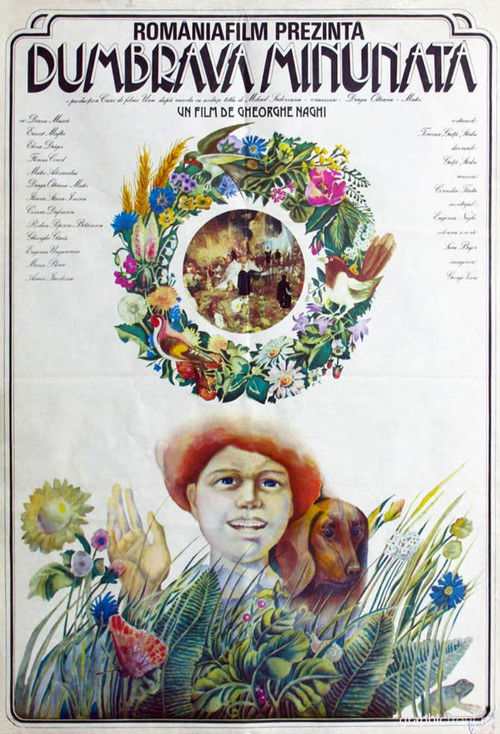
The Enchanted Grove functions as a traditional folklore story that challenges domestic and economic norms. Although it lacks diverse representations such as LGBTQ+ characters or multi-ethnic casting, it moves beyond typical fairy tale clichés by highlighting a female protagonist's ability to drive the story and a complex female antagonist. The film's primary diversity value lies in its cultural critique of industrial capitalism and its disruption of traditional maternal archetypes.
Category Breakdown
The film does not include any LGBTQ+ characters or non-straight relationships. The story focuses on a traditional family structure with a mother, father, and stepmother.
The film challenges passive female stereotypes by giving Lizuca significant control over her actions. The stepmother disrupts traditional nurturing roles by serving as an antagonist.
The film reflects its Romanian roots with a homogeneous ethnic cast. However, it uses anthropomorphic characters like bees and frogs to explore community and identity.
The film criticizes capitalist expansion by presenting the sale of the grove as a moral issue. It emphasizes environmental protection over industrial growth.
The film does not mention any characters with visible or invisible disabilities.
Present on Screen
Limited or Absent
Official Synopsis
Lizuca is only six years old, not much older than her pet dachshund Patrocle, when her mother dies and she is left to live with her grandparents on their farm. Before long, Lizuca's father comes to take her away to live with him and his new bride, a vile woman who considers children the bane of all existence. Lizuca and the dachshund escape the wicked stepmother and spend the night in a hollow tree, a tree that changes into an enchanted land where Lizuca (like Alice through the Looking Glass) discovers a world of characters in the form of bees, frogs, the four seasons, Snow White, her dwarves, and other fairy tale creatures. This magic place is threatened by the evil stepmother's plan to sell the grove that protects the secret land to developers -- a decision that puts the woman on trial before this perfidy can be realized.
1985
1984
2015
1992
2008
1976

1987
2003
No reviews yet. Be the first to share your thoughts on this movie!
Use the rating form above to leave a star rating and optional review.