Panoramic View of the Champs Elysees
1900
No user ratings available yet
Representation score: 1.1 out of 10
Representation Score
Minimal
1900
Director
James H. White
Runtime
2 minutes
Average Rating
No ratings yetNew Showbiz Analysis
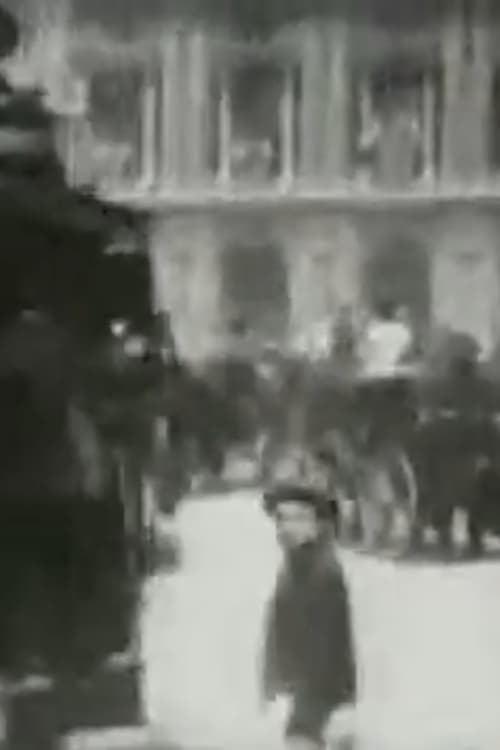
This 1900 documentary serves as a historical record of Western urban life, focusing on the movement of carriages and buses through the Place de la Concorde. It functions as a topographical record of Parisian life during the Paris Exposition without attempting to explore identity-based storytelling. The film adheres to the social hierarchies and institutional norms of the early 20th century. It prioritizes observing public spectacle and capitalist mobility over representing underrepresented groups. Ultimately, the film documents Western progress and the prominence of traditional religious institutions without challenging the era's social structures.
Category Breakdown
The film does not include any LGBTQ+ characters or non-cisgender identities. It focuses on capturing urban movement rather than exploring queer identities.
Women can be seen in the carriages and buses, but the film does not challenge traditional gender roles. Instead, it highlights the public spectacle without questioning the social structures of the time.
The footage captures urban landscapes and transit during a period of colonial expansion. It does not intentionally represent diverse ethnic groups and primarily shows a Eurocentric population.
The film celebrates Western urban culture and the grandeur of the Paris Exposition. The presence of the Church of the Madeleine emphasizes the importance of traditional religious institutions.
As a panoramic observational documentary, the film does not depict any physical or neurodivergent identities.
Present on Screen
Limited or Absent
Official Synopsis
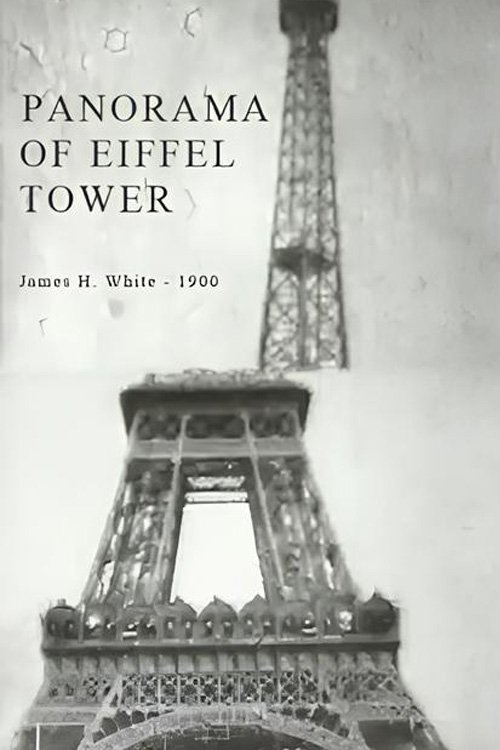
Taken from an automobile. This picture was taken during the fashionable driving hour, making a complete circle of the Place de la Concorde, passing hundreds of carriages and busses. The beginning of the picture shows the historical church of the Madeleine in the background, the picture ending by approaching and running under the main entrance to the Paris Exposition.
1900
1900
1900
1900
1900
1900
1899
1896
No reviews yet. Be the first to share your thoughts on this movie!
Use the rating form above to leave a star rating and optional review.