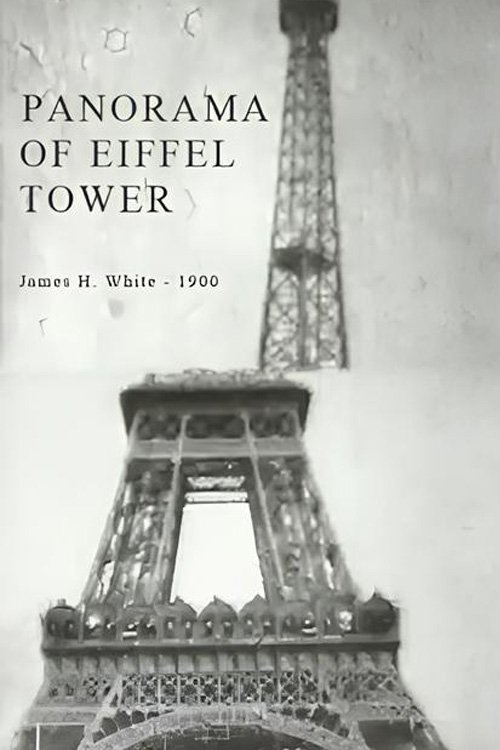
Panorama of Eiffel Tower
1900
No user ratings available yet
Representation score: 1.3 out of 10
Representation Score
Limited
1900
Director
James H. White
Runtime
1 minutes
Average Rating
No ratings yetNew Showbiz Analysis
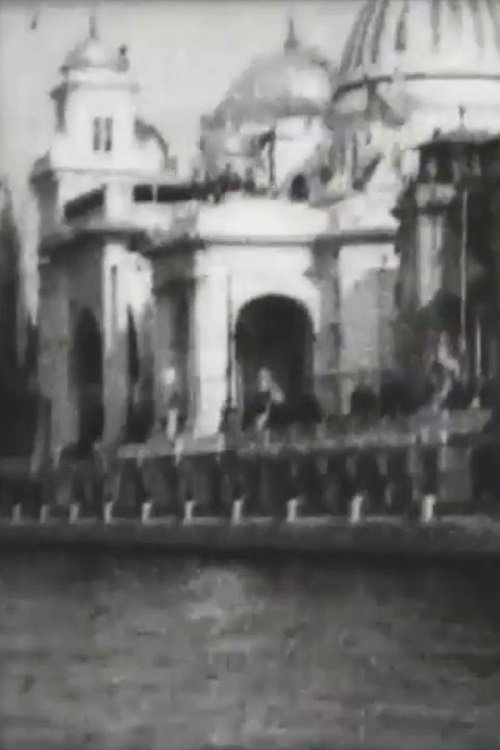
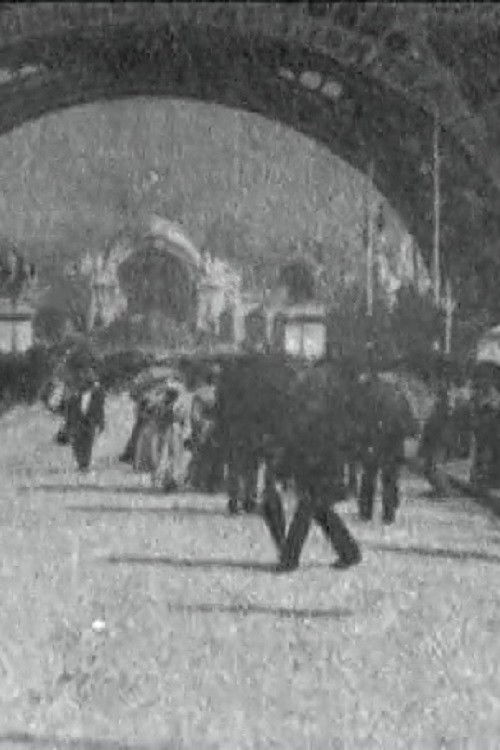
This documentary stands as a technical achievement in early cinematography, emphasizing spatial documentation and advancements in camera movement. Its primary function is as a historical record of the 1900 Paris Exposition rather than a vehicle for intentional storytelling. As an observational piece, it reflects the social norms of the turn of the century. It captures a specific moment in history without attempting to challenge existing social, gender, or cultural hierarchies. Ultimately, the film's significance lies in its detailed record of the Place de l'Opéra. It lacks the narrative framework necessary to address multi-layered identities or societal disruptions.
Category Breakdown
The film does not include any LGBTQ+ characters or stories. Since it focuses on documenting a public space, it doesn't have the narrative structure needed to explore non-straight identities.
Women are shown as passive figures within the historical setting of Paris. The film does not depict any active roles or challenges to gender hierarchies.
The footage likely includes a diverse range of visitors due to the international nature of the exposition. However, these depictions are secondary to the film's main purpose.
The film highlights the grandeur and high culture of the Belle Époque period. It documents Western institutions without actively engaging with or critiquing them.
The panoramic documentary format does not provide any clear depiction of physical or neurodivergent identities.
Present on Screen
Limited or Absent
Official Synopsis
James White, the Edison Company's main filmmaker at the time, realized a burst of creativity during his visit to the 1900 Paris Exposition. It's uncertain who his cameraman was for this journey, but historian Charles Musser suggests that it might've been Alfred C. Abadie. In their Paris Exposition films, they introduced tilting (see 'Panorama of Eiffel Tower') and, although panning and panoramas had already been around for a while, they introduced some novel functions for them.
1900
1900
1900
1900
1900
1900
1900
1901
No reviews yet. Be the first to share your thoughts on this movie!
Use the rating form above to leave a star rating and optional review.