
Night Catches Us
2010
No user ratings available yet
Diversity score: 8.1 out of 10
2011
Not RatedDirector
Paula van der Oest
Runtime
100 minutes
Average Rating
No ratings yetSynopsis
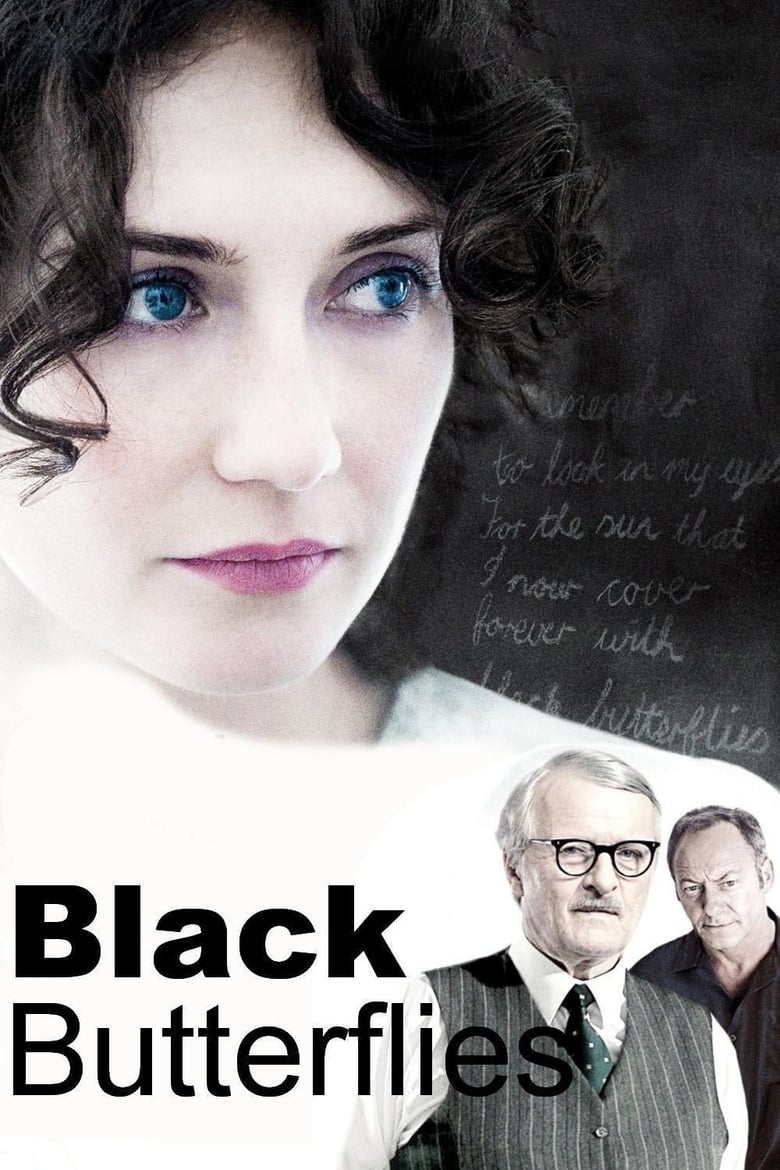
Confronted by Apartheid and a father who was Minister of Censorship, Ingrid Jonker searched for a home, searched for love. With men like Jack Cope and André Brink she found much love, but no home. Later, in his first speech to the South African Parliament Nelson Mandela read her poem "The Dead Child of Nyanga" and addressed her as one of the finest poets of South Africa.
Overall Score
Good
Category Breakdown
LGBTQ+ Representation
The film operates within traditional mid-20th-century romantic frameworks. It lacks explicit queer romantic arcs or non-heteronormative character agency.
Gender Representation
Ingrid Jonker is portrayed as a central intellectual force rather than a mere romantic interest. The narrative highlights her resilience against patriarchal family and political structures.
Racial & Ethnic Diversity
The story engages deeply with the systemic marginalization of Black South Africans under Apartheid. It connects poetic expression to the collective struggle against racial hierarchy.
Religious & Cultural Diversity
The film critiques the restrictive morality of the South African state and censorship mechanisms. It prioritizes the subjective truth of the artist over state-mandated ethics.
Disability Representation
There are no prominent depictions of visible or invisible disabilities that serve as central character arcs in this narrative.
Strengths
Areas for Improvement
AI Analysis
Black Butterflies offers a sophisticated look at how personal identity clashes with systemic oppression. By centering on poet Ingrid Jonker, the film moves beyond simple biography to explore the friction between creative agency and the rigid hierarchies of the Apartheid era. The film excels in its portrayal of gendered agency and its engagement with the racial tensions of South Africa. It successfully links individual emotional struggles to the broader socio-political realities of the time. However, the narrative remains limited in its scope regarding LGBTQ+ identities and disability representation. It focuses primarily on the intersection of gender, race, and state-driven censorship.
2010

1999
2017
2002
1999
1991

1969
1996
2007
1998
2012
2004
No reviews yet. Be the first to share your thoughts on this movie!
Use the rating form above to leave a star rating and optional review.