
Introduction to Life
1962
No user ratings available yet
Representation score: 4.5 out of 10

Representation Score
Good
1967
Director
Bahrudin 'Bato' Čengić
Runtime
92 minutes
Average Rating
No ratings yetNew Showbiz Analysis
Director Bahrudin 'Bato' Čengić employs a gritty, realistic style to challenge historical myths. The film successfully showcases a multi-ethnic resistance and overturns traditional gender roles, moving away from idealized state-approved heroism. However, the film lacks representation of LGBTQ+ identities and specific physical or cognitive disabilities. The narrative focuses primarily on the collective experience of wartime trauma and moral complexity.
Category Breakdown
The film centers on the survival and psychological trauma of wartime orphans. It does not include any non-straight or transgender identities or stories involving LGBTQ+ individuals.
Women are shown as strong, capable members of the resistance movement, challenging the stereotype of women as solely domestic figures. This portrayal gives female characters a prominent role in the story.
The film highlights the diverse ethnic makeup of the Yugoslav resistance, showing how different ethnic groups worked together against a common enemy. It presents a nuanced view of ethnic blending and cooperation.
The movie emphasizes a collective, anti-fascist stance and questions traditional Western power structures. It avoids simple moral tales in favor of complex ethical situations.
The film delves into the deep psychological wounds caused by war. However, it does not include characters with visible physical or cognitive disabilities as central subjects.
Present on Screen
Limited or Absent
Official Synopsis
After the end of WW2 a blonde boy arrives at an orphanage made for the children of Partizans or people being killed in the war. The headmaster knows that the boy's parents were Nazis but conceals that fact from others, fearing violence by vengeful children. He invents the boy's life story, but the other children get suspicious.
1962
1962
1985
1952
1958
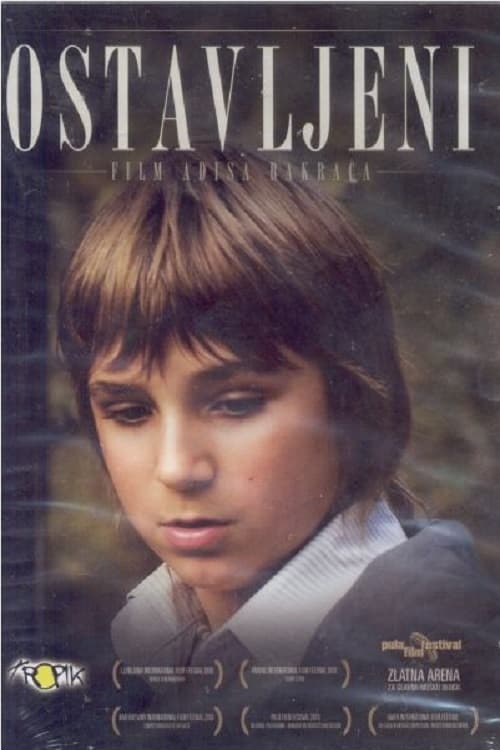
2010
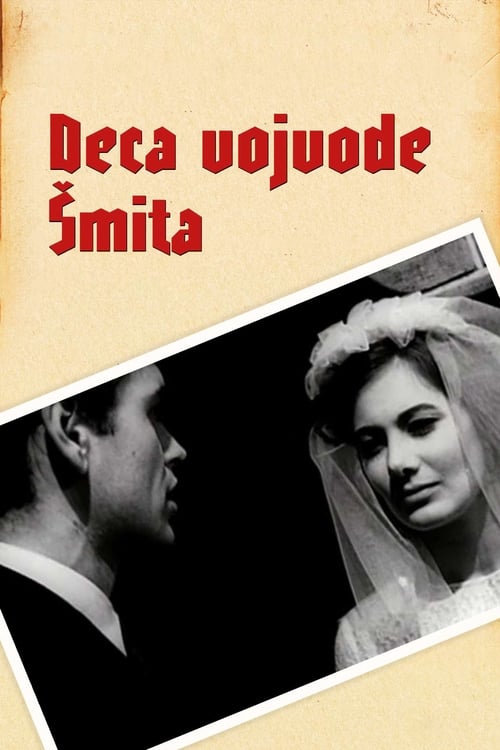
1967
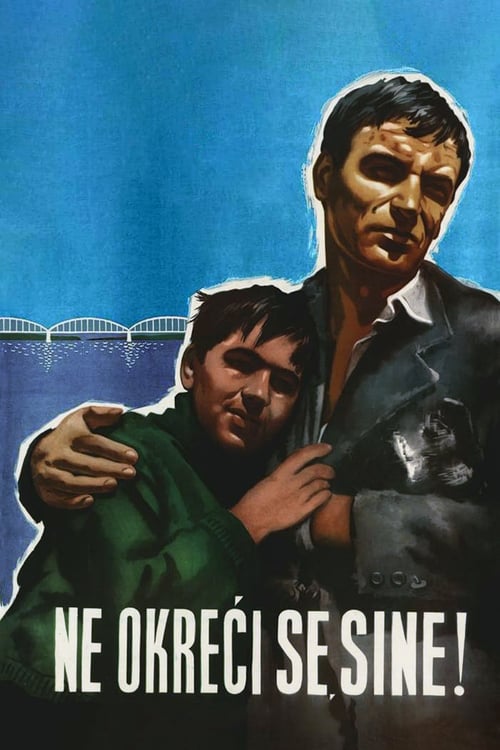
1956
No reviews yet. Be the first to share your thoughts on this movie!
Use the rating form above to leave a star rating and optional review.