The Aggressives
2005
No user ratings available yet
Diversity score: 5.9 out of 10
2022
Director
Norihiro Koizumi
Runtime
107 minutes
Average Rating
No ratings yetSynopsis
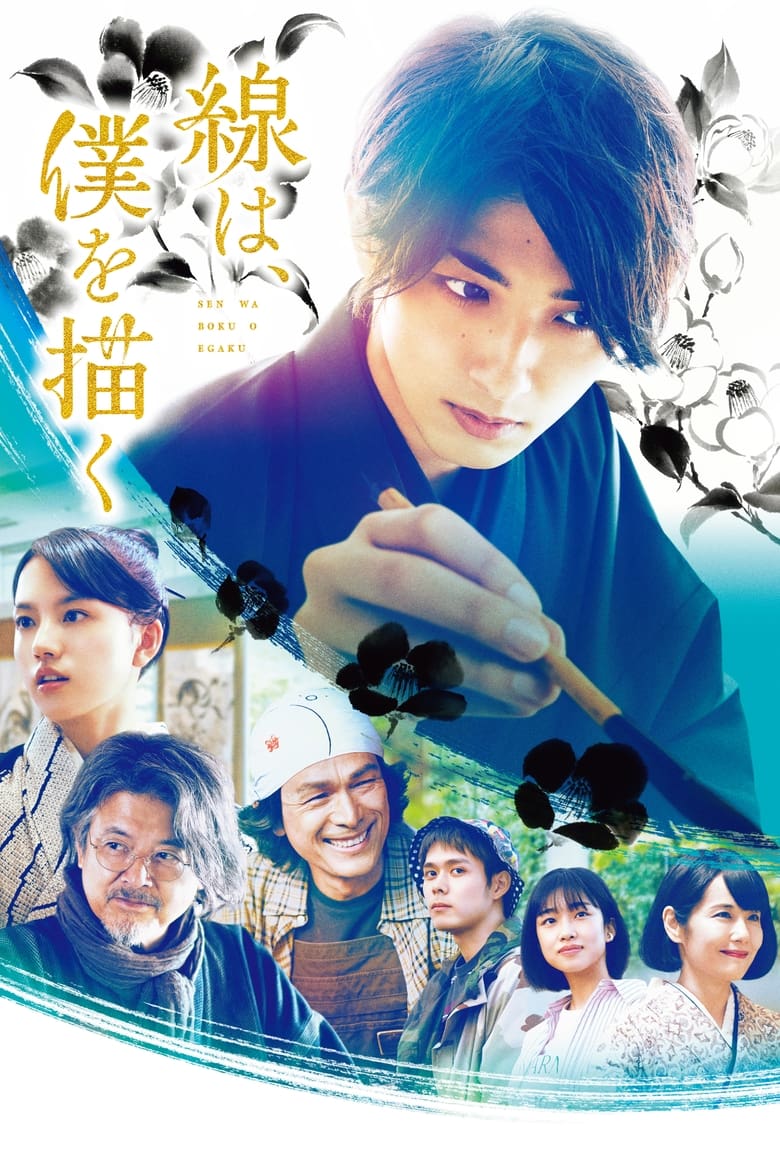
Sousuke Aoyama is a college student who suffers painfully from the loss of his parents in a traffic accident. He meets Kozan Shinoda, a suibokuga (India-ink painting) artist, at an exhibition. Kozan becomes interested in Sousuke and surprisingly accepts him as his disciple. However, Kozan's niece is dismissive of Sousuke and declares to compete with Sousuke for the "Kozan Award." Although Sousuke seemed uninterested in painting at first, he gradually becomes drawn to it by each stroke he draws...
Overall Score
Fair
Category Breakdown
LGBTQ+ Representation
The film lacks explicit depictions of non-heteronormative identities or same-sex intimacy. The story focuses primarily on the master-disciple relationship and the protagonist's personal grief.
Gender Representation
A competitive female character is introduced through Kozan’s niece. Her role in a high-stakes artistic competition suggests professional agency rather than a purely domestic archetype.
Racial & Ethnic Diversity
This is a culturally specific Japanese drama centered on suibokuga. It maintains a homogeneous cultural lens without presenting a multi-ethnic or diverse cast.
Religious & Cultural Diversity
The narrative prioritizes the aesthetic and spiritual discipline of ink painting. It values individual emotional truth and artistic pursuit over rigid institutional or religious morality.
Disability Representation
The protagonist navigates profound psychological trauma following a tragic accident. However, the film lacks explicit representation of physical or neurodivergent disabilities.
Strengths
Areas for Improvement
AI Analysis
The film is a character-driven drama that centers on the discipline of suibokuga and the psychological navigation of grief. It functions as a study of personal reconstruction through art rather than a vehicle for social critique. While the film offers a nuanced look at individual agency within a traditional Japanese framework, it does not actively disrupt social hierarchies. The narrative remains grounded in cultural heritage and personal development. Ultimately, the work prioritizes aesthetic discipline and emotional truth over identity politics or systemic subversion, resulting in a culturally specific but socially homogeneous experience.
2005

2023

2008
2017

2011

2022

2008

2022

2016

2021

2000
2019
No reviews yet. Be the first to share your thoughts on this movie!
Use the rating form above to leave a star rating and optional review.