
The Sound of Grass
2021
No user ratings available yet
Representation score: 7.3 out of 10
Representation Score
Good
2017
Director
Izuru Narushima
Runtime
114 minutes
Average Rating
No ratings yetNew Showbiz Analysis
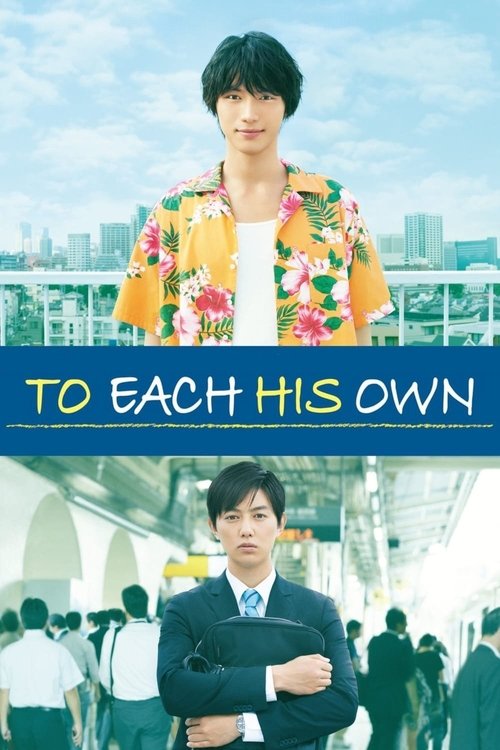
To Each His Own is a culturally specific drama that prioritizes thematic depth over broad demographic representation. While the cast remains homogeneous and focused on traditional gender roles, the film excels in its exploration of mental health and burnout. The narrative succeeds by deconstructing the 'salaryman' cliché, providing a progressive critique of systemic professional pressures. It addresses the internal realities of mental health and burnout rather than focusing solely on surface-level representation. Ultimately, the film's impact lies in its social commentary on modern economic institutions rather than its diversity of identity.
Category Breakdown
The film does not include explicit references to queer identities or non-cisgender characters. The story revolves around a traditional relationship between Takashi and Yamamoto.
The narrative emphasizes the mental health and professional roles of a male protagonist. It challenges the 'ideal worker' stereotype but does not significantly reverse traditional gender roles.
As a Japanese production, the film features a homogeneous cast. There is no indication of multicultural casting or narratives centered around racial themes.
The film offers a nuanced look at modern capitalist work culture. It challenges the glorification of professional endurance by examining the importance of life beyond work.
Mental health and physical exhaustion are central to the plot. The film portrays psychological distress as a catalyst for personal growth rather than just a plot device.
Present on Screen
Limited or Absent
Official Synopsis
Takashi Aoyama has way too much work to do and pushes himself mentally too hard. He blacks out and collapses at a railroad station. When he is about to be hit by a train, he is saved by Yamamoto. After his encounter with Yamamoto, Takashi recovers his bright personality and gets better results at work. One day, Takashi sees Yamamoto boarding a bus to the cemetery with a serious expression.
2021
1997

2005
1952
2001

2017

2012

2009
No reviews yet. Be the first to share your thoughts on this movie!
Use the rating form above to leave a star rating and optional review.