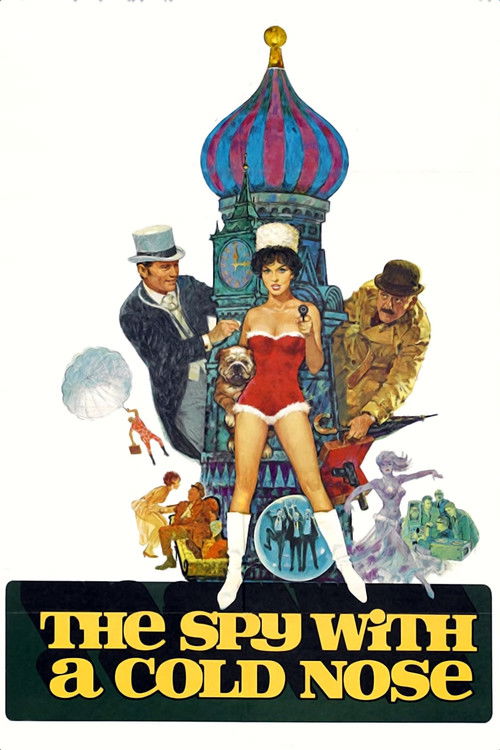
The Spy with a Cold Nose
1966
No user ratings available yet
Representation score: 2.1 out of 10

Representation Score
Minimal
1964
TV-PGDirector
James Landis
Runtime
90 minutes
Average Rating
No ratings yetNew Showbiz Analysis
The Nasty Rabbit is a Cold War-era comedy that adheres to the genre conventions of 1964. Its narrative structure revolves around geopolitical tensions and the anxieties of the era, particularly Russian espionage and biological threats. Since the film centers on a binary conflict between the U.S. and USSR, it lacks depth in reflecting multiple aspects of identity. The emphasis on defending Western institutions aligns with traditional social structures of the time. Overall, the film serves as a reflection of its period, employing established nationalistic themes and conventional social hierarchies.
Category Breakdown
The film does not include any characters with LGBTQ+ identities. It operates within the social norms of 1964.
The specific roles of female characters are not confirmed, but the genre likely emphasizes traditional gender hierarchies, relegating women to secondary or domestic roles.
The story focuses on a binary geopolitical conflict between the U.S. and USSR, which often leads to homogeneous casting and nationalistic themes.
The plot centers on defending the domestic sphere against foreign biological threats, reinforcing traditional patriotism without offering cultural critique.
Characters with disabilities do not have significant roles in the narrative and may serve as mere plot devices.
Present on Screen
Limited or Absent
Official Synopsis
Russian spies secretly infect rabbits with a deadly bacteria, then let them loose in the U.S.
1966
1959

1987

1966
1956
1965
1953
1972
No reviews yet. Be the first to share your thoughts on this movie!
Use the rating form above to leave a star rating and optional review.