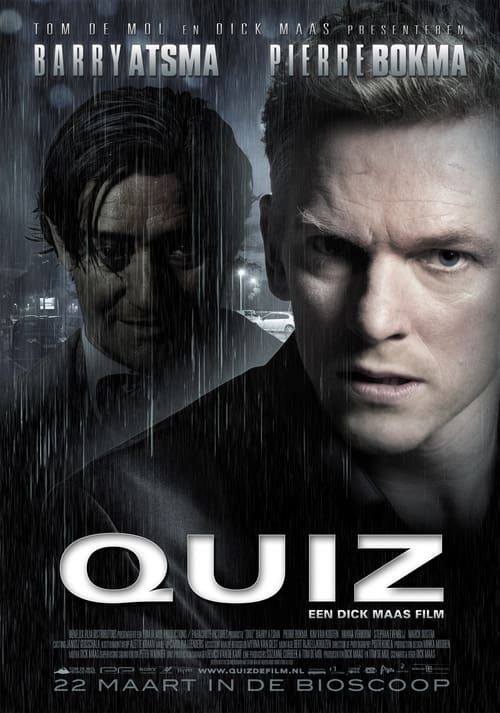
Quiz
2012
No user ratings available yet
Representation score: 7.4 out of 10
Representation Score
Fair
1999
Director
Frank Ketelaar
Runtime
90 minutes
Average Rating
No ratings yetNew Showbiz Analysis
The film is a psychological thriller that prioritizes individual pathology and professional rivalry over social representation. It follows traditional dramatic structures that center on a singular, intense character study. While the narrative introduces a physical disability as a direct consequence of the central conflict, it treats impairment as a plot device rather than a lived experience. Overall, the work operates within a narrow, straight-focused, and homogeneous framework. It lacks depth in representing diverse identities, focusing instead on the high-stakes tension of masculine competition and personal obsession.
Category Breakdown
The film focuses on heterosexual rivalry and a domestic partnership. It does not include any LGBTQ+ characters or stories that explore non-cisgender identities.
The story revolves around male-dominated professional competition. The female character primarily serves as a plot device to advance the protagonist's actions rather than having her own independent role.
The cast reflects a homogeneous social group within Amsterdam's elite museum circles. The setting lacks visible racial or ethnic diversity, sticking to conventional casting norms.
The film explores secular themes of obsession and ambition. It uses Western institutions as a backdrop for personal struggle without critiquing them or religious morality.
A character loses sight in one eye due to the central conflict. This uses disability as a consequence of crime rather than exploring it in depth.
Present on Screen
Limited or Absent
Official Synopsis
Onno (30) applies for a dream job as curator in Amsterdam's Rijksmuseum. He makes it through to the last round with the arrogant yuppie Alex. The younger and self-assured Alex seems to have a better chance of getting the job and Onno will not tolerate that. A few days before the last interview, he kidnaps his opponent and locks him up in a remote cottage that his girlfriend has just inherited near a railway line. As soon as he gets the job, he releases his victim. Three years later - Onno now lives together and has a son - he is a successful curator at the Rijksmuseum and needs an assistant. While interviewing applicants, he is confronted with Alex, now blind in one eye.
2012
2019
2005
2005
2015
1999
2009
2006
No reviews yet. Be the first to share your thoughts on this movie!
Use the rating form above to leave a star rating and optional review.