You are here:

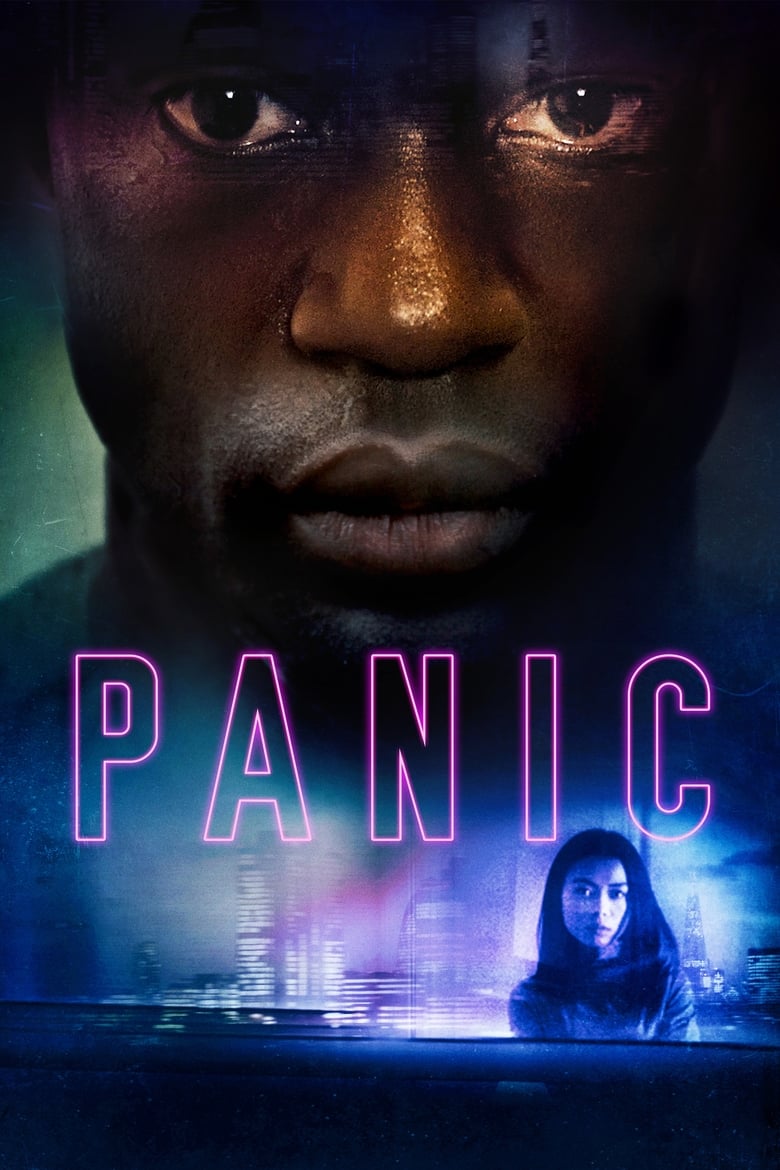
Panic

Panic

Representation Score

7.9/10

Good

2016

TV-MA

Director

Sean Spencer

Runtime

85 minutes

Average Rating

No ratings yet

New Showbiz Analysis

Panic offers a sophisticated departure from conventional Western-centric casting by centering a Black protagonist within a narrative involving East Asian underworld elements. It successfully integrates themes of trauma and systemic neglect into its urban thriller framework. However, the film struggles with traditional gender dynamics, as female characters largely serve as plot devices to drive the male lead's actions. The lack of queer representation also limits its multi-layered depth. Ultimately, the film's strength lies in its nuanced portrayal of a non-white, traumatized lead navigating a fragmented social landscape.

Watch this, not that →

Category Breakdown

Does Panic have LGBTQ+ representation?

Fair

The film does not explicitly depict LGBTQ+ identities or relationships that go beyond the assumption that everyone is straight. The main conflict centers around a male character's interest in a woman.

How does Panic portray gender?

Fair

While the film challenges the typical tough guy stereotype by showing a vulnerable male lead, female characters mainly serve as triggers for his journey. This reduces the roles of the women involved.

How racially and ethnically diverse is Panic?

Good

The story avoids focusing solely on white characters by featuring a Black lead and emphasizing East Asian identities. The blend of these backgrounds in an urban environment is noteworthy.

How does Panic represent religion and culture?

Good

The story highlights the isolation and neglect faced by those living on the fringes of society. It focuses on individuals who exist outside the mainstream.

Does Panic include disability representation?

Good

The protagonist's physical and mental scars are central to his character. The film portrays his trauma as a complex reality rather than a clichéd inspirational story.

Present on Screen

  • Features a non-white lead and explores the intersection of Black and East Asian identities.
  • Avoids clichéd inspirational stories by presenting the protagonist's physical and mental trauma as a complex reality.
  • Provides a meaningful critique of urban isolation and systemic social neglect.

Limited or Absent

  • Female characters lack significant roles, serving mostly as triggers for the male protagonist's journey.
  • The narrative lacks explicit LGBTQ+ representation or queer-coded subtext.
  • The central romantic tension follows conventional straight relationship structures.

Official Synopsis

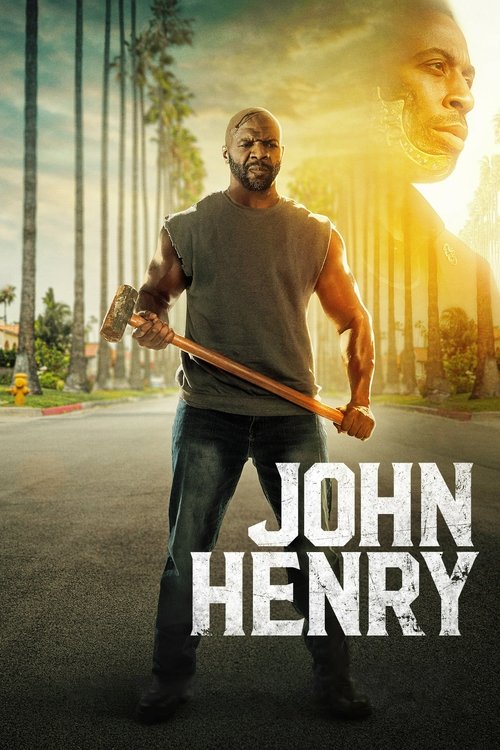
Music journalist Andrew Deeley (DAVID GYASI) lives in a high-rise tower block, physically and mentally scarred from a vicious attack. Alone and cut off from the world, he obsesses over Kem (YENNIS CHEUNG), his beautiful Chinese neighbour. When Amy (PIPPA NIXON), a married woman he meets online, witnesses Kem's kidnapping, Deeley is left with no choice but to find Kem himself. Armed with only an Oyster card and a hammer, Deeley spirals into the heart of the Triad underworld as he searches for a woman the world has forgotten.

How are these scores produced? →

Where to Watch

Rate this Movie

No rating selected
Use arrow keys to select a rating from 1 to 5 stars
Optional text review, maximum 2000 characters
Tip: Wrap spoilers with ||double pipes|| to hide them
0/2000 characters
You must be signed in to submit a rating

Reviews

No reviews yet. Be the first to share your thoughts on this movie!

Use the rating form above to leave a star rating and optional review.