
The Keeper
2004
No user ratings available yet
Representation score: 4.6 out of 10
Representation Score
Fair
2004
RDirector
Tony Piccirillo
Runtime
96 minutes
Average Rating
No ratings yetNew Showbiz Analysis
The film is a specialized psychological thriller that finds its strength in a nuanced, intense portrayal of neurodivergence. By making the protagonist's mental health the central driver of the narrative, it grants the disability a significant role in driving the story without falling into reductive clichés. However, the film lacks breadth across other diversity categories. It remains a traditional production regarding racial and sexual identity, offering a homogeneous cast with minimal multi-ethnic layering or LGBTQ+ representation. Ultimately, while the film challenges traditional gender roles and provides a focused look at mental health, its narrow scope limits its overall diversity impact.
Category Breakdown
The film does not include any LGBTQ+ characters. The main conflict revolves around psychological issues rather than sexual orientation or gender identity.
Marcia Gay Harden’s character avoids the damsel-in-distress cliché by serving as a psychological catalyst. However, the power dynamics still center heavily on the male protagonist's volatility.
The cast is relatively uniform and lacks diverse ethnic representation. The production adheres to traditional Western cinematic norms without intentional multi-ethnic layering.
The story critiques rigid social norms by portraying neurodivergence as a barrier to urban life. It functions as a localized study of mental health without broader systemic critiques.
The protagonist's severe obsessive-compulsive disorder and mysophobia drive the entire plot. The film avoids inspirational clichés by presenting the condition as a complex, debilitating reality.
Present on Screen
Limited or Absent
Official Synopsis
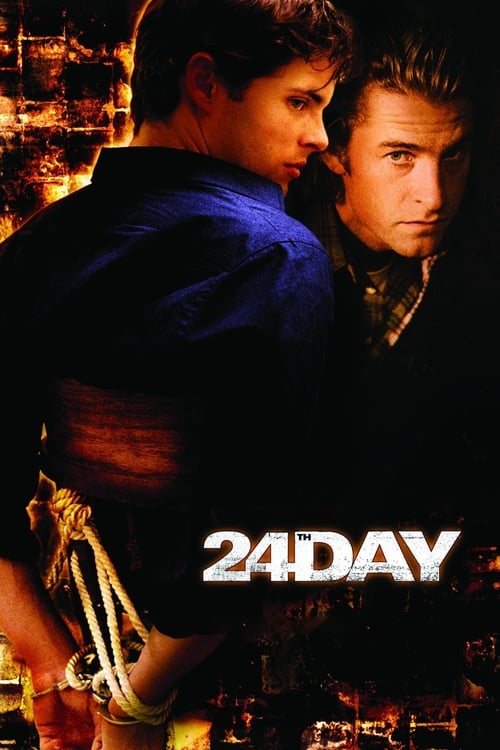
Tom and Dan's one-night stand turns into an intense power-play between captor and captive.
2004

2013
1994

2002

2004
1992

2013

2023
No reviews yet. Be the first to share your thoughts on this movie!
Use the rating form above to leave a star rating and optional review.