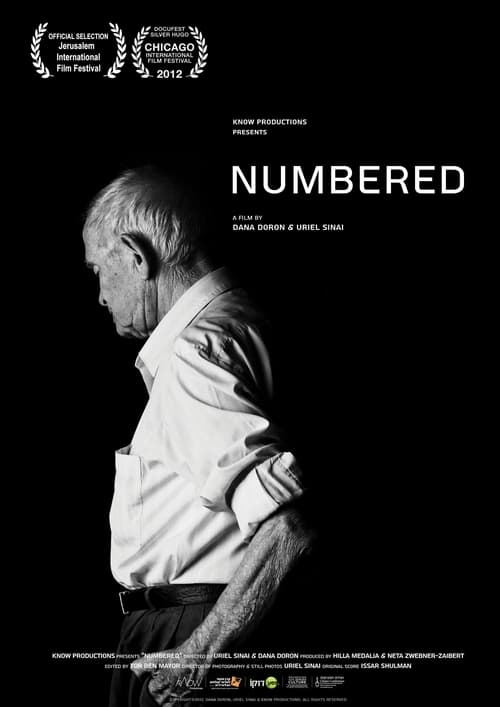
Numbered
2012
No user ratings available yet
Representation score: 8.3 out of 10

Representation Score
Good
2018
TV-PGDirector
Amy Schatz
Runtime
19 minutes
Average Rating
No ratings yetNew Showbiz Analysis
The documentary excels by centering a underrepresented ethnic identity and giving the subject significant narrative ability to act. It goes beyond a simple biography to provide a sophisticated critique of how systemic oppression affects families across generations. By focusing on the lived experience of a Holocaust survivor, the film transforms detached historical observation into an intimate, personal truth. This approach enables a reclaiming of identity against historical erasure. Despite the lack of engagement with LGBTQ+ or modern neurodivergent themes, the film's strength lies in its ability to challenge conventional historical narratives through a deeply personal lens of ethnic identity and trauma.
Category Breakdown
The film does not include any LGBTQ+ characters or stories focused on non-cisgender identities. The plot revolves around the family and ethnic background of the main character.
The story centers around a patriarchal figure but avoids reinforcing traditional gender hierarchies. Instead, it emphasizes the significance of emotional inheritance and historical stewardship.
The film gives a significant role in driving the story to a Jewish protagonist, highlighting an ethnic experience that has been historically underrepresented. It delves into the complexities of the Jewish diaspora through detailed cultural exploration.
The documentary critiques institutional morality and the erosion of human rights. It prioritizes historical truth and humanistic exploration over singular religious or nationalist narratives.
The film offers a nuanced look at the long-term psychological and physical effects of severe trauma. It portrays the invisible scars of survivors with dignity and ability to act.
Present on Screen
Limited or Absent
Official Synopsis
When ten-year-old Elliott asks his 90-year-old great-grandfather, Jack, about the number tattooed on his arm, he sparks an intimate conversation about Jack’s life that spans happy memories of childhood in Poland, the loss of his family, surviving Auschwitz and finding a new life in America.
2012
1998

2017

1985

2000
2021

2013
2006
No reviews yet. Be the first to share your thoughts on this movie!
Use the rating form above to leave a star rating and optional review.