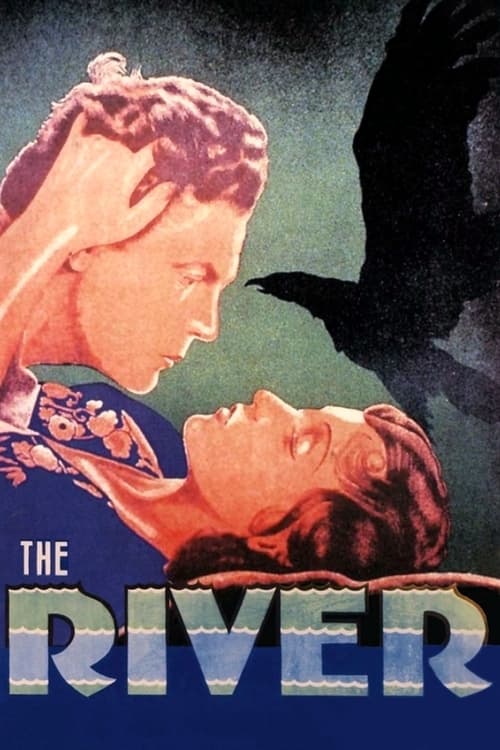
The River
1929
No user ratings available yet
Representation score: 3.3 out of 10
Representation Score
Limited
1929
NRDirector
Frank Borzage
Runtime
99 minutes
Average Rating
No ratings yetNew Showbiz Analysis
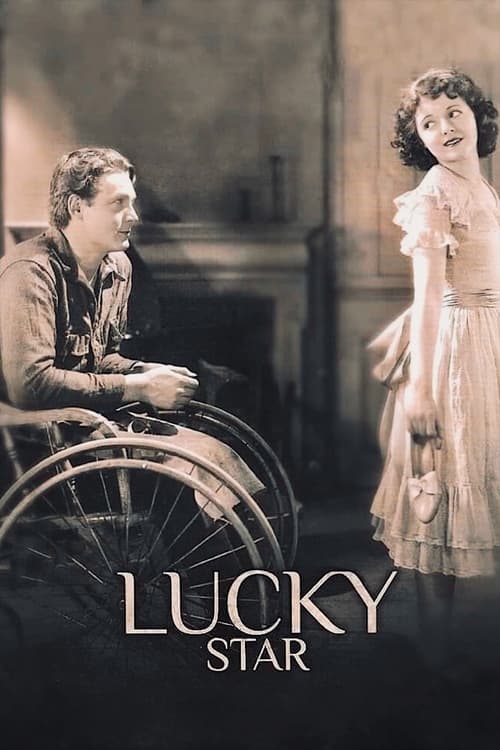
Lucky Star is a product of its historical context, emphasizing individual romantic devotion over broader social critique. The film's strength lies in its nuanced exploration of physical disability, which adds depth to the emotional storyline. However, the film lacks diversity in terms of race, culture, and LGBTQ+ identities. It operates within a narrow social framework, reflecting traditional gender roles and homogeneous casting practices common in late silent-era cinema. Ultimately, while the portrayal of disability enriches the narrative, the absence of diverse representations limits the film's scope.
Category Breakdown
The film centers on a traditional romance between Mary and Tim, with no representation of LGBTQ+ identities or critiques of conventional romantic structures.
Mary plays a significant role in driving the story's emotional core, but the film relies on traditional gender roles and masculine archetypes of dominance.
The setting and cast reflect a homogeneous Western society, with no evidence of diverse racial or ethnic backgrounds.
The narrative adheres to the social norms of its time, focusing on traditional romantic ideals and class struggles without engaging in broader critiques.
Tim's physical handicap is used to explore themes of vulnerability and emotional connection, rather than being mocked or trivialized.
Present on Screen
Limited or Absent
Official Synopsis
Mary, a poor farm girl, meets Tim just as word comes that war has been declared. Tim enlists in the army and goes to the battlefields of Europe, where he is wounded and loses the use of his legs. Home again, Tim is visited by Mary, and they are powerfully attracted to each other; but his physical handicap prevents him from declaring his love for her. Deeper complications set in when Martin, Tim's former sergeant and a bully, takes a shine to Mary.
1929

1932
1925
1927
1957
1925
1935
1940
No reviews yet. Be the first to share your thoughts on this movie!
Use the rating form above to leave a star rating and optional review.