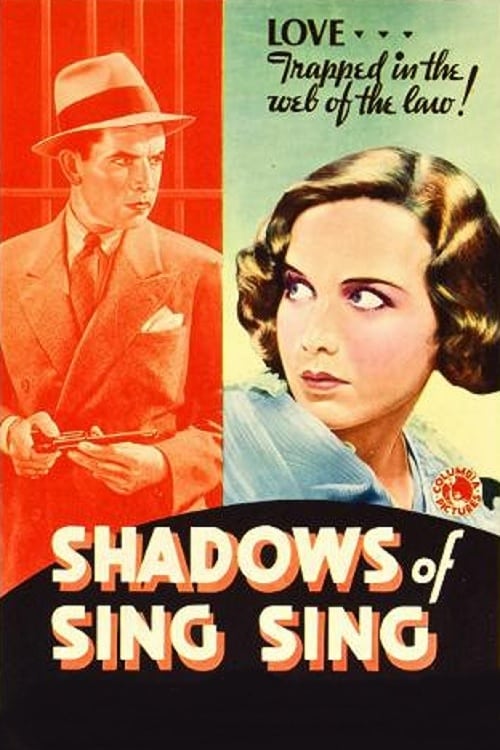
Shadows of Sing Sing
1933
No user ratings available yet
Representation score: 1.3 out of 10
Representation Score
Limited
1936
ApprovedDirector
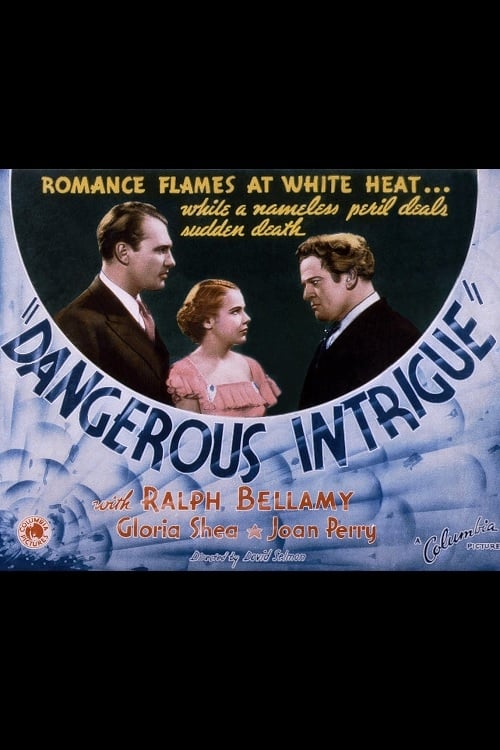
David Selman
Runtime
58 minutes
Average Rating
No ratings yetNew Showbiz Analysis
Dangerous Intrigue is a standard mid-century melodrama that adheres strictly to the storytelling conventions of the 1930s. The narrative structure reinforces existing social hierarchies rather than challenging them. The film prioritizes professional status and conventional romantic pairings. It relies on clichés, such as using amnesia to facilitate character movement, which limits the depth of its character studies. Ultimately, the work functions as a reinforcement of industrial and medical stability. It lacks the intentionality needed to disrupt or deconstruct the cultural norms of its era.
Category Breakdown
The story centers on traditional romantic arcs involving the protagonist and his female interests. There are no non-straight identities or critiques of the assumption that everyone is straight.
Female characters like Carol Andrews act as moral arbiters within conventional domestic dynamics. They occupy emotional space but function within established social roles rather than challenging them.
The narrative focuses on an Anglo-Saxon social structure in New York and Pennsylvania. While Joe Kosovic suggests an immigrant background, the story centers on Western social hierarchies.
The film reinforces traditional institutional structures like medicine and industry. It follows a classic trajectory of professional redemption through reintegration into the industrial workforce.
Amnesia serves primarily as a convenient plot device to transition the protagonist between social classes. The film lacks a nuanced exploration of cognitive impairment or real depth.
Present on Screen
Limited or Absent
Official Synopsis
Anthony Halliday, a brilliant young surgeon, is forced to resign as chief of staff at a New York hospital when he is compelled to delay an appendectomy on the daughter of John Mitchell, a wealthy supporter of the hospital, because of an emergency operation he has to perform. The appendectomy is successful, but later complications cause the girl's death. Carol Andrews, his fiancée, regards him as a failure and leaves him. Halliday, suffering from amnesia brought on by the shocks, drifts to Scranton, Pa., where he gets work in the steel mill. He only remembers who he is when he finds himself bandaging some injured workers. The mill doctor, Miller, asks him to become his assistant. Halliday remains at the mill under the name of John Davis. Because of many accidents at the mill, the smelter boss, Joe Kosovic is demoted. He becomes friendly with Halliday and invites him home for dinner, where he becomes attracted to Gerta, Joe school-teacher daughter.
1933
1942
1924
1931
1926
1936
1930
1936
No reviews yet. Be the first to share your thoughts on this movie!
Use the rating form above to leave a star rating and optional review.