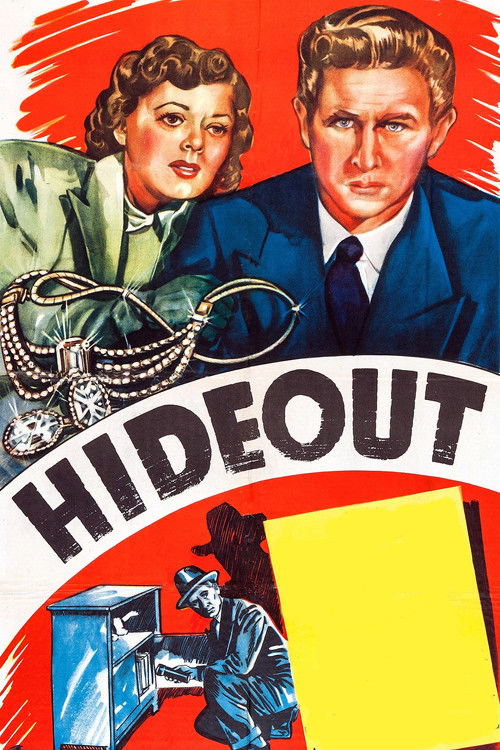
Hideout
1949
No user ratings available yet
Representation score: 3.6 out of 10
Representation Score
Minimal
1946
NRDirector
Philip Ford
Runtime
67 minutes
Average Rating
No ratings yetNew Showbiz Analysis
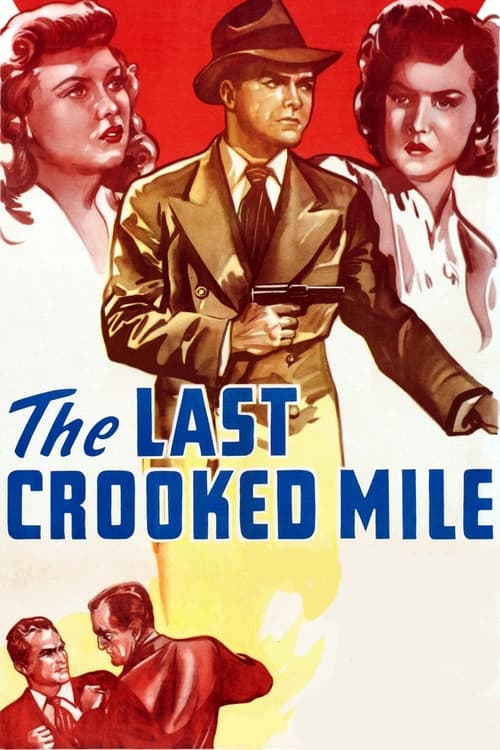
The Last Crooked Mile is a classic example of the 1946 crime procedural genre, prioritizing straightforward storytelling over social critique. The film reinforces mid-century social norms by focusing on established authority figures and traditional social hierarchies. Its narrative structure relies on standard genre clichés that validate the existing social order. By concentrating on the restoration of order through investigative procedures, the film avoids any meaningful disruption of the era’s status quo. Ultimately, the film lacks the intentionality needed to offer nuanced representation. It functions well as a typical Monogram Pictures B-movie but does not challenge or subvert social norms.
Category Breakdown
The film does not include any characters with LGBTQ+ identities. It adheres strictly to the traditional social norms of the mid-1940s.
Women in the film primarily serve as romantic interests or victims, playing secondary roles to male authority figures who restore social order.
The movie reflects a homogeneous society typical of 1940s casting practices. There are no characters of color with significant roles or high ability to act.
The story upholds traditional values and institutions, emphasizing the restoration of law and order without challenging existing structures.
Characters with disabilities are not represented in the film. Disability is not used to add depth or nuance to the narrative.
Present on Screen
Limited or Absent
Official Synopsis
A mystery grows after a bank robbery car leads investigators to a carnival sideshow.
1949
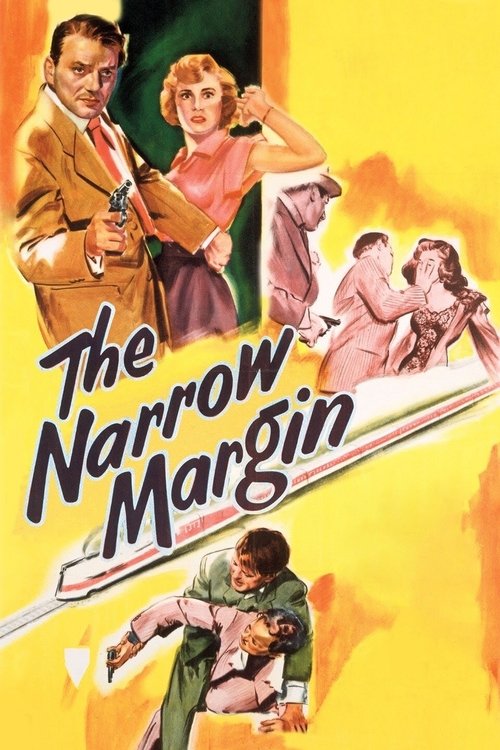
1952
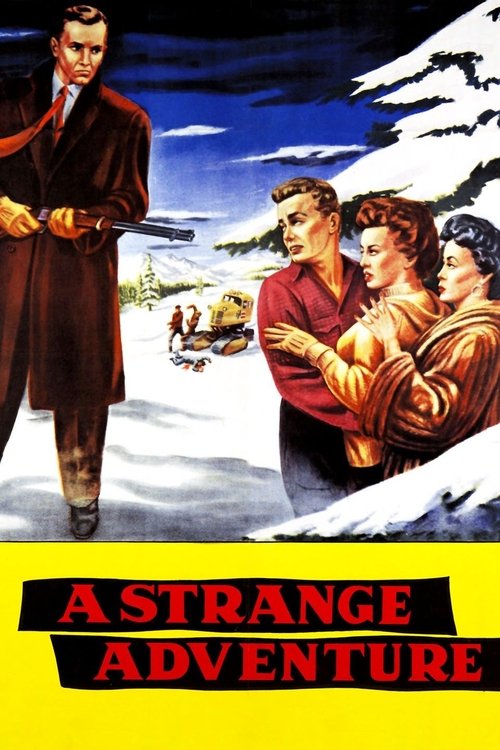
1956
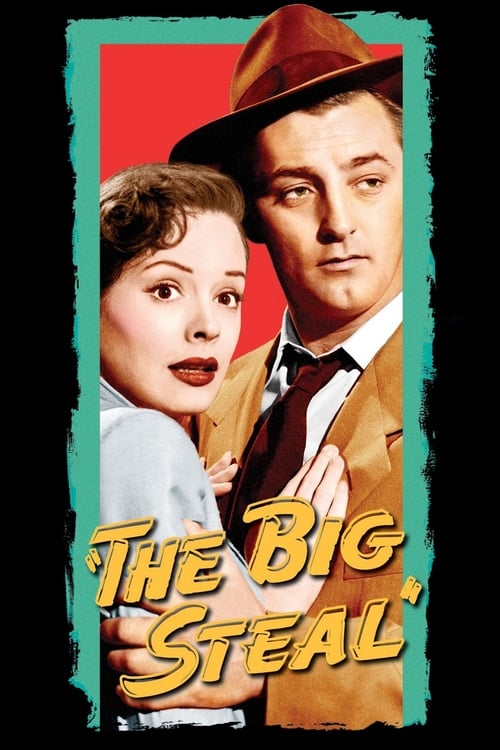
1949
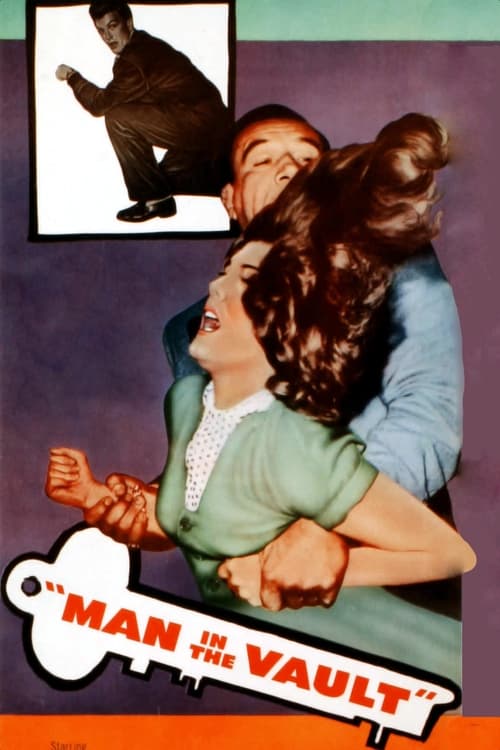
1956
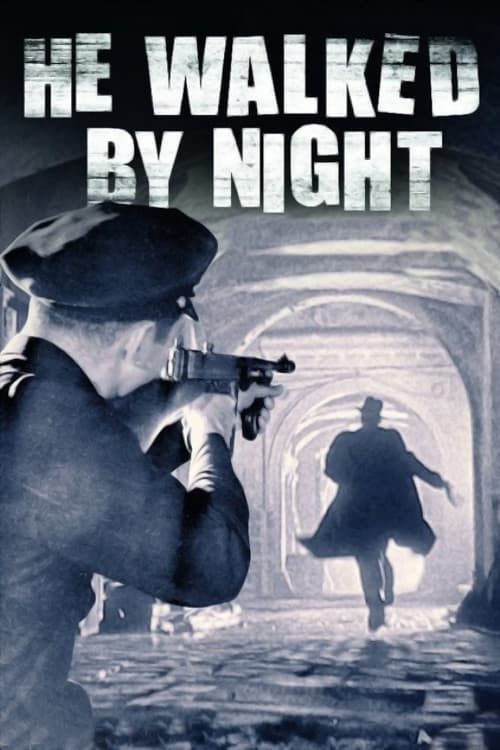
1949

1954
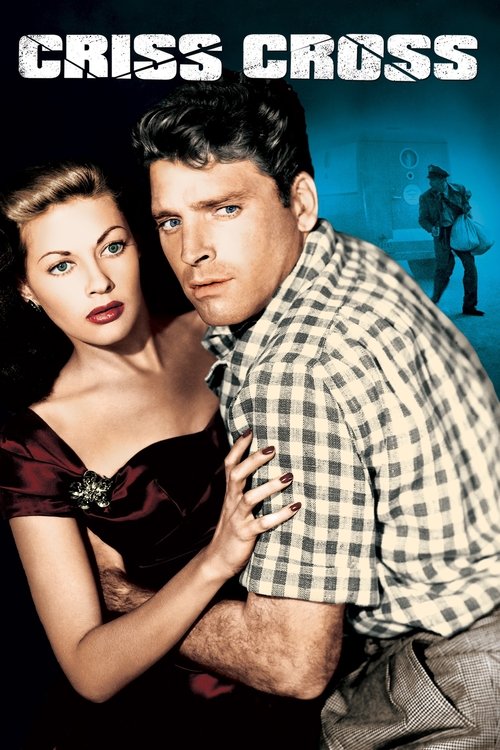
1949
No reviews yet. Be the first to share your thoughts on this movie!
Use the rating form above to leave a star rating and optional review.